
What Does Mold Smell Like? Detecting Hidden Mold by Odor
Mold often announces its presence through a distinctive musty smell before it becomes visible. Learning to recognize the smell of mold and understanding what it means for your home and health helps you take action before hidden infestations cause serious damage.
What Does Mold Smell Like?
Mold produces a distinctive musty, earthy odor that most people recognize instinctively as the smell of dampness, age, or decay. The smell is caused by microbial volatile organic compounds, or MVOCs, which are chemical byproducts released by mold colonies as they consume organic materials and reproduce. These compounds become airborne and travel throughout the home, often reaching your nose before any visible mold growth becomes apparent.
The specific character of the smell varies depending on the mold species, the material it is growing on, and the stage of growth. Common descriptions include a damp basement or cellar smell, a wet cardboard or old newspaper odor, an earthy scent similar to rotting leaves or compost, a stale attic or closet smell, and a sour or slightly sweet fermentation odor. Some people describe it as similar to the smell of dirty wet socks, old books, or a locker room. While individual descriptions vary, the unifying characteristic is a persistent dampness in the air that does not go away with normal ventilation or cleaning.
Why Mold Produces a Smell
Understanding why mold smells helps explain why odor detection is such a valuable tool for identifying hidden growth.
Microbial Volatile Organic Compounds
As mold colonies metabolize the organic materials they grow on, including wood, paper, fabric, and adhesives, they release MVOCs as waste products. These gaseous compounds include alcohols, aldehydes, ketones, and other chemicals that our olfactory system detects as musty or unpleasant. Different mold species produce different combinations of MVOCs, which is why the smell can vary between locations and infestations.
Continuous Emission
Unlike some odors that dissipate after a brief event, mold odor persists because living colonies continuously produce MVOCs as they feed and grow. The smell may fluctuate in intensity based on humidity levels, temperature changes, and airflow patterns, but it does not go away on its own as long as the mold remains active. A musty smell that comes and goes with weather changes or HVAC cycling is particularly indicative of hidden mold because the odor intensity changes as environmental conditions affect the mold's metabolic activity.
MVOCs Travel Through Building Materials
The gaseous nature of MVOCs means they pass through drywall, around door frames, through electrical outlets, and along any air pathway in the building structure. Mold growing inside a wall cavity, under flooring, or in an attic space can produce odors detectable in living areas even when the mold itself is completely hidden from view. This is why smell is often the first and most important warning sign of concealed mold growth.
Where Mold Odors Typically Originate
Certain areas of a home are more likely to harbor hidden mold growth that announces itself through odor before becoming visible.
Basements and Crawl Spaces
Below-grade spaces are the most common source of musty odors in residential properties. Groundwater pressure, condensation on cool foundation walls, and poor ventilation create chronically damp conditions that support mold growth on concrete, wood framing, and stored items. In Denver and across Colorado's Front Range, seasonal snowmelt increases moisture levels in basements and crawl spaces, intensifying musty odors during spring and early summer.
Bathrooms
Persistent humidity from showering, combined with limited ventilation in many bathrooms, creates conditions for mold growth behind shower walls, under vanities, around toilet bases, and on ceiling surfaces. Mold odors in bathrooms may be masked by cleaning products and air fresheners but tend to return quickly because the underlying growth continues.
Kitchens
Moisture from cooking, dishwashing, and plumbing connections creates mold opportunities behind and under appliances, inside cabinets, and around sink areas. Slow leaks under sinks are a particularly common cause of hidden kitchen mold that produces a noticeable odor when cabinet doors are opened.
Behind Walls
Plumbing leaks, condensation on cold-water pipes, and water intrusion from exterior sources can saturate drywall and insulation inside wall cavities. Mold growing in these concealed spaces produces MVOCs that seep into living areas through outlets, gaps around trim, and along baseboards. A musty smell that is strongest near a particular wall section often indicates hidden growth behind that wall.
HVAC Systems
Mold growing inside air handling units, ductwork, drip pans, and on evaporator coils distributes odors throughout the entire home whenever the system operates. If the musty smell intensifies when the heating or cooling system turns on, the HVAC system itself may be harboring mold growth.
Attics
Poor ventilation, roof leaks, and condensation from temperature differentials between heated living spaces and cold attic air create conditions for mold growth on roof sheathing, rafters, and attic insulation. Musty odors from attic mold often become most noticeable during warm weather when heat increases MVOC production and drives the odors downward into living spaces.
Health Implications of Mold Odor
The MVOCs responsible for mold odor are themselves a health concern, independent of the mold spores that accompany an active infestation.
Symptoms Associated with MVOC Exposure
Prolonged exposure to mold MVOCs can cause headaches, dizziness, nasal irritation, fatigue, and nausea. Some individuals report difficulty concentrating, eye irritation, and throat discomfort. These symptoms may be attributed to other causes and go unrecognized as mold-related until the source is identified and removed.
Allergic and Respiratory Reactions
Mold spores accompanying the odor trigger allergic responses in sensitized individuals, including sneezing, congestion, runny nose, itchy eyes, and asthma exacerbation. Children, elderly individuals, and people with compromised immune systems are most vulnerable. If household members experience respiratory symptoms that improve when they leave the home and worsen when they return, hidden mold should be investigated.
Long-Term Exposure Concerns
Extended exposure to mold and MVOCs has been associated with the development of new respiratory sensitivities, chronic sinusitis, and persistent respiratory symptoms. Addressing mold promptly when odor is first detected prevents the prolonged exposure that increases the risk of these longer-term health effects.
What to Do When You Smell Mold
Detecting a musty odor should prompt a systematic investigation rather than simply masking the smell with air fresheners or scented products. Air fresheners do nothing to address the mold growth causing the odor and may delay action while the infestation worsens.
Investigate Systematically
Start by identifying where the smell is strongest. Move through the house and note which rooms, walls, or areas produce the most intense odor. Open cabinets, closets, and access panels to check for visible growth or moisture. Look for water stains, discoloration, peeling paint, or condensation that might indicate the moisture source supporting the mold.
Check Moisture Levels
If you have access to a consumer moisture meter, check walls, floors, and ceilings in the area where the odor is strongest. Elevated moisture readings point toward the location of hidden water and likely mold growth. Pay particular attention to areas around plumbing fixtures, exterior walls, and any location with a history of water problems.
Schedule a Professional Mold Inspection
When you can smell mold but cannot see it, professional inspection is the most effective next step. Certified mold inspectors use professional-grade moisture meters, thermal imaging cameras, and calibrated air sampling equipment to locate hidden growth, measure spore concentrations, and identify the specific species present. This information guides the appropriate remediation approach and helps establish whether the infestation poses elevated health risks.
Do Not Attempt to Cover or Mask the Odor
Painting over mold, applying sealants, or using deodorizers to cover musty smells does not address the underlying problem. Mold continues to grow and produce MVOCs behind paint and sealants. The structural damage and health risks continue to increase while the odor may be temporarily reduced, giving a false sense of resolution.
Professional Remediation of Odor-Causing Mold
Once professional inspection identifies the source of mold odor, remediation follows established protocols to eliminate both the mold growth and the conditions supporting it.
Containment and Air Filtration
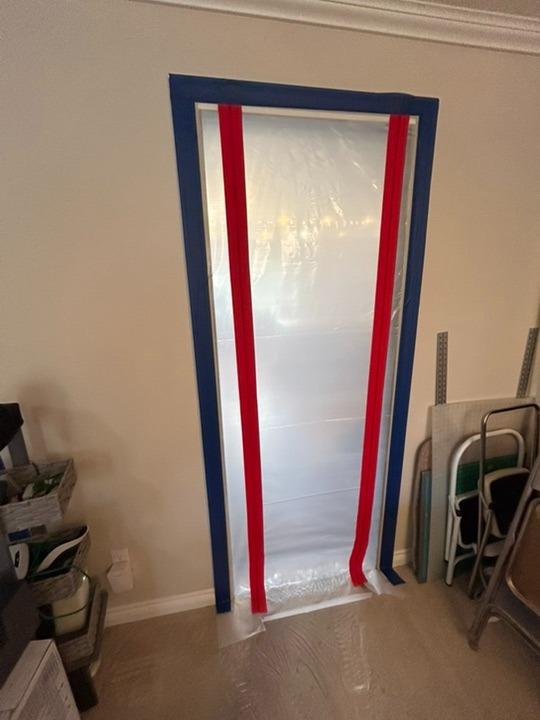
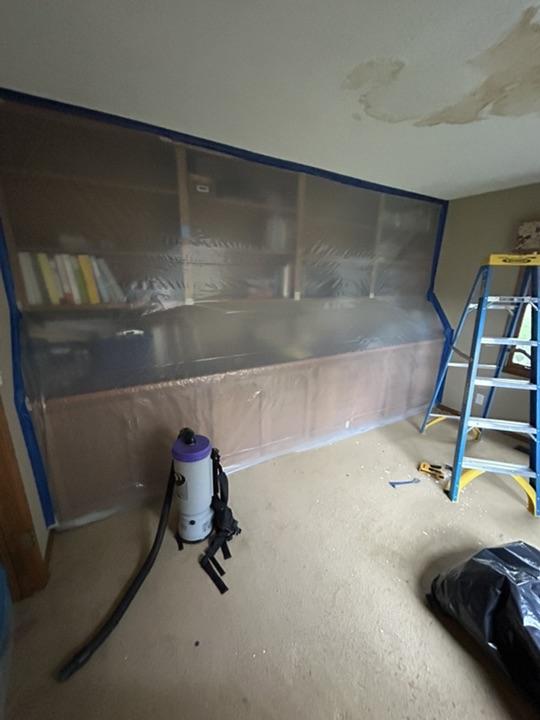
The affected area is isolated using plastic sheeting and negative air pressure to prevent spore migration to unaffected areas of the home during removal. HEPA-filtered air scrubbers continuously clean the air within the containment zone.
Material Removal
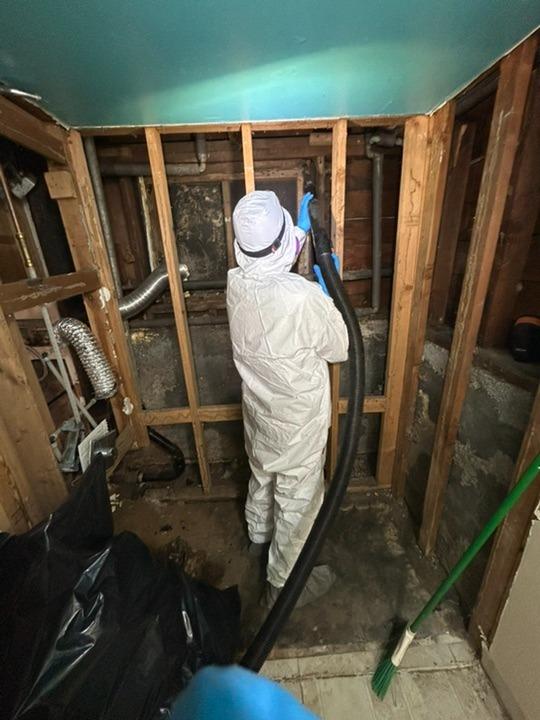
Contaminated porous materials including drywall, insulation, carpet, and other items that cannot be adequately cleaned are removed and disposed of following established waste handling procedures. Non-porous materials are cleaned with appropriate antimicrobial solutions.
Moisture Source Correction
Identifying and correcting the moisture source is essential to prevent recurrence. Whether the issue is a plumbing leak, inadequate ventilation, foundation moisture intrusion, or condensation, the source must be permanently resolved as part of the remediation.
Post-Remediation Verification
After remediation is complete, post-clearance air sampling confirms that spore levels have returned to acceptable concentrations. The musty odor should be completely eliminated once the mold and its moisture source are addressed. Any residual odor after remediation suggests incomplete removal or an additional mold source that requires investigation.
Need Professional Help?
Our team is available 24/7 for emergencies. Call now for immediate assistance.
Frequently Asked Questions
Yes. Mold frequently grows in concealed locations such as inside wall cavities, behind shower enclosures, under flooring, and in HVAC ductwork. The microbial volatile organic compounds mold produces are gaseous and pass through building materials, making the odor detectable in living spaces even when the mold itself is completely hidden from view.
A musty smell is typically caused by mold. The musty, damp, earthy odor that people associate with basements, old buildings, and enclosed spaces is produced by the microbial volatile organic compounds that mold releases as metabolic byproducts. A persistent musty smell in your home almost always indicates active mold growth somewhere in the structure.
Yes. The MVOCs that cause mold odor can trigger headaches, dizziness, nasal irritation, fatigue, and nausea. Additionally, mold spores accompanying the odor cause allergic reactions and respiratory symptoms in many people, including congestion, sneezing, coughing, and asthma exacerbation. Prolonged exposure increases the risk of developing chronic respiratory sensitivities.
Intermittent musty odors are common and typically correlate with changes in humidity, temperature, or HVAC operation. Higher humidity increases mold metabolic activity and MVOC production. Temperature changes can cause air pressure shifts that draw odors from concealed spaces into living areas. The smell intensifying when heating or cooling starts suggests mold in the HVAC system or ductwork.
Air purifiers with activated carbon filters can reduce MVOC concentrations and partially mask mold odors, but they do not address the source of the problem. The mold continues to grow and produce odors, and the health risks from spore exposure remain. Air purifiers are a temporary comfort measure, not a solution. The only effective remedy is locating and removing the mold growth and correcting the moisture source.