Mold Remediation Cost: Complete 2026 Pricing Guide
Mold remediation costs vary significantly based on the size of the affected area, the location of growth, and the type of mold present. This comprehensive pricing guide breaks down what to expect and how to budget for professional mold removal in 2026.
How Much Does Mold Remediation Cost in 2026?
Mold remediation costs in 2026 typically range from $1,500 for minor surface mold in a small area to $30,000 or more for extensive infestations affecting multiple rooms, HVAC systems, or structural components. The national average for a standard residential mold remediation project falls between $3,000 and $7,500, though costs in the Denver metro area and along the Front Range may run slightly higher due to the cost of living and specialized equipment needed for Colorado's climate conditions.
Understanding the factors that drive mold remediation pricing helps homeowners evaluate quotes accurately, budget appropriately, and avoid being overcharged or underserved by contractors who cut corners to offer artificially low prices.
Cost Ranges by Project Size
Small-Scale Remediation: $1,500 to $3,500
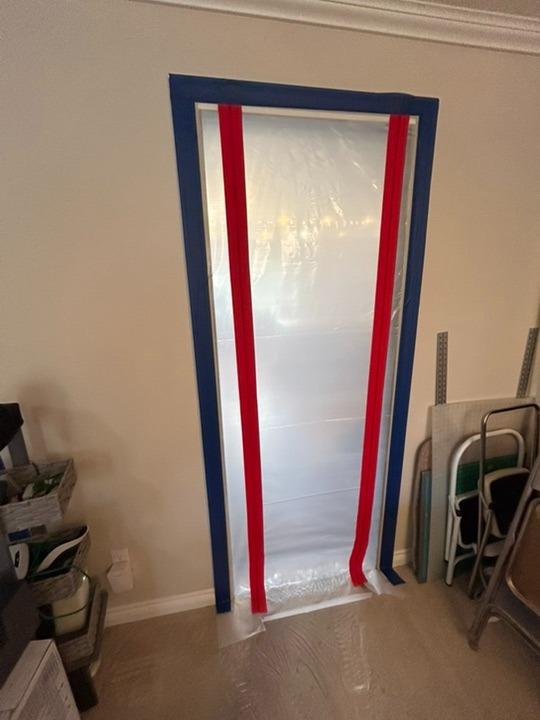
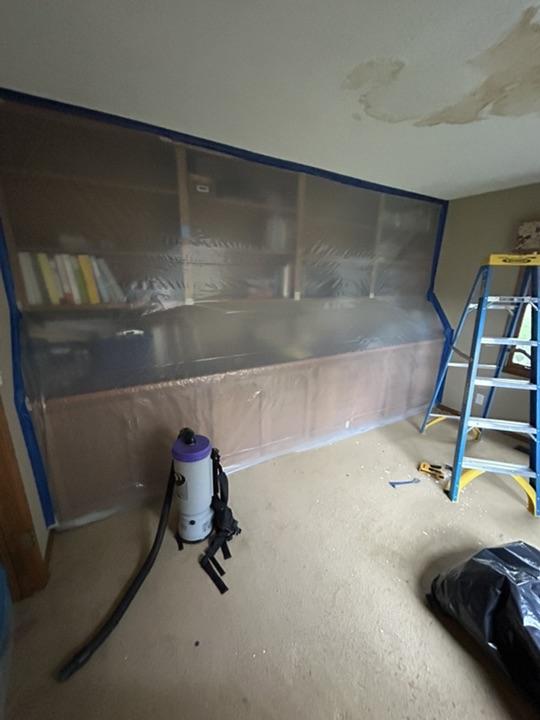
Small projects involving mold growth in a single area of less than 50 square feet typically fall in this range. Common examples include mold under a bathroom sink, around a leaking window frame, or in a small section of basement wall. These projects usually involve containment of the affected area, removal of contaminated materials like a section of drywall or a piece of carpet, antimicrobial treatment, and verification that the area is clear.
Medium-Scale Remediation: $3,500 to $10,000
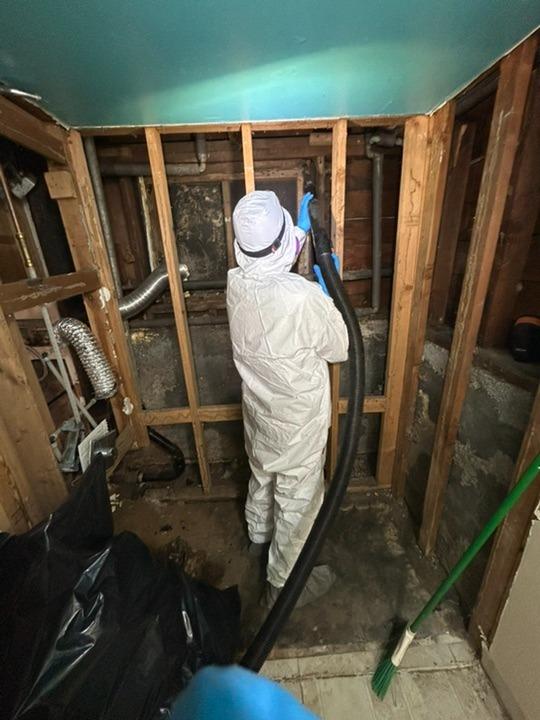
Medium projects cover mold growth spanning 50 to 200 square feet or mold in locations that require significant access work such as behind shower enclosures, inside wall cavities, or in crawl spaces. These projects require more extensive containment, larger quantities of material removal and replacement, and often include air scrubbing to maintain safe conditions in occupied areas of the home during the work.
Large-Scale Remediation: $10,000 to $30,000+
Large projects involve mold covering more than 200 square feet, mold in HVAC systems requiring duct cleaning or replacement, structural mold requiring the removal and reconstruction of framing or subflooring, or mold in multiple areas of the home simultaneously. These projects may require the homeowner to vacate the property during the work and involve substantial reconstruction after the remediation is complete.
Whole-House Remediation: $15,000 to $50,000+
In severe cases where mold has spread through a significant portion of the structure, often following prolonged undetected water damage or flooding, whole-house remediation and reconstruction can exceed $50,000. These projects essentially involve gutting affected areas to the framing, treating structural components, and rebuilding the interior.
Factors That Affect Mold Remediation Cost
Several variables influence the final cost of a mold remediation project. Understanding these factors helps homeowners evaluate quotes and anticipate potential cost adjustments.
Size and Extent of Contamination
The total area of mold contamination is the primary cost driver. Larger affected areas require more containment materials, more labor hours, larger quantities of antimicrobial treatments, and more replacement materials. Mold that has spread to multiple rooms or levels of the home requires separate containment zones and additional equipment.
Location and Accessibility
Mold in easily accessible locations like exposed basement walls costs less to remediate than mold in difficult-to-reach areas. Growth behind shower enclosures, inside wall cavities, in attic spaces, within crawl spaces, or inside HVAC ductwork requires additional demolition, access construction, and restoration work that adds to the total project cost.
Type of Contaminated Materials
The materials affected by mold growth influence costs significantly. Non-porous materials like tile, metal, and glass can often be cleaned and treated without removal. Porous materials including drywall, carpet, insulation, and fabric-covered furnishings typically must be removed and replaced. Structural wood members may be treatable through sanding and antimicrobial application if the damage is not too severe, but heavily contaminated framing may require sistering or replacement.
Mold Species and Toxicity
While all indoor mold requires remediation, the presence of toxigenic species like Stachybotrys chartarum may require additional safety precautions, more extensive containment, and enhanced personal protective equipment for workers. Pre-remediation testing to identify the species present typically adds $300 to $600 to the project cost but helps ensure the appropriate level of protection is applied.
Moisture Source Correction
Mold remediation without correcting the underlying moisture source is a temporary fix at best. The cost of moisture source correction varies enormously depending on whether the issue is a simple plumbing repair costing a few hundred dollars, a foundation waterproofing project costing several thousand, or a roof replacement costing tens of thousands. These costs are typically quoted separately from the remediation work but should be considered part of the total project budget.
Post-Remediation Verification Testing
Independent post-remediation testing, typically performed by a different company than the one performing the remediation, verifies that the work was effective and that air quality has returned to acceptable levels. This testing typically costs $300 to $800 and is strongly recommended for any remediation project.
Does Insurance Cover Mold Remediation?
Insurance coverage for mold remediation depends heavily on the cause of the mold growth and the specific terms of your homeowner's policy.
What Is Typically Covered
Most standard homeowner's policies cover mold remediation when the mold results from a covered peril that was addressed promptly. If a pipe bursts suddenly and you call for emergency water damage restoration within a reasonable timeframe but mold still develops, the remediation is generally covered as part of the water damage claim. Similarly, mold resulting from firefighting water or storm damage covered under your policy is usually included in the restoration claim.
What Is Typically Not Covered
Mold resulting from deferred maintenance, neglected repairs, gradual leaks that went unaddressed, or chronic humidity problems is generally excluded from coverage. Flood-related mold is only covered if you carry separate flood insurance. Many policies also impose mold coverage caps, commonly ranging from $5,000 to $25,000, which may not fully cover large remediation projects.
How to Maximize Your Coverage
Document any water damage events immediately with photos and video. Report incidents to your insurance company promptly. Engage professional water damage restoration services quickly to demonstrate that you took reasonable steps to prevent mold development. Keep records of regular home maintenance including plumbing inspections, HVAC servicing, and roof maintenance, as evidence of responsible property management supports your claim.
How to Evaluate Mold Remediation Quotes
Getting multiple quotes is standard practice, but the lowest price is not always the best value. Evaluating quotes requires looking beyond the bottom line to understand what is and is not included.
What a Quality Quote Should Include
A detailed mold remediation quote should specify the containment method and materials, the specific areas to be remediated with square footage, the removal and disposal plan for contaminated materials, antimicrobial treatment protocols, air filtration equipment to be used during the work, the scope of any reconstruction needed after remediation, and a timeline for completion.
Red Flags to Watch For
Be cautious of quotes that are dramatically lower than others, as they may reflect shortcuts in containment, incomplete removal, or the absence of post-remediation testing. Contractors who guarantee mold will never return are making promises they cannot keep, since mold recurrence depends on moisture control that extends beyond the remediation work. Companies that pressure you to sign immediately or claim the situation is an emergency requiring same-day commitment may be using fear-based sales tactics.
Certifications to Look For
Qualified mold remediation companies hold certifications from organizations like the IICRC for mold remediation, and their technicians carry individual credentials such as the AMRT designation. These certifications require ongoing education and adherence to established remediation standards. In Colorado, verify that the contractor carries appropriate liability insurance and workers' compensation coverage.
DIY vs. Professional Mold Remediation
Understanding when professional remediation is necessary versus when homeowner cleanup is appropriate helps allocate resources effectively.
When DIY Cleanup May Be Appropriate
Surface mold on non-porous materials covering less than about ten square feet can often be addressed by homeowners using proper protective equipment including an N95 respirator, gloves, and eye protection. Common examples include mold on bathroom tile grout, shower door tracks, or window sills. The key requirement is that the underlying moisture source has been identified and corrected.
When Professional Remediation Is Required
Professional remediation is necessary when mold covers more than ten square feet, is present on porous materials like drywall or carpet, is located in HVAC systems, is in concealed locations such as wall cavities, or when occupants are experiencing health symptoms potentially related to mold exposure. Professional companies have the containment equipment, air filtration systems, antimicrobial products, and training to handle these situations safely and effectively.
Budgeting Tips for Mold Remediation
Planning financially for mold remediation helps reduce stress during what is already a disruptive situation. Set aside contingency funds of 15 to 20 percent above the quoted price, as hidden damage behind walls or under flooring sometimes expands the scope once work begins. Ask about payment schedules and whether the company works directly with insurance adjusters to streamline the claims process. Consider the long-term cost savings of addressing the moisture source comprehensively during the remediation project rather than dealing with recurring mold problems and repeated remediation expenses.
Need Professional Help?
Our team is available 24/7 for emergencies. Call now for immediate assistance.
Frequently Asked Questions
Small bathroom mold remediation typically costs between $1,500 and $3,500 depending on the extent of growth, the materials affected, and whether mold has spread into wall cavities behind tile or shower enclosures. Simple surface mold on tile and grout is less expensive than mold that has penetrated drywall or subflooring.
Homeowners insurance typically covers mold remediation when the mold results from a sudden, covered event like a burst pipe, and the homeowner took prompt action to mitigate the water damage. Mold from gradual leaks, deferred maintenance, or flooding without separate flood insurance is generally excluded. Many policies also impose mold coverage caps between $5,000 and $25,000.
Quote variations usually reflect differences in scope, containment methods, testing protocols, and reconstruction inclusion. Lower quotes may omit post-remediation testing, use less effective containment, or exclude the cost of replacing removed materials. Always compare quotes line by line to understand what is included in each price.
The EPA recommends professional remediation for mold covering more than ten square feet or mold on porous materials like drywall. Small areas of surface mold on non-porous materials like tile can be cleaned by homeowners wearing proper protective equipment. Attempting DIY removal of large or concealed mold growth risks spreading spores and increasing health exposure.
Small remediation projects typically take 1 to 3 days. Medium projects involving multiple areas or concealed mold take 3 to 7 days. Large-scale projects with significant contamination and reconstruction needs can take 1 to 4 weeks. Post-remediation testing adds an additional day or two for sample collection and lab analysis.