What Does Black Mold Look Like? Identification Guide
Black mold can be difficult to identify without knowing what to look for. This comprehensive guide covers the appearance, texture, common locations, and health risks of black mold so you can take action before it spreads.
What Does Black Mold Look Like?
Black mold, scientifically known as Stachybotrys chartarum, is one of the most commonly discussed and misidentified types of indoor mold. Homeowners frequently encounter dark-colored mold growth and immediately assume the worst, but accurate identification requires understanding the specific visual characteristics that distinguish true black mold from other common mold species.
Stachybotrys chartarum typically appears as dark greenish-black patches with a distinctive slimy or wet texture when actively growing. Unlike many other molds that appear powdery or fuzzy, black mold colonies often look like they have a slightly glossy or gelatinous surface layer. When the moisture source dries out, the mold can appear dry, powdery, and sooty, which sometimes causes homeowners to confuse it with soot deposits or dirt accumulation.
The color can range from very dark green to deep black, and established colonies often look irregularly shaped with uneven borders that spread outward from a central growth point. Young colonies may appear as small dark spots or specks before expanding into larger patches that can cover several square feet of wall, ceiling, or flooring material.
Common Locations Where Black Mold Grows
Black mold requires consistent moisture and a cellulose-based food source to establish colonies. This combination of requirements narrows down the locations where you are most likely to encounter it in a residential setting.
Bathrooms and Kitchens
Bathrooms provide ideal conditions for black mold growth due to the combination of regular humidity from showers and baths, limited ventilation in many older homes, and abundant organic materials in drywall, grout, and caulking. Look behind toilets, under sinks, around shower enclosures, and on ceiling surfaces where steam condenses regularly.
Kitchens present similar risks around dishwashers, under sinks, behind refrigerators with water lines, and near any plumbing connections where slow leaks can saturate surrounding materials without being noticed.
Basements and Crawl Spaces
Below-grade spaces are particularly vulnerable because groundwater pressure can force moisture through foundation walls and floor slabs. In Denver and throughout the Front Range, seasonal snowmelt increases hydrostatic pressure against foundations, creating conditions that support mold colonization on basement walls, floor joists, and stored belongings.
Crawl spaces with exposed dirt floors and limited ventilation create persistently damp environments where black mold thrives on wood structural components, insulation, and vapor barriers.
Behind Walls and Under Flooring
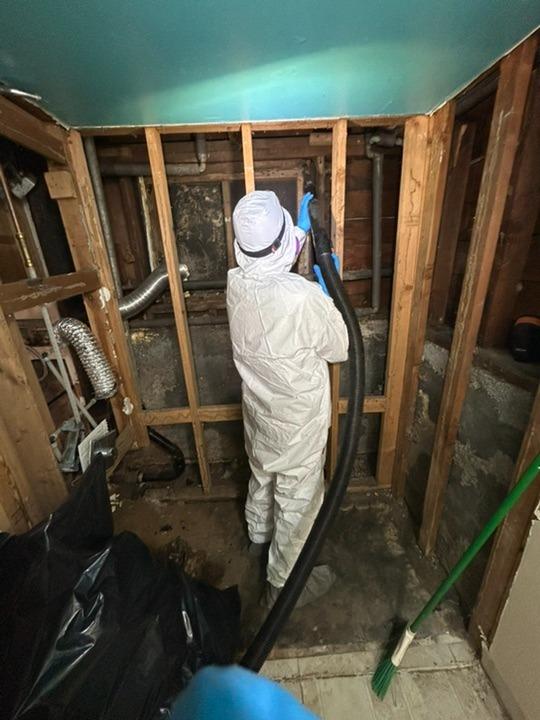
Some of the most severe black mold infestations occur in concealed locations where slow plumbing leaks, condensation from HVAC systems, or water intrusion from exterior sources saturate building materials over weeks or months. Drywall paper facing provides an excellent food source, and the dark, still-air environment inside wall cavities creates ideal growth conditions.
Water damage from roof leaks, ice dams, or burst pipes that was not properly dried can lead to extensive hidden mold growth that only becomes apparent when musty odors develop or occupants begin experiencing health symptoms.
HVAC Systems and Ductwork
Condensation inside air handling units, drip pans, and ductwork creates moisture that supports mold colonization. When mold establishes inside HVAC components, the system distributes spores throughout the entire building every time it operates, affecting air quality in every connected room.
How to Tell Black Mold Apart from Other Molds
Not every dark-colored mold is Stachybotrys chartarum. Several other common indoor mold species can appear dark or black, and distinguishing between them helps determine the appropriate response.
Aspergillus niger
This extremely common mold species often appears black but typically has a powdery or granular texture rather than the slimy appearance characteristic of Stachybotrys. Aspergillus niger grows on a wider variety of surfaces and does not require the same level of sustained moisture.
Cladosporium
Cladosporium species can range from olive green to brown to black and often grow on painted surfaces, fabrics, and wood. The colonies typically have a suede-like texture and may appear on both interior and exterior surfaces. Unlike Stachybotrys, Cladosporium tolerates cooler temperatures and drier conditions.
Alternaria
This mold frequently appears in damp areas around showers, bathtubs, and leaking windows. It typically has a velvety texture with dark green to brown coloring and grows in chain-like patterns visible under magnification.
Why Professional Testing Matters
Visual identification alone cannot confirm the specific species of mold growing in your home. Laboratory analysis of samples collected by trained professionals provides definitive identification. Professional mold inspectors use air sampling, surface swabs, and tape lifts to collect specimens that are then analyzed under microscopy and sometimes through DNA testing. If you suspect black mold, professional assessment provides the certainty needed to determine the appropriate remediation approach.
Health Risks Associated with Black Mold Exposure
Stachybotrys chartarum produces mycotoxins, specifically satratoxins and other trichothecene compounds, that distinguish it from many other common indoor molds in terms of potential health impact. Understanding these risks helps homeowners appreciate why proper identification and remediation matter.
Respiratory Symptoms
Prolonged exposure to black mold spores and mycotoxins can cause persistent coughing, wheezing, shortness of breath, nasal congestion, and throat irritation. Individuals with pre-existing asthma or chronic respiratory conditions may experience worsening symptoms and more frequent attacks when exposed to elevated mold spore levels.
Allergic Reactions
Mold spores are potent allergens that trigger immune responses in sensitized individuals. Symptoms include sneezing, runny nose, red and watery eyes, skin rashes, and sinus pressure. Allergic reactions can occur even with exposure to dead mold spores, which is why complete removal rather than simply killing the mold is necessary during remediation.
Who Is Most Vulnerable
Infants, elderly individuals, people with compromised immune systems, and those with chronic respiratory conditions face the greatest health risks from black mold exposure. If household members in these vulnerable groups are experiencing unexplained symptoms that improve when they leave the home and worsen when they return, hidden mold should be investigated as a potential cause.
What to Do If You Find Black Mold
Discovering what appears to be black mold in your home requires a measured response that prioritizes safety while addressing the problem effectively.
Small Areas of Surface Mold
Surface mold covering less than about ten square feet on non-porous materials like tile, glass, or metal can often be cleaned by homeowners using appropriate protective equipment including an N95 respirator, gloves, and eye protection. Commercial mold cleaners or a solution of detergent and water can remove surface growth, but the underlying moisture source must be identified and corrected to prevent recurrence.
Larger Infestations or Porous Materials
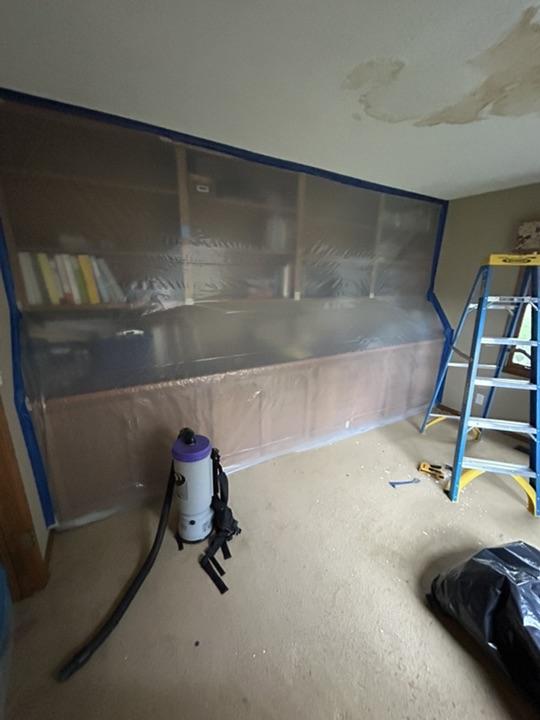
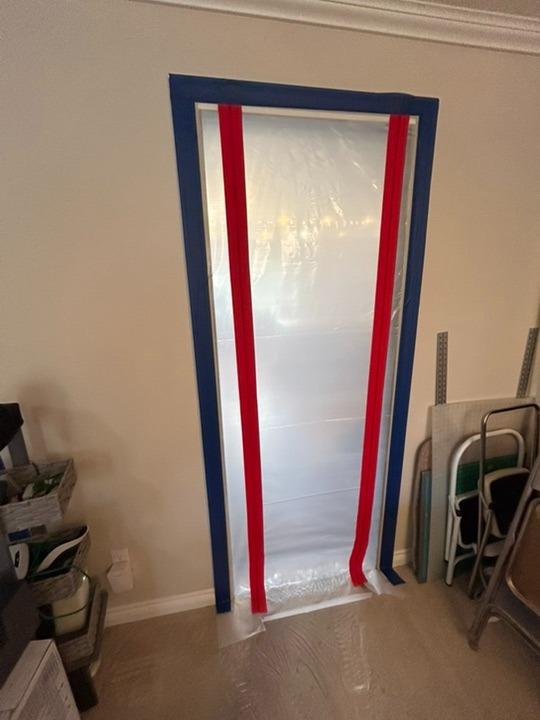
Mold growth exceeding ten square feet, mold on porous materials like drywall and carpet, or mold in concealed locations such as inside walls or HVAC systems requires professional remediation. Certified mold remediation companies follow established protocols including containment, HEPA filtration, proper removal and disposal of contaminated materials, and post-remediation verification testing.
Addressing the Moisture Source
Mold remediation without correcting the underlying moisture problem guarantees recurrence. Whether the moisture source is a plumbing leak, inadequate ventilation, foundation water intrusion, or roof damage, the source must be permanently resolved as part of any effective mold remediation project. In Colorado, where temperature swings create condensation challenges and snowmelt increases foundation moisture exposure, identifying and correcting moisture sources often requires professional assessment.
Prevention Strategies for Denver Homeowners
Preventing black mold growth is far less expensive and disruptive than remediation after colonies establish. Several proactive measures significantly reduce the risk of mold development in residential properties.
Maintain indoor relative humidity between 30 and 50 percent using dehumidifiers in basements and crawl spaces. Ensure bathrooms and kitchens have functioning exhaust fans that vent directly to the exterior. Inspect plumbing connections, water heater fittings, and appliance supply lines annually for signs of leaks. Address roof damage, damaged flashing, and gutter problems promptly to prevent water intrusion. Ensure proper grading around the foundation so surface water drains away from the structure. Install vapor barriers in crawl spaces and consider interior drainage systems for basements prone to moisture intrusion.
Regular inspection of high-risk areas catches developing moisture problems before mold has an opportunity to establish colonies. A few minutes of preventive attention each season can prevent thousands of dollars in remediation costs and protect your family's health.
Need Professional Help?
Our team is available 24/7 for emergencies. Call now for immediate assistance.
Frequently Asked Questions
Not all dark-colored mold is Stachybotrys chartarum, the species commonly referred to as toxic black mold. Several common indoor mold species including Aspergillus niger, Cladosporium, and Alternaria can appear black or very dark. However, all indoor mold growth indicates a moisture problem that should be addressed, and professional testing is the only way to confirm the species present.
Home mold testing kits are available but are generally considered unreliable by professionals. These kits often produce false positives because mold spores are naturally present in all indoor and outdoor air. Professional mold inspectors use calibrated air sampling equipment, surface collection methods, and accredited laboratory analysis to provide accurate identification and quantification of mold species.
Mold spores can begin germinating on damp organic materials within 24 to 48 hours. Visible colonies may develop within 3 to 12 days depending on temperature, humidity, and available food sources. Black mold specifically tends to grow more slowly than some other species but can establish extensive colonies over several weeks in consistently moist conditions.
Bleach can kill surface mold on non-porous materials like tile and glass, but it is not effective on porous materials such as drywall and wood. On porous surfaces, bleach kills mold on the surface while the water content penetrates deeper and can actually promote additional growth. Professional remediation uses specialized antimicrobial agents and physical removal of contaminated materials.
If you notice musty odors, unexplained health symptoms, water stains, or bubbling paint that suggests hidden moisture, contact a professional mold inspector. They use moisture meters and thermal imaging to detect concealed moisture without destructive testing. If mold is confirmed, certified remediation professionals can safely remove contaminated materials and restore the affected area.