Water Damage Restoration Cost: What to Expect in 2026
Water damage restoration costs vary widely based on the category of water, the area affected, and the extent of structural damage. This 2026 pricing guide breaks down what to expect at every level so you can budget accurately and navigate insurance effectively.
What Does Water Damage Restoration Cost in 2026?
Water damage restoration costs in 2026 range from approximately $1,200 for minor incidents affecting a small area to $25,000 or more for major flooding requiring extensive structural drying, material removal, and reconstruction. The national average for a standard residential water damage restoration project falls between $3,000 and $8,000, though costs along the Front Range and in the Denver metro area can vary based on local labor rates, equipment availability, and the specific challenges presented by Colorado's climate.
Several interconnected factors determine where a specific project falls within this range. Understanding these factors helps homeowners set realistic expectations, evaluate contractor quotes, and navigate insurance claims more effectively.
Cost Breakdown by Water Damage Category
The Institute of Inspection, Cleaning and Restoration Certification classifies water damage into three categories based on contamination level. This classification directly affects the cost of restoration because more contaminated water requires more aggressive safety measures, specialized equipment, and often more extensive material removal.
Category 1: Clean Water ($1,200 to $5,500)
Category 1 water originates from a sanitary source and poses no substantial risk from contact or ingestion. Common sources include broken water supply lines, faucet overflows, and water heater tank failures. Because the water is clean, affected materials often can be dried in place without removal, and sanitization requirements are minimal.
Typical costs for Category 1 restoration include water extraction ranging from $300 to $1,000 depending on volume, structural drying equipment and monitoring for $500 to $2,500, minor material replacement such as baseboards or small drywall sections for $200 to $1,000, and professional moisture verification for $200 to $500. Total project costs for Category 1 damage typically fall between $1,200 and $5,500 for a single room or contained area.
Category 2: Gray Water ($2,500 to $10,000)
Category 2 water contains significant contamination that could cause illness if ingested or contacted. Sources include washing machine discharge, dishwasher overflow, toilet overflow without fecal matter, and aquarium or waterbed leaks. Gray water restoration requires more aggressive extraction and sanitization, and some porous materials may need removal rather than drying in place.
Additional costs compared to Category 1 include antimicrobial treatment of affected surfaces, more extensive material removal and replacement, enhanced personal protective equipment for workers, and contamination testing before and after cleanup. Total costs for Category 2 projects typically range from $2,500 to $10,000.
Category 3: Black Water ($5,000 to $25,000+)
Category 3 water is grossly contaminated and contains or may contain pathogenic, toxigenic, or other harmful agents. Sources include sewage backups, toilet overflows with fecal matter, rising floodwater from rivers or storms, and water that has been standing for an extended period allowing bacterial growth. Black water restoration is the most expensive because all porous materials that contact the water must be removed and replaced.
Costs escalate significantly for Category 3 due to mandatory removal of all affected porous materials including drywall, insulation, carpet, pad, and sometimes subflooring. Professional-grade sanitization and disinfection of all retained materials is required. Specialized waste disposal procedures add to the total. Extensive reconstruction following material removal and post-remediation verification testing are additional line items. Total costs for Category 3 projects commonly range from $5,000 to $25,000 or more depending on the area affected.
Cost by Room Size and Location
The physical area affected by water damage significantly influences total restoration costs. Larger areas require more extraction effort, more drying equipment, and more materials for restoration.
Single Room (Up to 200 Square Feet): $1,200 to $5,000
A single-room water damage event such as a bathroom overflow, under-sink leak, or small appliance failure represents the most manageable scope. Costs stay lower because containment is straightforward, equipment needs are modest, and reconstruction is limited.
Multiple Rooms or Open Floor Plans (200 to 800 Square Feet): $4,000 to $12,000
When water travels across an open floor plan or affects multiple connected rooms, the scope expands substantially. More extraction and drying equipment is needed, more materials may require removal, and the drying timeline extends. Water that reaches multiple rooms often indicates a larger volume or longer duration of exposure, both of which increase damage severity.
Whole Floor or Multi-Level (800+ Square Feet): $8,000 to $25,000+
Major water events affecting an entire floor level or multiple stories represent the most complex and costly projects. These situations often involve structural concerns, HVAC contamination, and the need for temporary relocation during restoration. Projects at this scale frequently involve phased work with separate mitigation and reconstruction phases.
Basement-Specific Costs: $3,000 to $20,000
Basement flooding presents unique cost factors. Standing water in basements often requires pump extraction, foundation moisture management, and attention to structural elements like support columns and bearing walls. Denver-area basements face additional challenges from seasonal groundwater pressure and the region's expansive clay soils that can push moisture through foundation walls.
Key Cost Components
Understanding the individual line items that make up a water damage restoration estimate helps homeowners evaluate quotes and identify potential gaps in proposed scope.
Emergency Water Extraction: $300 to $2,500
The initial removal of standing water is typically the first billable service. Costs depend on the volume of water, the extraction method required, and whether after-hours emergency response applies. Truck-mounted extraction units handle large volumes more efficiently than portable equipment but carry higher operating costs.
Structural Drying and Monitoring: $1,000 to $5,000
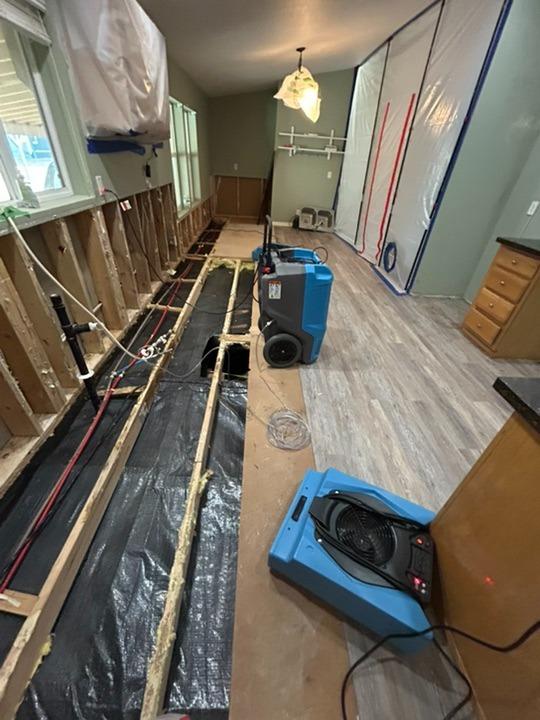
Industrial air movers and commercial dehumidifiers are deployed throughout the affected area and monitored daily until all materials reach target moisture levels. Costs depend on the number of equipment pieces needed, the duration of the drying period, and the frequency of monitoring visits. A typical single-room drying setup might include 4 to 6 air movers and 1 to 2 dehumidifiers running for 3 to 5 days.
Material Removal and Disposal: $500 to $5,000
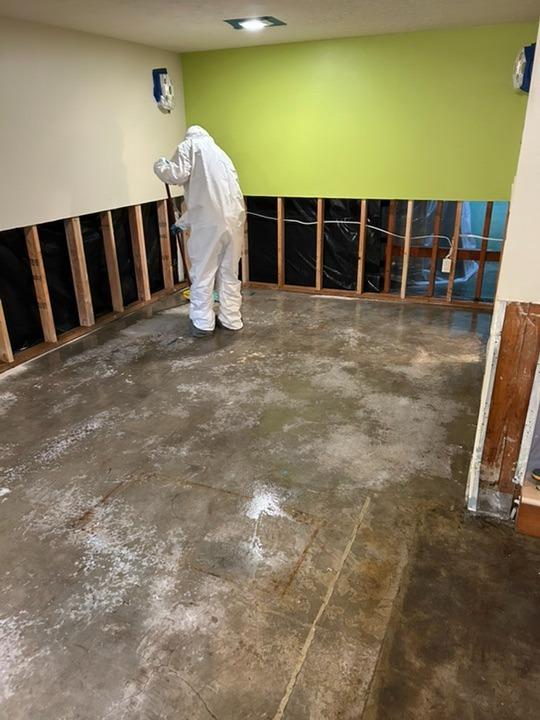
Removing and disposing of water-damaged materials that cannot be salvaged is a significant cost component, particularly for Category 2 and 3 water damage. Flood cuts in drywall, carpet and pad removal, insulation extraction, and baseboard removal are common line items. Disposal fees for contaminated materials may apply.
Antimicrobial Treatment and Sanitization: $300 to $2,000
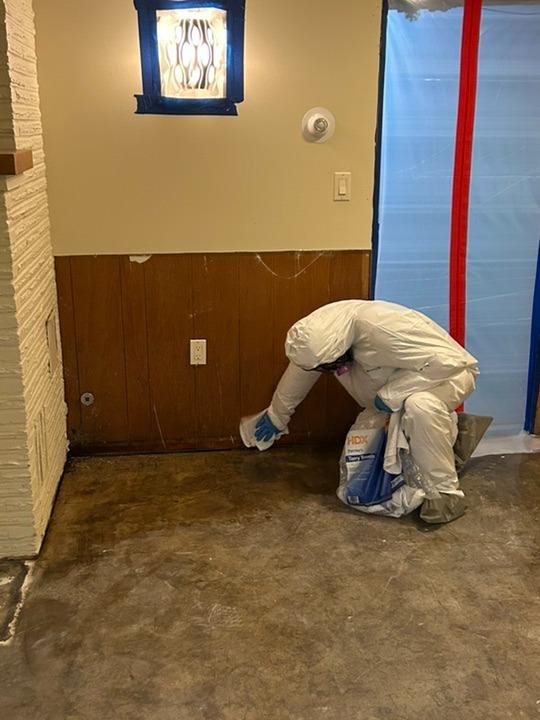
Treating affected surfaces with antimicrobial solutions prevents mold growth during the drying period and sanitizes areas exposed to contaminated water. The extent and type of treatment depends on the water category and the materials involved.
Reconstruction and Finishing: $1,000 to $15,000
Replacing removed materials including drywall, flooring, insulation, trim, and paint brings the space back to its pre-loss condition. Reconstruction costs vary enormously based on the quantity and quality of materials, the complexity of the work, and local labor rates. Matching existing finishes to maintain a consistent appearance throughout the home can add cost, particularly for discontinued flooring patterns or custom paint colors.
Does Insurance Cover Water Damage Restoration?
Insurance coverage for water damage depends on the cause, the speed of your response, and the specific terms of your policy.
What Is Typically Covered
Most homeowners insurance policies cover sudden, accidental water damage from events like burst pipes, appliance failures, and accidental overflows. The cost of emergency mitigation, structural drying, and restoration of damaged materials is generally covered, subject to your deductible.
What Is Typically Not Covered
Gradual leaks that developed over time and were not addressed are generally excluded from coverage. External flooding from storms, rivers, or groundwater requires separate flood insurance. Damage resulting from deferred maintenance, such as a corroded pipe that was visibly deteriorating, may be denied. Sewer backup coverage requires a specific policy endorsement in most states.
Maximizing Your Coverage
Document all damage immediately with photos and video before any cleanup begins. Contact your insurance company to report the loss within 24 hours. Engage professional restoration services promptly to demonstrate reasonable mitigation efforts. Keep all receipts for emergency expenses including temporary accommodations, meals, and any immediate purchases to prevent further damage. Work with a restoration company experienced in insurance documentation to ensure that all covered items are properly captured in the scope of work.
How to Evaluate Water Damage Restoration Quotes
Getting at least two to three quotes is advisable for non-emergency situations, but the urgency of water damage means you often need to act before collecting multiple bids. Understanding what a proper quote should contain helps you make a quick, informed decision.
What a Thorough Quote Includes
A detailed estimate should specify the water category and class of damage, a line-item breakdown of extraction, drying, material removal, antimicrobial treatment, and reconstruction, the number and type of drying equipment to be used, the estimated drying timeline, post-restoration verification procedures, and clear payment terms and insurance coordination details.
Comparing Quotes Effectively
Direct price comparison between restoration quotes requires examining the scope of work, not just the total dollar amount. A lower quote may omit antimicrobial treatment, post-drying verification, or reconstruction costs that are included in a higher quote. Missing scope items result in unexpected costs later or, worse, in inadequate restoration that leads to mold or structural problems.
Red Flags in Estimates
Be cautious of quotes that are significantly below others without a clear explanation of reduced scope. Watch for vague descriptions that do not specify equipment quantities, drying durations, or specific materials to be used. Avoid companies that demand full payment before work begins or that pressure you into immediate commitment without allowing time to review the estimate.
Reducing Water Damage Restoration Costs
While water damage restoration costs are largely driven by factors beyond homeowner control, several strategies can help minimize expenses. Act fast, since every hour of delay allows water to spread further and penetrate deeper into materials, increasing the scope and cost of restoration. Shut off the water source immediately to prevent additional water from entering the affected area. Remove portable valuables from wet areas to prevent additional losses. Cooperate with your insurance company by providing thorough documentation and meeting all reporting deadlines. Choose a restoration company with insurance experience to ensure complete and accurate claim documentation.
Need Professional Help?
Our team is available 24/7 for emergencies. Call now for immediate assistance.
Frequently Asked Questions
Basement water damage restoration typically costs between $3,000 and $20,000 depending on the volume of water, the contamination category, and the extent of damage to flooring, walls, and structural components. A small clean-water incident may cost $3,000 to $5,000, while a sewage backup affecting a finished basement can exceed $15,000.
Restoration typically involves two phases: mitigation and reconstruction. Mitigation includes water extraction, drying, and material removal. Reconstruction includes replacing drywall, flooring, trim, and paint. Some companies handle both phases, while others focus on mitigation only. Confirm with your contractor what is included in their estimate.
Category 3 black water from sewage or external flooding requires mandatory removal of all porous materials that contacted the water because they cannot be adequately decontaminated. This means more demolition, more material disposal, more sanitization, and more reconstruction compared to clean water incidents where materials can often be dried in place.
A typical residential water damage project takes 5 to 14 days total, including 3 to 5 days for drying and 2 to 7 days for reconstruction. Major projects involving extensive damage or Category 3 contamination can take 3 to 6 weeks. The timeline depends on the scope of damage, material availability, and insurance coordination.
Yes. Insurance policies require policyholders to take reasonable steps to prevent additional damage. Document everything with photos and video before and during cleanup, but do not delay water extraction and drying while waiting for an adjuster. Professional restoration companies document the damage thoroughly as part of their standard process, which supports your insurance claim.