Signs of Water Damage in Walls: How to Detect Hidden Leaks
Water damage inside walls often goes undetected until it causes significant structural deterioration or mold growth. Learning to recognize the early warning signs of hidden water damage helps you catch leaks before they become costly emergencies.
Why Water Damage in Walls Is Often Hidden
Water damage inside walls is one of the most insidious forms of property damage because it develops out of sight, behind finished surfaces that conceal the deterioration happening within. Plumbing leaks, condensation, exterior water intrusion, and ice dam seepage can all introduce moisture into wall cavities where it saturates insulation, degrades framing, and feeds mold growth for weeks or months before any outward sign appears.
By the time visible symptoms emerge on the wall surface, the damage behind it is typically more extensive than what you can see. Early detection of the warning signs saves thousands of dollars in repair costs and prevents the health hazards associated with mold growth in concealed spaces. Understanding what to look for, and where, gives homeowners the ability to catch problems at a manageable stage.
Visual Signs of Water Damage in Walls
Several visible indicators on wall surfaces signal that moisture is present inside the wall cavity. Recognizing these signs and investigating promptly prevents the damage from progressing.
Water Stains and Discoloration
Water stains are among the most recognizable signs of moisture behind walls. They typically appear as yellowish-brown patches with irregular edges on painted drywall surfaces. The stain's shape often traces the path water takes as it travels along framing members, insulation, and drywall paper before reaching the visible surface.
Fresh stains may appear darker and feel damp to the touch, while older stains that have dried may be lighter in color with more defined edges. Stains that change size, darken after rain, or expand over time indicate an active, ongoing leak rather than a historical water event that has been resolved. Pay particular attention to stains that appear below windows, at ceiling-to-wall junctions, and near plumbing fixture locations.
Bubbling, Peeling, or Flaking Paint
Moisture behind drywall disrupts the bond between paint and the wall surface, causing paint to bubble, peel, crack, or flake. Small paint bubbles often contain water or are surrounded by soft, damp drywall beneath the paint film. This symptom is particularly revealing because it indicates active moisture at or near the surface, meaning the wall cavity behind it is likely significantly wetter.
Paint deterioration from moisture differs from normal aging in its pattern and location. Moisture-driven paint failure typically occurs in concentrated areas rather than uniformly across a wall, and it often appears near the bottom of walls where wicking raises moisture from the floor level, or around fixtures where plumbing leaks introduce water.
Warping and Swelling
Drywall that absorbs water swells, warps, and loses its flat surface. The wall may appear to bow outward, feel soft or spongy when pressed, or show visible bulging. Baseboards and trim that pull away from the wall or cup forward indicate moisture is reaching the lower wall area and saturating materials from behind.
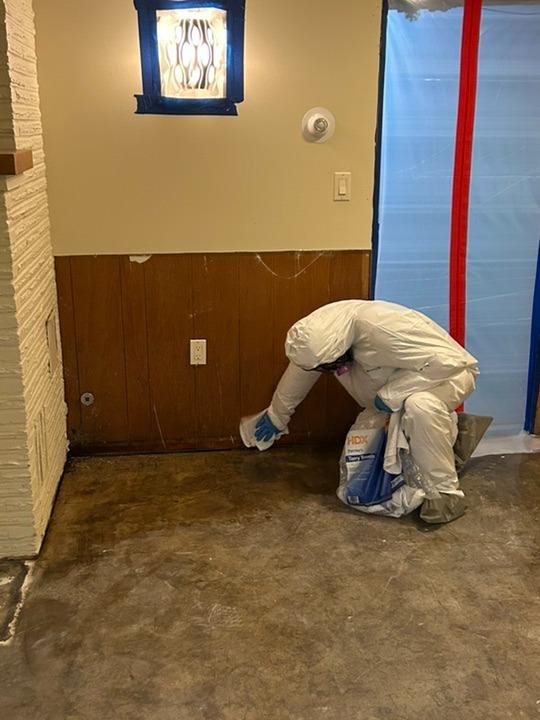
Wood paneling, wainscoting, and other wall coverings can also warp when moisture accumulates behind them. Warping indicates sustained moisture exposure rather than a brief splash, and the structural materials behind the visible surface are likely compromised.
Efflorescence on Basement Walls
Efflorescence appears as a white, chalky, or crystalline deposit on concrete, brick, or masonry surfaces. It forms when water migrates through the wall, dissolving mineral salts in the concrete or morite, and deposits those minerals on the surface as the water evaporates. While efflorescence itself is not damaging, it is a reliable indicator of ongoing moisture migration through the wall.
In Denver and throughout the Front Range, basement walls are particularly susceptible to efflorescence during spring snowmelt when groundwater pressure forces moisture through foundation walls. The presence of efflorescence on a regular basis suggests that waterproofing measures may be needed to prevent more serious water damage and mold growth within the wall assembly.
Non-Visual Signs of Water Damage
Some of the most important indicators of hidden water damage are detected through senses other than sight.
Musty or Earthy Odors
A persistent musty smell near a wall or in a specific room is one of the strongest indicators of hidden mold growth behind the wall surface. Mold produces microbial volatile organic compounds that pass through drywall and reach your nose even when the growth is entirely concealed. The odor may intensify with changes in humidity or temperature and is often strongest near the source.
If you notice a musty smell that you cannot trace to a visible source, and the smell persists despite cleaning and ventilation, the most likely explanation is mold growing inside a wall cavity, under flooring, or in another concealed space fed by hidden moisture.
Sounds of Running or Dripping Water
Hearing water sounds inside a wall when no fixtures are running indicates a plumbing leak within the wall cavity. The sound may be a steady drip, a hissing from a pressurized supply line leak, or a gurgling from a drain line issue. These sounds are often most noticeable at night when ambient noise levels are lower.
Any unexplained water sound warrants immediate investigation because pressurized supply line leaks can release significant volumes of water in a short period, while drain line leaks introduce contaminated water into the wall cavity.
Unexplained Increases in Water Bills
A sudden or gradual increase in water usage that does not correspond to changes in household activity or occupancy often indicates a hidden leak. Even small supply line leaks running continuously can waste thousands of gallons per month. Compare current bills to the same period in previous years and investigate any significant unexplained increase.
Warm or Cold Spots on Walls
In some cases, hidden water leaks create temperature variations detectable by touch. A hot water supply line leak can produce a warm spot on the wall surface. Cold water leaks, condensation, or exterior water intrusion can create cool spots. These temperature variations are subtle but can help narrow down the location of a hidden leak for further investigation.
Where to Check for Hidden Water Damage
Certain locations in a home are statistically more likely to develop hidden water damage. Focusing your inspections on these areas improves your chances of catching problems early.
Around Plumbing Fixtures
Walls behind and adjacent to toilets, sinks, showers, and bathtubs are common locations for hidden leaks. Supply line connections, drain fittings, and valve stems can all develop slow leaks that introduce water into the wall cavity over time. Inspect the walls on both sides of plumbing fixtures, including walls in adjacent rooms or closets that share the plumbing wall.
Below Windows
Window frames, sills, and the wall area below windows are vulnerable to water intrusion from failed caulking, deteriorated flashing, or condensation. The wall section below a window often shows water damage signs before other areas because water naturally flows downward from the entry point and concentrates at the base of the wall.
Along Exterior Walls
Walls that form the building exterior are exposed to rain, snow, and ice that can penetrate through siding failures, flashing defects, and gaps around penetrations. Exterior wall damage is common in Colorado where freeze-thaw cycles can open gaps in siding joints and around windows that admit moisture during subsequent rain or snowmelt events.
At Ceiling-to-Wall Junctions
Water from roof leaks, ice dams, and upper-floor plumbing often appears first at the junction where the ceiling meets the wall. Stains, paint damage, or soft spots in this area suggest water traveling down from above, potentially through the entire height of the wall cavity.
Near Appliances with Water Connections
Walls behind washing machines, dishwashers, refrigerators with ice makers, and water heaters are high-risk locations for hidden leaks. Supply hoses, drain connections, and appliance fittings can develop slow leaks that saturate the adjacent wall over time.
What to Do When You Find Signs of Water Damage
Discovering signs of water damage in your walls requires a measured response that addresses both the immediate moisture problem and its underlying cause.
Investigate the Moisture Source
Before repairing visible damage, identify and correct the source of moisture. Repainting a water-stained wall without fixing the leak behind it guarantees the stain will return and the hidden damage will continue to worsen. Common sources include plumbing leaks that require a plumber, exterior water intrusion that requires siding or flashing repair, condensation that requires ventilation improvement, and roof leaks that require roofing repair.
Assess the Extent of Damage
A professional moisture assessment using meters and thermal imaging reveals the full extent of water penetration behind the wall surface. This information determines whether the wall can be dried in place or whether drywall, insulation, and other materials need to be removed and replaced. Surface inspection alone significantly underestimates the scope of hidden damage.
Address Mold Concerns
Any wall that has been wet for more than 48 hours should be evaluated for mold growth. If the wall cavity has been moist for weeks or months, the probability of mold behind the drywall is very high. Professional mold testing can confirm the presence and type of mold without requiring large-scale demolition, and guides the appropriate remediation approach.
Professional Restoration vs. DIY Repair
Minor water stains from a brief, resolved moisture event on otherwise sound drywall can sometimes be addressed with stain-blocking primer and paint. However, any situation involving soft or damaged drywall, suspected mold, ongoing moisture, or structural concerns requires professional assessment and restoration. Attempting to patch over significant water damage without addressing the underlying issues creates a cosmetic fix that masks continuing deterioration.
Prevention Strategies
Preventing water damage inside walls is far less expensive than repairing it. Several proactive measures significantly reduce the risk.
Regular Plumbing Inspections
Annual inspection of supply lines, shut-off valves, and drain connections catches developing problems before they become active leaks. Pay special attention to flexible supply hoses which have a limited lifespan and should be replaced every five to seven years.
Maintain Building Envelope Integrity
Keep exterior caulking, siding, flashing, and roofing in good repair to prevent water intrusion through the building envelope. Inspect these components annually and after significant weather events. In Colorado, the combination of intense UV radiation and freeze-thaw cycling accelerates the deterioration of exterior sealants and requires more frequent maintenance than milder climates.
Control Indoor Humidity
Maintain indoor relative humidity between 30 and 50 percent. Use exhaust fans in bathrooms and kitchens during and after moisture-producing activities. Run dehumidifiers in basements and other below-grade spaces. Adequate ventilation prevents condensation on cold surfaces inside wall cavities, particularly during winter when the temperature differential between heated indoor air and cold exterior walls is greatest.
Install Water Detection Sensors
Place water leak detection sensors near water heaters, washing machines, under sinks, and near other plumbing connections. Modern smart sensors connect to your phone and alert you immediately when water is detected, enabling a rapid response that limits damage even when you are away from home. These inexpensive devices provide an early warning system that can prevent thousands of dollars in damage.
Need Professional Help?
Our team is available 24/7 for emergencies. Call now for immediate assistance.
Frequently Asked Questions
Common signs include water stains or discoloration on the wall surface, bubbling or peeling paint, soft or spongy drywall when pressed, warping or swelling of the wall surface, musty odors near the wall, and baseboards pulling away from the wall. Any combination of these signs warrants professional investigation using moisture meters and thermal imaging.
Yes. Moisture inside wall cavities creates ideal conditions for mold growth. The dark, enclosed space with organic food sources like drywall paper and wood framing, combined with the moisture from a leak, supports mold colonization within 24 to 48 hours. Mold growing inside walls often goes undetected until odors develop or health symptoms appear.
Costs vary based on severity and extent. Minor damage requiring drywall patching and repainting might cost $300 to $1,000. Moderate damage requiring drywall replacement, insulation replacement, and mold treatment ranges from $2,000 to $7,000. Extensive damage involving structural repairs and multiple wall sections can exceed $10,000.
Before cutting into walls, have a professional conduct a non-invasive moisture assessment using meters and thermal imaging. These tools can identify wet areas without destructive testing, helping target any necessary openings to the most productive locations. Indiscriminate wall openings can create dust and debris issues and may not reveal the actual source of moisture.
Fresh water damage typically shows darker, damp stains that may feel wet to the touch. Old, resolved damage usually appears as lighter, dried stains with well-defined edges. However, the most reliable assessment uses a moisture meter to check whether the wall materials are currently wet. Dry readings suggest a historical event, while elevated moisture indicates an active or recent leak.