Sewage Cleanup Near Me: What to Do When Sewage Backs Up
A sewage backup is one of the most hazardous emergencies a homeowner can face. This guide covers the immediate steps you should take, the health risks involved, what professional cleanup looks like, expected costs, and how insurance applies to sewage damage.
Sewage Cleanup Near Me: Understanding the Emergency
A sewage backup in your home is more than an unpleasant inconvenience. It is a serious health emergency that demands immediate professional attention. Raw sewage contains bacteria, viruses, parasites, and other pathogens that pose direct risks to everyone in the household, including pets. Whether the backup originates from a blocked sewer lateral, a municipal main line failure, or a septic system overflow, the response protocol is the same: protect yourself, stop the source if possible, and get qualified help on site as fast as you can.
Denver homeowners face particular sewage backup risks during spring and early summer when snowmelt raises the water table and saturates aging municipal sewer lines. Combined sewer systems in older Denver neighborhoods can become overwhelmed during heavy rain events, forcing sewage back through floor drains, toilets, and shower drains into finished basements. Knowing what to do before this happens can save thousands of dollars in damage and protect your family from serious illness.
Immediate Steps When Sewage Backs Up
The first few minutes after discovering a sewage backup are critical. What you do and, just as importantly, what you avoid doing will determine how much damage your property sustains and how effectively the situation can be remediated.
Stop Using Water Immediately
Turn off all faucets, dishwashers, washing machines, and any other appliances that drain into the sewer system. Every gallon of water sent down a drain while the line is blocked adds to the volume of sewage flooding into your home. If you have a main water shutoff valve and the backup is severe, consider shutting off the water supply entirely until a plumber can assess the blockage.
Protect Yourself Before Entering the Area
Never walk through standing sewage water without proper protection. At minimum, wear rubber boots that extend above the water line, heavy-duty rubber gloves, and eye protection. If the backup is extensive or has been standing for more than a few hours, the air quality in the affected area may be compromised by hydrogen sulfide and methane gases. These gases can cause dizziness, nausea, and in extreme concentrations, loss of consciousness. If you smell strong sewer gas, ventilate the area by opening windows from outside the room if possible, and do not enter until air quality has been assessed.
Turn Off Electrical Power to Affected Areas
If sewage water has reached any electrical outlets, appliances, or the electrical panel itself, do not enter the area. Call your utility company or an electrician to disconnect power to affected circuits. Water and electricity create a lethal combination, and sewage water is an excellent conductor due to its high dissolved solid content.
Document Everything for Insurance
Before any cleanup begins, take extensive photos and videos of the affected areas. Document the water line height on walls, damaged belongings, the apparent source of the backup, and any structural damage you can observe safely. This documentation is essential for your insurance claim and should be captured from as many angles as possible. Time-stamp everything and keep a written log of when the backup was discovered and every action taken afterward.
Call a Professional Sewage Cleanup Company
Sewage backup cleanup is not a do-it-yourself project. The biological hazards involved require professional-grade equipment, EPA-registered disinfectants, and training in Category 3 water damage protocols established by the IICRC. When searching for sewage cleanup near you in the Denver metro area, look for companies that are IICRC-certified, available 24/7 for emergencies, and experienced specifically with sewage and black water remediation.
Health Hazards of Sewage Exposure
Understanding the health risks associated with sewage exposure explains why professional cleanup is not optional. Raw sewage is classified as Category 3 or "black water" by the Institute of Inspection, Cleaning and Restoration Certification, which is the highest contamination category in the water damage restoration industry.
Bacterial Infections
Sewage contains concentrations of E. coli, Salmonella, Shigella, and other harmful bacteria that cause gastrointestinal illness, skin infections, and in severe cases, systemic infections that require hospitalization. Children, elderly family members, and anyone with a compromised immune system face elevated risks from even brief exposure.
Viral Contamination
Hepatitis A, norovirus, rotavirus, and other viral pathogens survive in sewage for extended periods. These viruses can be transmitted through direct contact with contaminated surfaces, ingestion of even microscopic amounts of contaminated water, or in some cases, through airborne droplets created during cleanup activities.
Parasitic Organisms
Giardia, Cryptosporidium, and various helminth parasites present in sewage can cause persistent gastrointestinal illness that lasts for weeks. These organisms produce resistant cysts that survive standard cleaning and require specific disinfection protocols to eliminate from contaminated surfaces and materials.
Mold Growth
Beyond the immediate biological hazards, any materials saturated with sewage water that are not dried within 24 to 48 hours will begin supporting mold growth. The organic matter in sewage actually accelerates mold colonization compared to clean water damage. In Denver's semi-arid climate, homeowners sometimes underestimate mold risk because outdoor humidity is low, but a sewage-saturated basement creates a microenvironment with near-100-percent humidity regardless of outdoor conditions.
The Professional Sewage Cleanup Process
When a qualified restoration company like NuBilt Restoration and Construction responds to a sewage backup, the process follows a structured protocol designed to protect occupants, eliminate contamination, and restore the property to a safe, livable condition.
Initial Assessment and Safety Setup
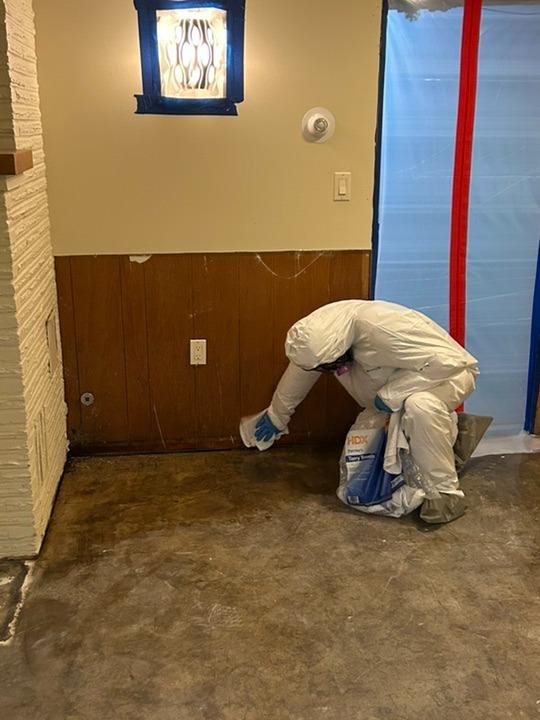
The crew establishes containment around the affected area using plastic sheeting and negative air pressure to prevent cross-contamination of unaffected parts of the home. Air scrubbers with HEPA filtration are positioned to capture airborne pathogens and particulates. The team assesses the extent of contamination, identifies the source of the backup, and develops a scope of work that addresses every affected surface and material.
Water Extraction
Standing sewage water is removed using truck-mounted extraction equipment that pumps contaminated water directly into holding tanks for proper disposal. Portable extraction units reach areas that truck-mounted hoses cannot access. Every effort is made to remove standing water as quickly as possible to limit the duration of material saturation and reduce the volume of contaminated material that must be removed.
Removal of Contaminated Materials
Porous materials that have absorbed sewage water cannot be adequately decontaminated and must be removed. This typically includes carpet, carpet padding, drywall up to at least 12 inches above the visible water line, insulation, particleboard, and any upholstered furniture or soft goods that came into contact with the sewage. Hard, non-porous surfaces such as concrete, metal, and sealed tile can usually be cleaned and disinfected in place.
Cleaning and Disinfection
All remaining surfaces are cleaned with commercial-grade antimicrobial solutions and then treated with EPA-registered disinfectants that are effective against the full range of pathogens found in sewage. This process typically involves multiple applications with appropriate dwell times to ensure complete pathogen elimination. HEPA vacuuming removes residual particulates from all surfaces.
Structural Drying
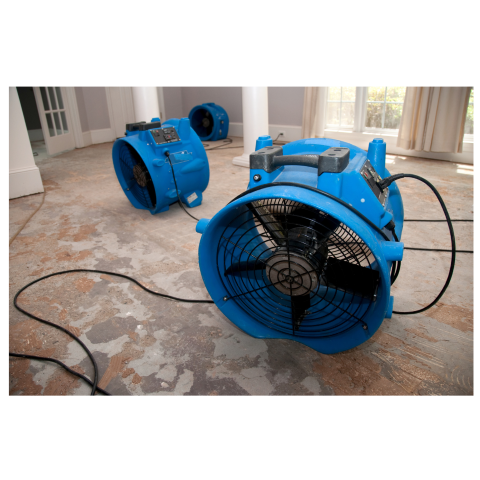
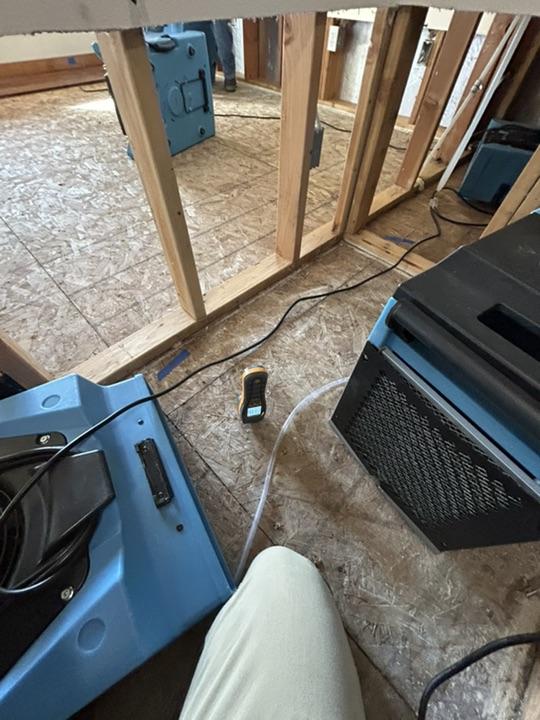
Industrial dehumidifiers and high-velocity air movers are positioned throughout the affected area to dry structural components to their pre-loss moisture content. Moisture meters and thermal imaging cameras monitor drying progress daily, and equipment is adjusted as conditions change. In Denver, where baseline indoor humidity tends to be low, structural drying can sometimes proceed faster than in more humid climates, but sewage-saturated materials still require several days of controlled drying.
Final Verification and Clearance
Before reconstruction begins, the restoration team conducts final moisture readings, visual inspections, and in some cases, post-remediation air quality testing to verify that the property has been returned to safe conditions. This verification documentation becomes part of the project file and can be shared with your insurance adjuster.
How Much Does Sewage Cleanup Cost?
Sewage cleanup costs vary significantly based on the extent of the backup, the amount of affected area, the materials involved, and how quickly the response begins. Understanding the cost factors helps you evaluate estimates and set realistic expectations.
Typical Cost Ranges
A minor sewage backup affecting a small area of a concrete-floor basement with no finished materials might cost between $2,000 and $5,000 for professional cleanup. A moderate backup affecting a finished basement with carpet, drywall, and furnishings typically ranges from $5,000 to $15,000. Severe backups that affect multiple rooms or levels of a home, or situations where the contamination went undetected for an extended period, can exceed $20,000 to $30,000 when including both remediation and reconstruction.
Factors That Affect Cost
The volume of sewage and the square footage of affected area are the primary cost drivers. The type of materials that need to be removed and replaced significantly impacts total cost, as a finished basement with custom cabinetry and hardwood flooring will cost substantially more to restore than an unfinished utility space. The speed of response also matters because prompt action reduces the scope of required demolition and remediation. Every hour of delay increases material saturation, contamination spread, and the likelihood of secondary mold growth.
Insurance Coverage for Sewage Backups
Standard homeowners insurance policies in Colorado typically do not cover sewage backups unless you have purchased a specific sewer and drain backup endorsement. This is one of the most commonly overlooked gaps in homeowner coverage, and many Denver homeowners discover the gap only after a backup occurs.
Sewer Backup Endorsements
Most insurance carriers offer sewer backup coverage as an optional endorsement for an additional annual premium, usually between $40 and $100 per year. Coverage limits on these endorsements typically range from $5,000 to $25,000, though higher limits may be available. Given the cost of professional sewage cleanup and restoration, a $5,000 limit may prove inadequate for anything beyond a minor incident.
Filing Your Claim
Contact your insurance agent as soon as possible after a sewage backup. Provide the documentation you gathered during the initial response, including photos, videos, and your written timeline. Your insurer will likely send an adjuster to inspect the damage and may require estimates from approved restoration contractors. Working with a restoration company that has experience navigating insurance claims can streamline this process and help ensure that all covered damage is properly documented in the claim.
What Insurance Typically Does Not Cover
Even with a sewer backup endorsement, certain costs may not be covered. Most policies exclude coverage for the repair of the sewer line itself, for damage to landscaping, and for loss of use during restoration. Items stored in basements may have limited coverage under personal property provisions, and high-value items may require separate scheduled coverage. Review your policy with your agent before a loss occurs so you understand your coverage limits and can make informed decisions about additional protection.
Preventing Future Sewage Backups
After dealing with the immediate crisis, taking steps to prevent future backups protects your investment in cleanup and restoration.
Backwater Valve Installation
A backwater valve, also called a backflow prevention valve, installs in your sewer lateral and allows sewage to flow out of your home but prevents it from flowing back in during a main line backup. Denver building code now requires backwater valves in certain new construction situations, and retrofit installation typically costs between $1,500 and $3,000. This is one of the most effective preventive measures available.
Regular Sewer Line Maintenance
Have your sewer lateral inspected with a camera every two to three years, and more frequently if you have mature trees near the line. Root intrusion is one of the leading causes of sewer line blockages in older Denver neighborhoods where clay pipe was used. Preventive root treatment and periodic hydro-jetting keep lines clear and reduce backup risk.
Sump Pump and Battery Backup
If your home has a sump pump, ensure it is functioning properly and install a battery backup system that keeps the pump running during power outages. Many sewage backups occur during storms when power failures disable sump pumps at the exact moment when water infiltration is highest.
Need Professional Help?
Our team is available 24/7 for emergencies. Call now for immediate assistance.
Frequently Asked Questions
Standard homeowners insurance policies in Colorado typically do not cover sewage backups. You need a separate sewer and drain backup endorsement, which usually costs $40 to $100 per year and provides $5,000 to $25,000 in coverage. Contact your insurance agent to verify whether you have this endorsement on your current policy.
Professional sewage cleanup typically takes 3 to 7 days for the remediation phase, depending on the extent of contamination and the amount of material that must be removed. This includes water extraction, demolition of contaminated materials, disinfection, and structural drying. Reconstruction of removed materials such as drywall, flooring, and cabinetry adds additional time and is usually handled as a separate phase.
Sewage backup cleanup is strongly discouraged as a DIY project. Raw sewage is classified as Category 3 black water and contains dangerous bacteria, viruses, and parasites that require professional-grade disinfection protocols to eliminate safely. Improper cleanup can leave behind hidden contamination that causes ongoing health problems and mold growth. Professional restoration companies have the equipment, training, and EPA-registered products needed to restore the space safely.
Common causes include blockages in your private sewer lateral from tree root intrusion, grease buildup, or foreign objects. Municipal main line backups during heavy rain or snowmelt can also force sewage into homes, especially in older Denver neighborhoods with combined sewer systems. Other causes include collapsed or deteriorated sewer pipes, septic system failures, and sump pump malfunctions during storms.