What Are the First Steps to Take After Water Damage in Denver?
Water intrusion demands swift, strategic action to prevent mold growth and structural deterioration. Learn exactly what Denver homeowners should do immediately after discovering water damage to protect their property and minimize restoration costs.
What Should Denver Homeowners Do Immediately After Water Damage?
Water intrusion demands swift, strategic action to prevent mold growth and structural deterioration. Whether the source is a burst pipe, a sudden storm, or an appliance malfunction, the first steps you take after discovering water damage can determine the difference between a manageable repair and a catastrophic loss. For Denver homeowners, understanding the correct sequence of emergency actions is essential to protecting your property, your health, and your finances.
Professionals specializing in water damage restoration emphasize one principle above all else: stop the water source first. Locating shut-off valves and halting the flow from burst pipes or malfunctioning appliances is the single most impactful action you can take. For external flooding, seal entryways with sandbags or plastic sheeting to slow the advance of water into your home.
Prioritize Safety Before Assessing Damage
Before entering any flooded area of your Denver home, safety must come first. Verify that electrical systems are de-energized before stepping into standing water. Water and electricity create life-threatening hazards, and even a small amount of water near outlets or wiring can be dangerous. Wear protective gear including rubber boots and waterproof gloves when wading into affected areas.
Once safety is confirmed, begin documenting the damage immediately. Take time-stamped photographs and videos of all affected areas, damaged belongings, and the apparent water source. This early documentation is invaluable for insurance claims and helps guide restoration professionals when they arrive on scene. Note the water level, which rooms are affected, and any visible structural damage.
How Immediate Actions Limit Property Loss
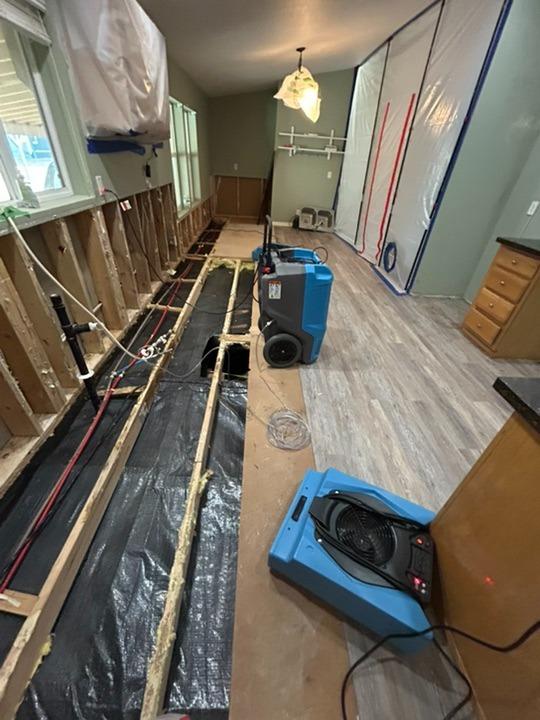
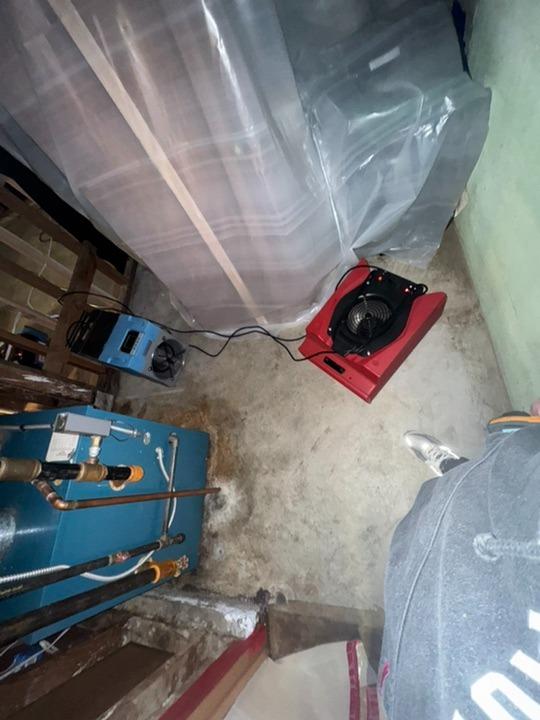
Within the first 24 to 48 hours after water intrusion, standing water extraction prevents porous materials from reaching deep saturation levels where mold colonization begins. Industrial-grade dehumidifiers and air movers accelerate moisture removal from structural cavities that household fans simply cannot reach. The faster standing water is removed, the less damage penetrates into subflooring, wall cavities, and insulation.
Contaminated floodwater requires thorough disinfection using EPA-approved solutions to eliminate health hazards and persistent odors. Category 2 gray water from appliances and Category 3 black water from sewage or external flooding demand professional-grade sanitization that goes beyond surface cleaning. Every hour of delay allows contaminants to penetrate deeper into building materials.
What to Do with a Burst Pipe in Denver Homes
Burst pipes are among the most common water damage emergencies in Denver, particularly during winter when temperatures plummet below freezing. Shutting off the main water supply halts flooding within minutes and prevents additional gallons from compounding the damage. Locate your main shut-off valve before an emergency occurs so you can act without hesitation.
After water extraction begins, pulling back baseboards and drilling weep holes allows hidden moisture to escape through wall cavities. This technique accelerates drying and prevents concealed moisture pockets that lead to mold growth weeks after the initial incident. Licensed plumbers should evaluate pipe damage, perform targeted repairs, and implement freeze-thaw protection strategies suited to Denver's volatile climate.
Open cabinet doors beneath sinks to allow warm air circulation around pipes during cold snaps. Insulate exposed pipes in basements, crawl spaces, and exterior walls with foam sleeves or heat tape. These preventive measures are especially critical for Denver homes built before modern insulation standards were adopted.
When to Contact Professional Emergency Water Mitigation
Not every water damage situation requires professional intervention, but several scenarios demand certified mitigation firms immediately. Standing water exceeding a few inches, any sewage contamination, or extensive carpet and padding saturation require industrial-grade equipment and trained technicians. Specialists deploy high-capacity extractors, commercial air movers, and large-scale dehumidifiers that far exceed consumer equipment capabilities.
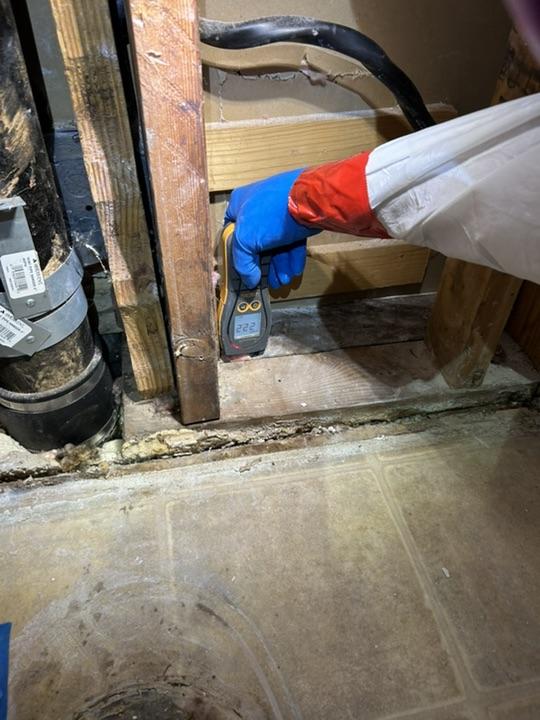
Infrared cameras and professional moisture meters reveal hidden saturated zones inside walls and subfloors that guide focused drying efforts. Without this technology, homeowners risk leaving moisture behind that fuels mold growth and structural decay. In Denver's semi-arid climate, surface drying can mask deeper moisture problems that only thermal imaging can detect.
If water damage affects multiple rooms, reaches electrical panels, or involves contaminated water sources, evacuate the affected area and contact restoration professionals immediately. Many Denver restoration companies offer 24/7 emergency response because water damage does not respect business hours or weekends.
Preventing Long-Term Issues After Water Damage Restoration
Post-restoration inspections verify that moisture levels remain below 60 percent relative humidity throughout the affected areas. Even after visible water is removed and surfaces appear dry, hidden moisture in wall cavities, under flooring, and within insulation can persist for weeks. Regular monitoring with professional-grade hygrometers ensures complete drying.
Preventive upgrades following restoration reduce future risk significantly. Smart leak detectors placed near water heaters, washing machines, and under sinks provide instant alerts through smartphone notifications. Improved sump pumps with battery backup protect basements during power outages. Regular HVAC maintenance prevents condensation line backups that can flood utility closets and surrounding areas.
Antimicrobial coatings applied to restored surfaces inhibit microbial growth for months, creating an additional defense layer against mold and bacteria. These treatments are particularly valuable in Denver basements and crawl spaces where humidity levels fluctuate with seasonal changes.
Comparing Restoration Equipment for Denver Climates
Denver's unique climate demands specific equipment configurations for effective water damage restoration. High-volume water pumps handle the heavy demands of spring runoff and summer storm flooding. Commercial dehumidifiers calibrated for Denver's lower external humidity outperform standard units designed for coastal environments. Industrial air movers prevent the rapid mold onset that occurs when moisture lingers in enclosed spaces.
Thermal imaging cameras locate hidden leaks behind walls and ceilings without requiring demolition. Antimicrobial solutions formulated for Denver's conditions prevent mold growth in humid basements while remaining safe for occupied spaces. The combination of proper equipment and local climate expertise determines whether restoration succeeds completely or leaves hidden problems.
Signs of Hidden Water Damage Denver Residents Should Not Ignore
Several warning signs indicate concealed moisture problems that demand immediate attention. Peeling interior wall paint often signals moisture migrating through drywall from behind. Warped baseboards pulling away from walls suggest prolonged moisture contact at floor level. Musty odors that persist despite cleaning indicate active mold growth in hidden locations.
Basement efflorescence, the white mineral deposits that appear on concrete surfaces, reveals a history of moisture migration through foundation walls. Elevated indoor humidity causing condensation on windows and metal fixtures requires immediate assessment to prevent mold colonization. Any of these signs following a water event warrant professional moisture testing.
Understanding Insurance Considerations and the Restoration Timeline
Most homeowner insurance policies cover sudden, accidental water damage such as burst pipes but exclude flood events from ground water or river overflow. Denver residents living near waterways or in flood-prone areas benefit from separate NFIP flood insurance for comprehensive protection. Prompt claim filing with detailed documentation, including incident reports, repair estimates, and time-stamped photographs, streamlines the approval process.
Restoration professionals who coordinate directly with insurance adjusters reduce delays and ensure that scope-of-work documentation meets insurer requirements. This coordination prevents the back-and-forth disputes that extend restoration timelines and increase out-of-pocket costs for homeowners.
The Role of Mold Prevention in Post-Water Damage Protocols
Mold spores germinate within 24 to 48 hours when moisture persists on organic materials. Professional restoration teams employ thorough drying, antimicrobial treatments, and HEPA-filtered air scrubbers to eliminate the conditions mold needs to establish colonies. Negative-pressure containment prevents spore migration during restoration, protecting unaffected areas of the home.
EPA-registered mold inhibitors applied during the restoration process ensure that Denver homes achieve safe, healthy environments even after significant water events. Post-restoration air quality testing confirms that spore counts have returned to normal levels before the home is reoccupied.
Typical Restoration Timeline for Denver Incidents
Understanding the general timeline helps Denver homeowners plan accordingly. Emergency response and initial assessment typically occur within 2 to 6 hours of the call. Structural drying using industrial equipment runs 24 to 72 hours depending on the severity of saturation. Cleaning and sanitation requires an additional 24 to 48 hours.
Reconstruction preparation takes 1 to 2 days, followed by the actual reconstruction and finishing phase lasting 3 to 7 days for moderate damage. A final inspection and project closure typically completes within a single day. The total timeline for a moderate water damage event in a Denver home ranges from approximately one to three weeks.
Why Local Expertise Matters in Denver Water Damage Scenarios
Denver's semi-arid climate and freeze-thaw cycles demand an understanding of local construction vulnerabilities that national chains often lack. Regional firms possess familiarity with stucco exteriors, slab foundations, and the unique moisture behaviors at 800 feet elevation. These insights guide tailored mitigation plans that account for how Denver's environment affects drying rates, material responses, and long-term stability.
Established relationships with local authorities and building supply companies ensure rapid permit access and material availability during emergencies. When every hour counts, a restoration team that knows Denver's building codes, common construction methods, and climate patterns delivers faster, more effective results.
If you are facing water damage in your Denver home, do not wait. Contact NuBilt at (303) 368-4688 for immediate emergency response and expert restoration services.
Need Professional Help?
Our team is available 24/7 for emergencies. Call now for immediate assistance.
Frequently Asked Questions
Ensure electrical safety by shutting off breakers, then extract standing water with a pump. Open windows and deploy fans and dehumidifiers to begin drying. Document damage comprehensively and contact a licensed mitigation specialist for professional restoration.
Mold spores can germinate within 24 to 48 hours if moisture remains on organic materials. Prompt water extraction, drying, and antimicrobial treatments prevent microbial colonization before materials are compromised.
Minor, contained incidents like small sink overflows may be manageable with consumer equipment. However, contamination risks, structural saturation, or affected areas exceeding 10 square feet require professional intervention to ensure safety and prevent long-term issues.
Most policies cover sudden, accidental burst pipes but exclude flooding from natural events or gradual leaks. Policyholders should review their specific terms carefully and consider separate flood insurance for comprehensive protection.
Regular plumbing inspections, annual HVAC condensation-line cleaning, gutter clearing before spring thaw, and pipe insulation on exterior walls reduce leakage risk and may lower insurance premiums.