How Long Does Water Damage Restoration Take for a Typical Denver Home?
When water damage occurs in a Denver home, understanding the restoration timeline helps homeowners plan effectively. This guide breaks down each stage of the process and explains how Denver's unique climate influences drying times and overall project duration.
Why Restoration Timelines Matter
When water damage occurs in your Denver home, time becomes your most critical resource. Every hour that moisture lingers, the damage worsens. Within minutes, water begins seeping into floors and walls. After several hours, it can reach structural layers and electrical systems. Within days, mold begins to grow and structural integrity starts to decline.
Understanding the stages of water damage restoration helps homeowners appreciate why professional intervention is crucial and why delays carry compounding costs. Quick action not only saves money but also prevents secondary issues like structural failure, warped flooring, persistent odors, and hazardous mold growth. For Denver residents, the city's elevation and dramatic temperature swings complicate drying science and make precise, monitored restoration vital.
What Factors Influence How Long Water Damage Restoration Takes?
Every water damage situation is unique, but several key factors consistently determine the overall restoration timeline. Understanding these variables helps you set realistic expectations and make informed decisions during the recovery process.
Extent of the Damage
The scope of water intrusion directly determines restoration duration. A small leak affecting part of a single wall may take two to three days to dry completely. A flooded basement with saturated carpeting, drywall, and stored belongings can take one to two weeks or longer. Greater saturation means more moisture to extract and more materials requiring monitoring during the drying process.
Type of Water Involved
Water damage is categorized into three classes based on contamination level. Category 1 clean water from broken supply lines or rainwater is the simplest to address, requiring straightforward extraction and drying. Category 2 gray water from dishwashers, washing machines, or aquarium leaks requires additional cleaning and sanitation. Category 3 black water from sewage backups or external floodwater demands full disinfection, contaminated material removal, and extended drying with specialized antimicrobial treatments.
Type of Materials Affected
Porous materials like drywall, carpet, insulation, and natural wood flooring hold water significantly longer than hard surfaces. Tile, concrete, and engineered surfaces dry faster and are easier to salvage. Wooden flooring may warp permanently if not dried using properly controlled techniques, and the specific wood species affects the required drying approach.
How Quickly You Act
The sooner restoration begins after water intrusion, the shorter the overall timeline. Delays allow water to penetrate deeper into structural materials, extending both the drying phase and the reconstruction needs. Homeowners who contact restoration professionals within the first few hours typically experience significantly shorter project durations.
Denver's Climate Impact
Denver's semi-arid climate at 800 feet elevation speeds surface evaporation but increases risks of structural cracking and material shrinkage if drying is too aggressive. Professionals must carefully balance humidity levels to ensure proper drying without causing secondary damage to wood, drywall, and finishes.
Typical Water Damage Restoration Timeline
For a moderately affected Denver home, the restoration process follows a predictable sequence. Emergency response including stopping water flow, assessment, and safety checks takes 1 to 3 hours. Water extraction using pumps and industrial vacuums requires 1 to 2 days. Drying and dehumidification using air movers and commercial dehumidifiers runs 3 to 7 days. Cleaning and sanitizing for mold prevention and surface disinfection takes 1 to 2 days. Repairs and reconstruction including drywall replacement, flooring, and painting range from 2 to 14 days depending on severity.
These durations vary significantly based on damage severity, material types, seasonal weather conditions, and how quickly the initial response occurred. Denver's dry air often accelerates surface drying but can mask subsurface moisture that requires continued monitoring.
Stage 1: Emergency Response and Inspection
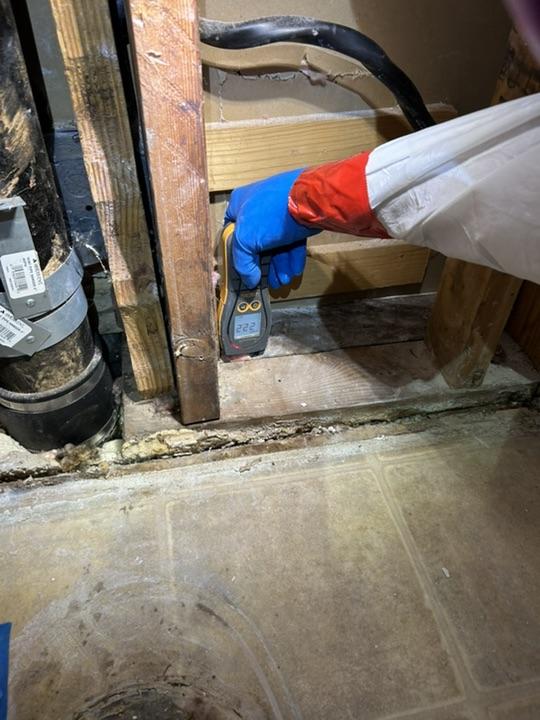
The first stage begins immediately after homeowners discover water intrusion. Professional restoration teams will shut off the water source and electricity if necessary, assess safety hazards and identify contamination levels, inspect walls, flooring, and ceilings for structural integrity, and use moisture meters and infrared cameras to map the full extent of water spread.
Acting quickly at this stage significantly reduces the total restoration timeline. Every hour of delay allows water to travel farther through wall cavities, beneath flooring, and into insulation, increasing the scope of demolition and drying needed.
Stage 2: Water Extraction
Once the water source is contained, standing water must be removed as quickly as possible. Specialists use high-powered submersible pumps and industrial extraction vacuums to pull out as much water as possible. This stage is critical for reducing the overall recovery timeline.
The longer water remains on surfaces, the deeper it seeps into subfloors and wall cavities. For Denver homes with basements, this step can take longer, especially during spring snowmelt season or after summer thunderstorms when water tables rise and drainage systems are overwhelmed.
Stage 3: Drying and Dehumidification
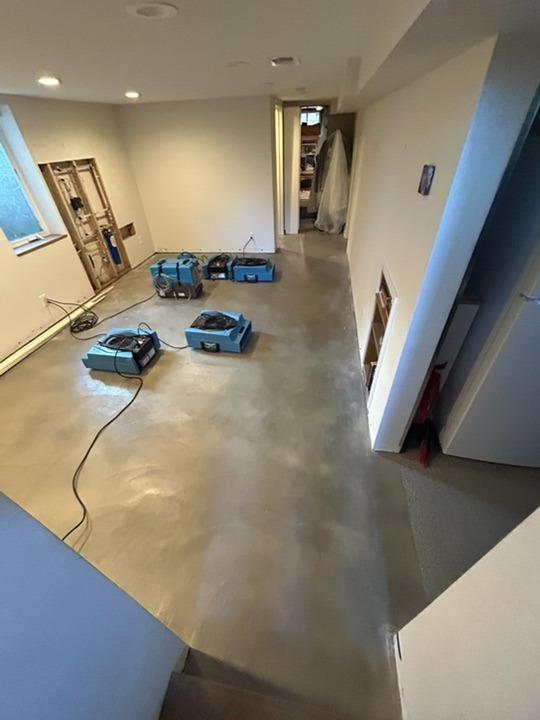
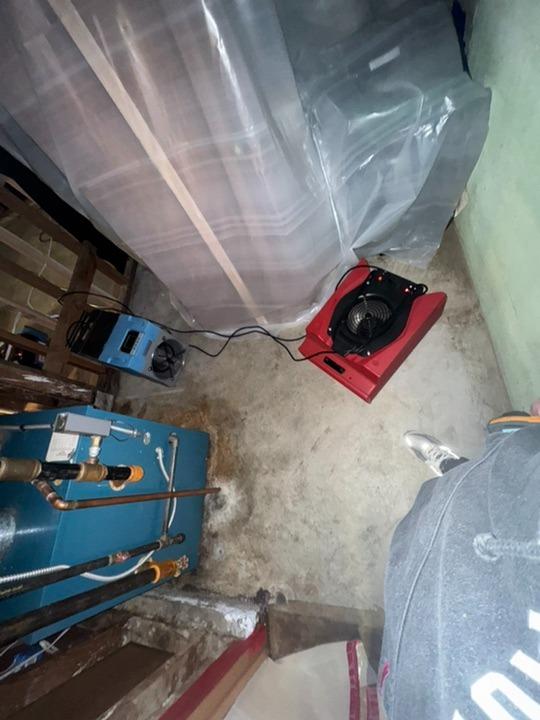
After extraction, residual moisture must be removed from walls, floors, structural framing, and the air itself. Technicians position industrial air movers and commercial dehumidifiers strategically throughout the affected space, creating controlled airflow patterns that draw moisture from building materials.
In Denver's naturally dry environment, drying may take slightly less time than in humid coastal cities, but the local altitude and rapid temperature changes create uneven drying conditions. Professionals monitor humidity and moisture readings daily, sometimes multiple times per day, to ensure complete drying without material cracking or warping. This monitoring phase typically runs three to five days but can extend to seven or more for severe water events.
Stage 4: Cleaning and Sanitizing
This step prevents bacteria, odors, and mold from developing in restored spaces. All affected surfaces are cleaned with antimicrobial solutions designed to eliminate contaminants while remaining safe for residential environments. Carpets, upholstery, and flooring are sanitized or replaced if contamination levels exceed salvageable thresholds.
Mold prevention is especially important in Denver homes with finished basements or tight insulation systems, as moisture pockets can linger behind walls and under floors even when surfaces appear completely dry. HEPA air scrubbers filter airborne spores and particles during this phase.
Stage 5: Repair and Reconstruction
Once moisture levels in all materials reach safe thresholds, confirmed by professional moisture meter readings, damaged materials are repaired or replaced. This phase may involve reinstalling drywall and insulation, repairing baseboards, flooring, and trim, repainting and refinishing surfaces, restoring cabinetry and countertops, and repairing or replacing electrical components affected by water.
The reconstruction timeline varies widely depending on how much material was removed during the drying phase. Minor repairs involving a single wall or small section of flooring can be completed in days, while extensive rebuilds affecting multiple rooms may take several weeks.
How Denver's Climate Affects Restoration Duration
Denver's local conditions make water damage restoration both faster and more delicate than in most other cities. The naturally dry air helps surface moisture evaporate quickly, which is advantageous during extraction and early drying stages. However, that same dryness can cause cracking and material distortion if drying proceeds too rapidly without proper humidity controls.
Temperature swings between day and night affect drying rates throughout the process. During winter, freezing temperatures can slow progress considerably, especially when burst pipes are the cause and indoor temperatures drop. In summer, afternoon thunderstorms bring sudden moisture into outdoor air, making it harder to reach target dryness levels indoors without increased dehumidification capacity.
Professionals adjust equipment settings and humidity controls daily, sometimes hourly, to account for these fluctuations. This active management is what separates professional restoration from DIY attempts that rely on static equipment placement.
The Importance of Professional Drying in Denver
Attempting to dry a flooded area yourself might seem like a cost-saving measure, but incomplete drying ranks among the most common causes of recurring water damage and mold growth. Moisture hidden behind baseboards, under subflooring, or trapped inside insulation creates conditions for mold development that surface weeks or months after the original event appeared resolved.
Certified restoration experts use advanced technology including thermal imaging cameras, calibrated hygrometers, and desiccant dehumidifiers to ensure total moisture elimination. They understand how Denver's unique environment impacts moisture movement through building materials and how altitude affects the physics of evaporation and drying.
Preventing Delays During the Restoration Process
Homeowners play an important role in keeping restoration projects on schedule. Act quickly when you notice water, as the earlier professionals are contacted, the less damage accumulates. Clear affected areas of furniture and personal belongings to give technicians immediate access to walls and flooring. Provide insurance details early for faster approval and claims processing.
Follow technician instructions regarding ventilation, traffic patterns, and equipment operation during the drying phase. Most importantly, avoid turning off drying machines early, even if the space looks and feels dry. Moisture can remain hidden inside wall cavities and under floors long after surfaces appear normal.
Common Mistakes That Extend Restoration Time
Several homeowner actions frequently extend restoration timelines and increase costs. Waiting too long to call professionals allows damage to spread and penetrate deeper. Attempting DIY drying with household fans provides inadequate airflow to reach hidden moisture. Ignoring signs of moisture under flooring leads to subfloor damage. Disposing of damaged materials before insurance inspection creates documentation gaps. Turning off drying equipment prematurely based on surface appearances allows hidden moisture to cause mold growth.
These errors can double the restoration timeline and significantly increase total project costs. Working with experienced professionals from the start prevents most of these common pitfalls.
How NuBilt Streamlines Restoration in Denver
NuBilt understands that time is critical after every water emergency. The trained technicians use advanced moisture mapping, controlled drying calibrated for Denver's altitude, and efficient reconstruction techniques to minimize total project duration. From initial extraction to final finishing, every phase is managed for speed without sacrificing thoroughness.
NuBilt also coordinates directly with insurance providers to prevent unnecessary approval delays that extend timelines. With deep local experience, the team understands how Denver's elevation, seasonal shifts, and common construction methods affect moisture behavior, enabling efficient and safe restoration on every project. Contact NuBilt at (303) 368-4688 for immediate water damage restoration assistance.
Need Professional Help?
Our team is available 24/7 for emergencies. Call now for immediate assistance.
Frequently Asked Questions
Typically three to five days for moderate damage. However, extensive flooding or slow leaks affecting multiple rooms can require up to two weeks of professional drying, depending on materials and environmental conditions.
Yes, Denver's low humidity accelerates surface drying. However, it can also cause over-drying and cracking if not carefully controlled. Professional monitoring ensures the proper balance between speed and material preservation.
In minor cases, you can remain in your home during restoration. Severe damage or contaminated water events involving sewage may require temporary relocation for health and safety reasons.
Mold can begin forming within 24 to 48 hours if moisture is not properly removed from building materials. Prompt professional drying and antimicrobial treatment prevent colonization.
Respond quickly by calling professionals immediately, clear affected areas of furniture and belongings, provide insurance information early, and follow technician instructions regarding equipment operation until they confirm drying is complete.