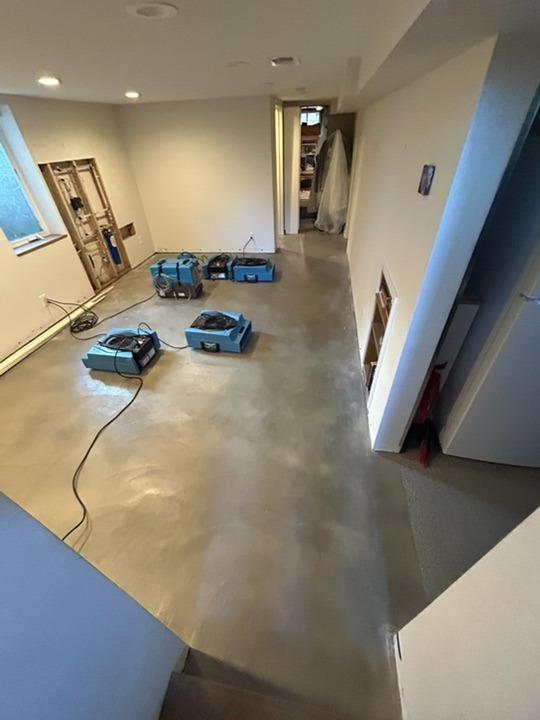
What Certifications Should a Denver Water Damage Restoration Contractor Have?
Not all water damage restoration contractors are equally qualified. Learn which certifications matter most when hiring a Denver restoration company, from IICRC credentials to specialized mold and structural drying qualifications.
Why Certifications Matter in Water Damage Restoration
When water damage strikes your Denver home, the qualifications of the restoration contractor you hire can determine whether your property is fully restored or left with hidden problems that surface months later. Certification represents competency verification rather than mere paperwork. Water damage restoration demands expertise across multiple disciplines including construction science, microbiology, HVAC systems, and advanced moisture mapping techniques.
Untrained technicians frequently commit critical errors that compound the original damage. Over-drying materials causes cracking and warping. Overlooking hidden moisture behind walls leads to mold colonies. Neglecting proper sanitization following contaminated water events leaves dangerous bacteria in living spaces. These mistakes commonly lead to mold proliferation, structural degradation, or recurring damage months after the initial restoration appeared complete.
Denver's dry, warm climate creates additional complexity that generic restoration approaches cannot address. Certified professionals comprehend these nuances and consistently deliver proper results calibrated to local conditions.
The Most Important Certifications for Water Damage Restoration Contractors
Several recognized organizations establish training standards and industry protocols for restoration work. When evaluating Denver restoration companies, these credentials indicate genuine expertise and professional accountability.
Institute of Inspection, Cleaning and Restoration Certification (IICRC)
The IICRC represents the internationally recognized gold standard for water damage restoration. This organization establishes globally recognized procedures for cleaning, drying, and restoring properties following water intrusion events. An IICRC-certified technician has completed extensive coursework and rigorous examinations demonstrating the ability to identify water damage sources and contamination categories, classify absorption extent and contamination levels, follow S500 and S520 restoration standards, deploy appropriate drying equipment and monitoring instruments, and handle mold remediation safely and effectively.
Denver homeowners benefit from contractors who adhere to IICRC procedures that emphasize both safety and efficiency. These standards were developed through decades of industry research and represent the most reliable framework for successful water damage restoration.
Water Damage Restoration Technician (WRT)
The WRT certification ranks among the most fundamental and widely recognized qualifications in the industry. Training covers water type assessment, material permeability understanding, drying time calculation, and extraction equipment operation. WRT-certified technicians learn to categorize water damage by contamination level and to classify the extent of absorption in building materials.
WRT-certified technicians respond rapidly and adapt to complex conditions. This flexibility is essential for Denver's volatile weather patterns, where a burst pipe in January demands different techniques than basement flooding during a July thunderstorm.
Applied Structural Drying (ASD)
ASD-certified technicians specialize in advanced drying approaches that protect structures and minimize the need for demolition. This certification addresses the science of airflow, humidity regulation, and strategic equipment positioning to achieve thorough drying without causing secondary damage.
Denver's dry, elevated location presents unique challenges that make ASD certification particularly valuable. Improper drying techniques in Denver can cause cracking, material shrinkage, and surface damage. ASD specialists balance moisture removal rates to prevent structural compromise while ensuring complete drying of all affected materials.
Applied Microbial Remediation Technician (AMRT)
AMRT certification emphasizes microbial contamination identification, containment, and elimination, with particular focus on mold. Since mold development begins within 24 to 48 hours after water exposure, this training proves invaluable during virtually every water damage restoration project.
Denver's apparently dry environment masks moisture-trapping risks in basements, behind insulation, and within wall cavities. The low outdoor humidity creates a false sense of security, but interior moisture conditions can easily support aggressive mold growth. AMRT-certified technicians understand these dynamics and prevent mold from establishing during the restoration process.
EPA Lead-Safe Certification
Homes constructed before 1978 may contain lead-based paint in various layers. EPA Lead-Safe certification ensures contractors follow federal guidelines when disturbing painted surfaces during restoration or demolition work. This certification gains importance in Denver's older neighborhoods, including Capitol Hill, Five Points, and Park Hill, where pre-modern building code homes predominate.
OSHA Health and Safety Training
The Occupational Safety and Health Administration provides essential safety instruction covering hazardous material handling, confined space work, and protective equipment use. Restoration work frequently involves contaminated water, mold exposure, or chemical applications, making OSHA training critical for protecting both technicians and homeowners.
Specialized Certifications That Add Value
Beyond core credentials, certain specialists pursue additional qualifications that enhance service quality and professional capability.
The Certified Mold Professional (CMP) designation focuses on sophisticated mold remediation, containment strategies, and air quality control. The Certified Indoor Environmentalist (CIE) credential prepares specialists to evaluate air quality, humidity levels, and potential allergens, ensuring post-restoration home safety. The Certified Building Science Thermographer (CBST) covers infrared thermography application for detecting concealed moisture, thermal loss, and insulation deficiencies, which is particularly relevant to Denver's dramatic climate variability.
Carpet and upholstery cleaning certifications also matter because water incidents frequently damage soft furnishings. Textile cleaning qualifications guarantee appropriate treatment and drying procedures for valuable belongings that homeowners want to salvage.
Why Certifications Matter More in Denver's Climate
Denver's unpredictable weather and extreme temperature fluctuations create technically demanding restoration circumstances that test even experienced professionals. Certified technicians understand the technique adjustments necessary to prevent cracking, warping, or secondary damage caused by drying too aggressively in Denver's already-dry environment.
Winter temperatures slow drying processes and can cause condensation on cold surfaces during restoration. Summer conditions accelerate surface evaporation while leaving subsurface moisture trapped behind vapor barriers. These seasonal dynamics require constant equipment adjustments that only trained professionals perform correctly.
Unqualified contractors rely on assumptions rather than measured science, producing incomplete restorations or hidden problems that emerge months later. When those problems surface, the original contractor is often unavailable, and the homeowner faces a second round of restoration costs that proper certification would have prevented.
How to Verify a Contractor's Credentials
Verification is straightforward and should be performed before hiring any restoration company. The IICRC provides a searchable technician database on their website where you can confirm active certifications. Request documentation directly from your contractor and look for IICRC logos displayed on uniforms, vehicles, or company websites.
Reputable Denver restoration firms proudly display their certifications because these credentials represent significant investments in training and ongoing education. A contractor who hesitates to provide verification or who cannot produce current certification documentation should be viewed with caution.
Check that certifications are current, not expired. Many credentials require continuing education and periodic renewal to remain active. Ask specifically about the certifications held by the technicians who will actually perform work in your home, not just company-level credentials.
The Risk of Hiring Uncertified Contractors
Selecting uncertified providers may appear economically advantageous initially but frequently increases long-term expenses dramatically. Untrained technicians may overlook hidden moisture behind walls, skip essential sanitization steps, or cause structural damage through overly aggressive drying techniques.
Common consequences of uncertified work include persistent odors that resist treatment, mold proliferation in areas that appeared dry, weakened structural materials that compromise building integrity, and failed insurance claims due to improper restoration documentation. Insurance companies may deny claims or reduce payouts if uncertified workers performed the restoration, leaving the homeowner responsible for costs that proper professional services would have covered.
What to Expect from a Certified Water Damage Contractor
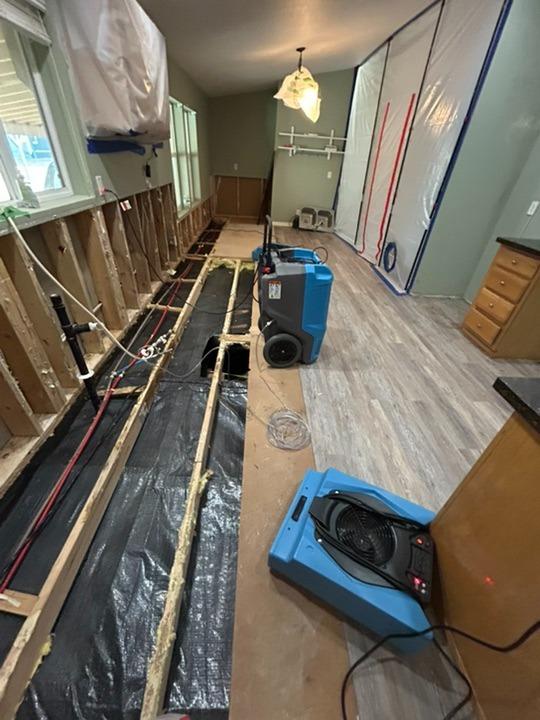
Certified restoration companies deliver a noticeably higher standard of service that begins with comprehensive moisture mapping and documentation. Adherence to IICRC S500 standards ensures that every step follows proven protocols. Commercial-grade drying and air filtration equipment removes moisture thoroughly while maintaining air quality throughout the process.
Proper containment barriers and mold prevention protocols protect unaffected areas of your home during restoration. Transparent reporting that supports insurance claims reduces financial stress and accelerates the reimbursement process. Certified professionals restore properties completely and restore homeowner confidence simultaneously.
Why Choose a Certified Local Company Like NuBilt
NuBilt combines industry-recognized certifications with extensive Denver hands-on experience. Technicians maintain IICRC, WRT, ASD, and AMRT credentials, guaranteeing the highest quality standards across every project. The team comprehends how Denver's dry, local environment affects drying timelines, material responses, and long-term stability.
Whether you require emergency water cleanup, controlled structural drying, or comprehensive reconstruction, NuBilt's certified professionals handle every phase with expertise. Contact NuBilt at (303) 368-4688 for professional certified restoration services in Denver.
Need Professional Help?
Our team is available 24/7 for emergencies. Call now for immediate assistance.
Frequently Asked Questions
The IICRC Water Damage Restoration Technician (WRT) certification is the most fundamental and recognized credential across the industry. It validates expertise in water extraction, drying science, and contamination assessment.
Certifications are not legally mandated in Colorado, but they prove essential for quality assurance, insurance claim approval, and safe restoration practices. Hiring uncertified contractors increases risks of incomplete work.
Verify active certifications through the IICRC or EPA websites, or request copies of current certification documents directly from the contractor before work begins.
Certified professionals typically do not cost significantly more and often save homeowners money long-term by preventing costly errors, ensuring insurance claim approval, and eliminating the need for rework.
Yes. NuBilt's restoration team maintains multiple active certifications, including IICRC WRT, ASD, and AMRT, ensuring the highest standards for every Denver restoration project.