Why Is Denver's Climate a Challenge for Water Damage Prevention?
Denver's Denver climate creates unique water damage challenges that many homeowners underestimate. From freeze-thaw cycles to expansive clay soils and sudden hailstorms, understanding how local weather patterns affect your property is essential for effective prevention.
What Makes Denver's Climate So Unique?
Denver sits at 800 feet elevation, known for its hot summers and variable weather. This altitude influences humidity levels, temperature extremes, and weather patterns in ways that significantly affect residential properties. The air is thinner, sunlight is more intense, and temperature swings can be dramatic within a single day. These environmental characteristics create demanding conditions for building materials that must withstand constant expansion and contraction.
When structures expand and contract repeatedly due to rapid heat and cold cycles, gaps form around windows, roofing materials, and foundations. These openings allow water infiltration during precipitation events, snowfall, and spring runoff. Understanding these climate-driven vulnerabilities is the first step toward effective water damage prevention for Denver homeowners.
Dry Air and Sudden Moisture Events
While Denver's semi-arid climate means generally dry conditions prevail, this dryness is deceptive when it comes to water damage risk. Materials like wood framing, drywall, and exterior caulking shrink during extended dry periods, developing small cracks and gaps. When humidity rises suddenly during storms or snowmelt, these dried and shrunken materials absorb water rapidly through the cracks they developed during dry conditions. This expansion-contraction cycle accelerates wear on sealants, roof flashing, and foundation waterproofing.
Freeze-Thaw Cycles
Few cities experience as many freeze-thaw fluctuations as Denver. Temperatures frequently rise above freezing during sunny winter afternoons and then plummet at night, creating a continuous cycle that stresses every building material. Melting snow seeps into small cracks in concrete, wood, and masonry during the day, then freezes again overnight. Water expands approximately 9 percent when it freezes, forcing cracks wider with each cycle and progressively compromising foundations, sidewalks, and exterior walls.
Intense Sun Exposure
At Denver's elevation, ultraviolet exposure increases significantly compared to sea-level cities. The constant, intense sunlight dries roofing materials, exterior sealants, and paint faster than manufacturers anticipate. Shingles become brittle, caulking cracks and pulls away from joints, and painted surfaces develop micro-fissures. When sudden rainstorms or hail hits these compromised surfaces, they offer far less water resistance than their rated specifications suggest.
Sudden Storms and Hail
Denver's spring and summer weather brings violent thunderstorms and destructive hail, often arriving with little warning and overwhelming gutters and drainage systems within minutes. A 20-minute downpour can saturate soil, flood window wells, overwhelm basement drainage, and test even well-maintained roofing systems. Hail damages shingles and flashing, creating entry points for water that may not become apparent until the next precipitation event.
How Denver's Seasonal Shifts Impact Water Damage Prevention
Each season in Denver presents distinct water damage challenges that require different preventive strategies.
Winter: Frozen Pipes and Ice Dams
When temperatures plummet to single digits or below zero, uninsulated or exposed pipes in basements, attics, garages, and exterior walls can freeze and burst. Even a small pipe rupture can release hundreds of gallons of water once temperatures rise and the ice thaws. Ice dams form on roofs when heat loss from the attic melts snow on upper roof sections, which then refreezes near the colder eaves. This ice barrier traps water under shingles, leading to interior leaks that are often discovered only after significant damage has occurred.
Spring: Snowmelt and Runoff
Rapid snowmelt combined with spring rainfall can overwhelm drainage systems across Denver neighborhoods. If home grading directs water toward foundations rather than away, or if gutters are clogged with winter debris, water flows toward the structure and seeps into basements through foundation cracks and window wells. Spring is historically the highest-risk season for basement flooding in Denver homes.
Summer: Storm Surges and Humidity Fluctuations
Late summer thunderstorms bring sudden, heavy rainfall that tests every joint, flashing seam, and gutter connection on your home. Indoor humidity rises during storms, causing condensation around windows, in poorly ventilated bathrooms, and within crawl spaces and attics. This seasonal humidity shift can activate dormant moisture problems that were developing throughout drier months.
Fall: Temperature Drops and Structural Stress
Autumn temperatures might feel mild and comfortable, but building materials that expanded throughout summer begin contracting as nights grow cooler. This contraction can open cracks in exterior walls, window frames, and roofing materials. If these gaps are not sealed before winter arrives, they become entry points for water once the freeze-thaw cycle resumes in earnest.
Why Are Homes in Denver More Vulnerable to Water Damage?
Several factors beyond weather make Denver properties particularly susceptible to water intrusion and damage.
High Altitude and Low Air Pressure
Water evaporates faster in Denver, which might sound beneficial for drying after a leak. However, this rapid evaporation dehydrates building materials including wood framing, exterior caulking, and window glazing compounds. The resulting micro-gaps and cracks become pathways for future water intrusion.
Expansive Soil Types
Much of Denver's underlying soil contains bentonite clay, which swells dramatically when wet and contracts when dry. This soil movement exerts enormous pressure on foundations, causing cracks that allow water to enter basements and crawl spaces. The same clay soil can shift foundation walls and floor slabs, creating gaps in waterproofing systems that were intact when the home was built.
Aging Housing Stock
Denver's housing market includes everything from century-old brick bungalows in established neighborhoods to modern construction in developing areas. Older properties frequently have outdated plumbing, inadequate waterproofing, and drainage systems that do not meet current standards. Even newer construction can develop water damage vulnerabilities as foundations settle unevenly on expansive soils.
Poor Drainage Infrastructure in Some Areas
Certain Denver neighborhoods, especially those near slopes, in older subdivisions, or in areas with overburdened storm sewer systems, suffer from inadequate drainage capacity. Combined with Denver's periodic intense downpours, insufficient drainage quickly leads to surface flooding and water pooling around home foundations.
Common Water Damage Risks in Denver Homes
Roof Leaks and Ice Dams
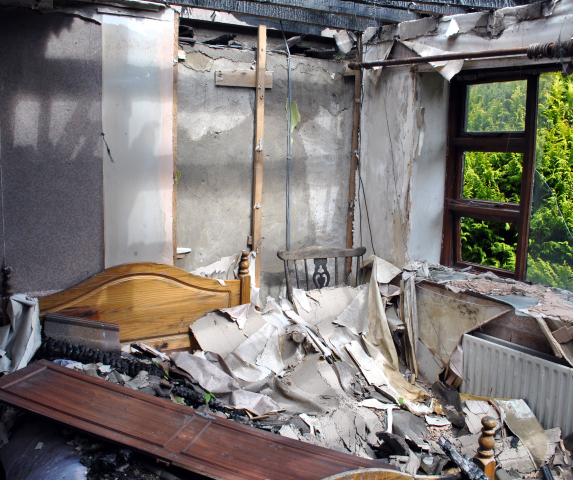
With snowstorms, hailstorms, and intense UV exposure affecting roofs year-round, roof integrity requires constant attention. Damaged shingles, cracked flashing, and compromised ridge vents allow water to enter attic spaces, causing ceiling stains, insulation damage, and mold growth in concealed areas.
Plumbing Failures
Temperature extremes weaken pipe joints, solder connections, and flexible supply line fittings. Undetected leaks under sinks, behind walls, or beneath flooring can persist for weeks, causing material saturation and mold development before any visible signs appear.
Basement Seepage
Many Denver homes include basements, and hydrostatic pressure from groundwater forces moisture through concrete walls and floor slabs. Poor sump pump maintenance, failed footer drains, or clogged window well drainage compounds basement moisture problems. Finished basements are particularly vulnerable because water damage behind walls and under flooring often goes undetected until mold becomes visible.
Condensation and Humidity
Denver's low outdoor humidity encourages many homeowners to use humidifiers during dry winter months. However, excessive humidifier use raises indoor moisture levels beyond safe thresholds, causing condensation on windows, walls, and inside wall cavities. This trapped condensation behaves exactly like a slow leak over time, gradually saturating building materials and promoting mold growth.
The Science Behind Water Expansion and Structural Damage
Understanding the physics of water expansion helps explain why Denver's freeze-thaw cycles are so destructive. Water expands approximately 9 percent when it transitions from liquid to solid ice. When water is trapped inside pores, cracks, or joints of building materials, this expansion applies enormous hydraulic pressure to surrounding surfaces. When the ice melts, it leaves larger voids than existed before freezing, allowing even more water to enter during the next cycle.
Over multiple freeze-thaw cycles, the cumulative effect produces visible structural degradation including cracked foundations, spalling concrete, deteriorated mortar joints, and failed sealants. Additionally, moisture travels upward through capillary action in porous materials, spreading into higher wall sections and framing members. This means visible stains and damage may appear feet away from the actual intrusion point, complicating diagnosis and repair.
How Professionals Manage Water Damage in Denver's Climate
Professional restoration in Denver requires climate-specific expertise that accounts for local conditions throughout every phase of the process.
Inspection and Thermal Imaging
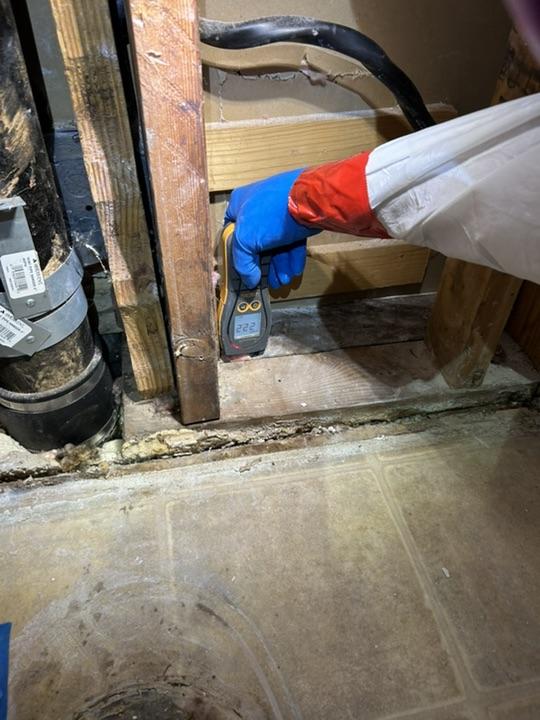
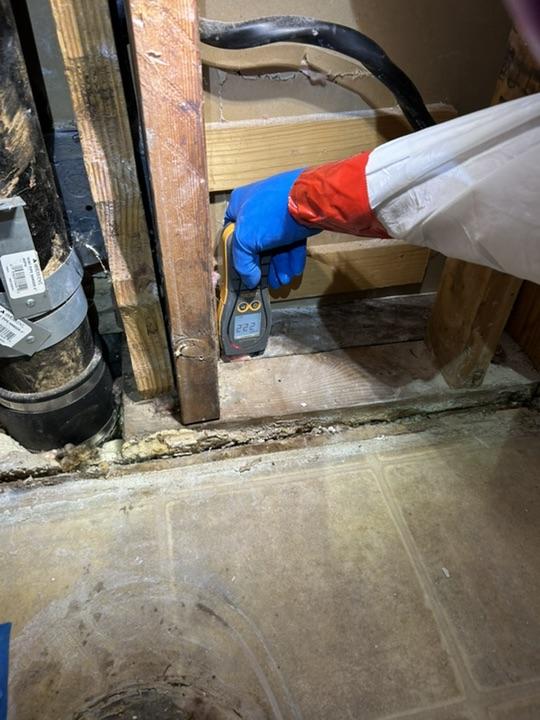
Experts map moisture levels and trace intrusion points using infrared cameras, revealing damp areas hidden behind walls, inside ceiling cavities, and beneath flooring. This non-destructive detection prevents unnecessary demolition while ensuring all moisture sources are identified.
Controlled Drying and Dehumidification
Because Denver's air is naturally dry, overly aggressive drying techniques can damage building materials by removing moisture too rapidly. This causes wood cracking, drywall seam separation, and paint failure. Professional restoration teams use controlled drying methods that maintain safe humidity levels while systematically eliminating trapped moisture. Equipment settings are adjusted daily based on monitored conditions.
Mold Remediation and Air Quality Management
Mold grows readily even in Denver's dry climate when hidden moisture provides the necessary conditions. Professional teams use HEPA filtration, antimicrobial treatments, and negative air pressure containment to clean and stabilize affected spaces. Post-remediation air quality testing confirms that spore counts have returned to safe levels.
Structural Repair and Prevention
After drying is complete, teams repair damaged materials and install preventive measures such as vapor barriers, improved sump systems, foundation waterproofing, and enhanced drainage to guard against future water damage events. These upgrades are designed specifically for Denver's climate challenges.
How to Protect Your Home from Denver's Water Challenges
Effective prevention requires a seasonal approach tailored to Denver's specific climate patterns. Conduct thorough inspections before winter and spring to identify early signs of vulnerability. Apply waterproof sealants to windows, foundations, and around all exterior penetrations for pipes and wiring. Insulate pipes to prevent freezing and ensure attic insulation prevents the heat loss that causes ice dams.
Maintain clean gutters and ensure downspouts direct water at least six feet from your foundation walls. Consider basement waterproofing solutions if your home sits in a flood-prone area or has experienced moisture issues. Install smart leak detection sensors under appliances, near water heaters, and along basement walls to receive instant alerts before small leaks become major problems.
Why Local Expertise Matters
Denver's climate creates water damage challenges that differ significantly from other regions. Restoration professionals with deep local experience understand how altitude, expansive soils, freeze-thaw cycles, and seasonal storm patterns affect Denver homes specifically. This expertise translates to faster diagnosis, more effective restoration, and better preventive recommendations.
NuBilt brings certified restoration expertise combined with years of hands-on Denver experience to every project. Whether you need emergency water damage response, mold remediation, or preventive consultation, contact NuBilt at (303) 368-4688 for professional assistance tailored to Denver's unique climate challenges.
Need Professional Help?
Our team is available 24/7 for emergencies. Call now for immediate assistance.
Frequently Asked Questions
No. While Denver is semi-arid, intense storms, rapid snowmelt, freeze-thaw cycles, and expansive clay soils actually increase water damage risk. Indoor moisture problems also develop easily in tightly insulated homes.
When water freezes inside a pipe, it expands by approximately 9 percent, creating enormous pressure that eventually splits the pipe wall. Uninsulated pipes in basements, attics, and exterior walls are most vulnerable.
Uneven snow melt patterns on your roof or large icicles forming along the eaves suggest heat loss and insufficient attic insulation, both of which are primary ice dam contributors.
Yes. Mold thrives anywhere persistent moisture exists, regardless of outdoor humidity. Hidden leaks, basement dampness, and condensation inside walls provide ample moisture for mold growth even in Denver's dry climate.
Contact a professional restoration company for inspection immediately. They will identify the moisture source, repair entry points, and dry the area thoroughly before mold can develop.