
What Are the Most Common Causes of Black Mold in Denver Homes?
Despite Denver's dry reputation, black mold thrives in homes where hidden moisture accumulates from leaks, condensation, and poor ventilation. Understanding the most common causes helps homeowners prevent dangerous mold growth before it damages property and health.
What Causes Black Mold to Grow Inside Denver Homes?
Discovering dark, musty patches on walls, in basement corners, or behind furniture is an alarming experience for any Denver homeowner. These signs often indicate black mold, a dangerous fungus that thrives in moisture-rich environments. Acting quickly is essential because black mold spreads rapidly under favorable conditions, and the longer it persists, the more extensive the remediation required.
Multiple factors contribute to mold growth in Denver homes, including structural issues, plumbing problems, and climate patterns unique to the Denver. Understanding these causes is the first step toward effective prevention and protecting both your property and your family's health.
Black mold develops when airborne spores encounter three conditions simultaneously: persistent moisture, organic material to feed on, and suitable temperatures. Mold spores are perpetually present in indoor and outdoor air, but moisture is the activating factor. Once moisture accumulates on surfaces, mold feeds on common building materials including drywall, insulation, wood framing, and fabric. If left undetected, mold spreads rapidly through walls, flooring, and HVAC systems.
Water Leaks and Plumbing Issues
Leaky pipes, dripping faucets, loose plumbing fittings, and hidden pipe damage rank among the top triggers for black mold in Denver homes. Even gradual, slow-drip leaks create persistently damp environments that provide ideal mold growing conditions. The moisture does not need to be visible to create problems since water seeping behind walls, inside cabinets, or under flooring enables mold formation long before any visible signs appear.
Older Denver homes with original galvanized, copper, or cast-iron plumbing carry elevated leak risk due to corrosion and joint deterioration. Supply line connections to toilets, sinks, dishwashers, and washing machines are common failure points. Water heater connections and expansion tanks also develop slow leaks that create mold conditions in utility closets and basement mechanical rooms.
Roof Problems and Poor Exterior Sealing
Damaged shingles, cracked roof flashing, clogged gutters, and worn seals around skylights and vent penetrations cause moisture intrusion from above. Water entering attic spaces or dripping into wall cavities through compromised roofing often produces undetected mold colonies that grow for weeks or months before any interior signs appear.
Roof-related leaks are especially common in Denver following hailstorms, heavy snow events, and the rapid temperature shifts that characterize Denver weather. A single hailstorm can create dozens of small compromise points in a roof system that admit water during subsequent rain or snowmelt events.
Moisture Buildup in Basements and Crawl Spaces
Basements and crawl spaces function as natural moisture traps in Denver homes. Soil moisture, condensation from temperature differentials, inadequate ventilation, and groundwater seepage create conditions of continuous dampness. Without proper waterproofing, functioning sump pumps, and adequate drainage systems, mold colonizes quickly on wood framing, insulation, concrete walls, carpeting, and stored personal items.
Denver's expansive clay soils contribute to basement moisture problems by channeling groundwater against foundation walls during wet seasons. Hydrostatic pressure forces water through even small cracks in concrete, maintaining a constant moisture supply that sustains mold growth year-round in unprotected basements.
Condensation from Temperature Fluctuations
Denver experiences dramatic weather shifts between hot afternoon temperatures, cool nights, sudden snowstorms, and extended dry heat periods. These rapid changes generate condensation on windows, cold water pipes, exterior walls, and any surface where warm indoor air contacts a cold surface. Over time, accumulated condensation creates damp pockets on walls, window sills, and behind furniture that support active mold growth.
Single-pane windows in older Denver homes are particularly susceptible to condensation buildup during winter months. The extreme temperature differential between heated indoor air and frigid outdoor surfaces causes persistent moisture accumulation that feeds mold colonies along window frames and surrounding drywall.
High Indoor Humidity from Daily Activities
Everyday household activities including showering, cooking, indoor clothes drying, and humidifier operation elevate indoor humidity levels significantly. When indoor humidity exceeds 50 percent, mold spores find conditions favorable for germination and growth. Bathrooms, kitchens, laundry rooms, and closets prove especially vulnerable because they combine moisture sources with limited air circulation.
Denver's dry outdoor air leads many homeowners to use whole-house humidifiers during winter months. While humidifiers improve comfort, excessive use raises indoor moisture levels above safe thresholds without homeowners realizing the risk. Poor ventilation compounds the problem by trapping humid air in enclosed spaces where it contacts cold surfaces and condenses.
Flooding from Storms or Snowmelt
Heavy rainfall and rapid spring snowmelt characterize Colorado's transitional weather patterns. During these events, water penetrates homes through foundation cracks, improperly sealed basement windows, and landscapes graded toward the structure rather than away from it. Standing water or lingering moisture following flooding events frequently triggers rapid mold growth, particularly when drying is incomplete or delayed.
Denver's spring snowmelt season creates the highest-risk period for flooding-related mold. Accumulated winter snowpack melts rapidly during warm spells, saturating soil and overwhelming drainage systems simultaneously. Homes that experienced no moisture problems during winter may suddenly face basement flooding when several feet of snow melts within days.
Poor Ventilation and Airflow
When indoor air circulation fails, moisture lingers on surfaces and warm, humid air pockets develop in enclosed spaces. Rooms lacking exhaust fans, homes with closed or blocked vents, and areas with inadequate return air pathways trap humidity. Attics, basements, utility rooms, crawl spaces, and interior closets become hotspots for hidden mold growth when ventilation cannot remove moisture-laden air.
Many Denver homes built during the energy efficiency push of recent decades are sealed tightly to minimize heating costs. While this construction approach reduces energy waste, it also reduces natural air exchange that previously helped control indoor humidity. Without mechanical ventilation systems to compensate, these tightly sealed homes trap moisture that fuels mold development.
Why Does Black Mold Grow So Easily in Colorado Homes?
Although Colorado maintains a reputation for dry air, mold grows readily inside homes due to the interaction between environmental conditions and building design. Homes insulated tightly for winter warmth trap indoor moisture that cannot escape. Snowmelt saturates soil surrounding foundations, increasing basement humidity even during seasons when outdoor air is dry. Summer storm humidity intensifies indoor condensation when air conditioning creates temperature differentials on building surfaces.
These factors work in combination throughout the year, creating opportunities for mold spore activation in different locations depending on the season. Understanding this year-round risk is essential for Denver homeowners who might otherwise assume that dry outdoor conditions protect their homes from mold.
How Can You Identify the Early Stages of Mold Growth?
Early recognition of mold indicators prevents minor problems from escalating into serious health hazards and expensive remediation projects. Warning signs include musty odors that persist despite cleaning, a feeling of damp or heavy air in enclosed spaces, peeling or bubbling paint on walls and ceilings, warped or cupping flooring, dark spots or discoloration on walls and ceiling surfaces, and increased allergy symptoms among household members.
Mold growing behind walls or under flooring may remain invisible for extended periods, but unusual discoloration, persistent staining, or unexplained moisture accumulation indicates problems that warrant professional investigation. Following any water event, leak discovery, or flooding, professional mold inspection provides the most reliable assessment of risk.
What Role Does Poor Insulation Play in Mold Growth?
Insulation failures commonly contribute to mold development by creating the temperature differentials that produce condensation. When insulation fails to regulate temperature effectively or absorbs moisture instead of repelling it, condensation forms on surrounding surfaces. Insufficient insulation near pipes creates cold spots where moisture settles continuously. Attic areas with inadequate insulation experience temperature fluctuations that accelerate condensation.
Over time, hidden moisture within poorly insulated wall cavities and ceiling spaces provides ideal conditions for mold colonies to establish and spread. Homeowners may not realize insulation has degraded until mold is discovered during a renovation or a professional inspection reveals the problem.
Are Household Habits Contributing to Mold Growth?
Daily routines unintentionally establish mold-friendly conditions more often than homeowners realize. Extended steamy showers without adequate bathroom ventilation saturate walls and ceilings with moisture. Cooking without using range hoods fills kitchens with steam that condenses on cooler surfaces. Storing damp clothing, leaving wet towels in hampers, or blocking air vents with furniture reduces airflow and traps humidity in localized areas.
Even overwatering indoor plants increases ambient moisture levels in surrounding areas. Each of these habits produces a small amount of excess moisture, but collectively they create significant humidity problems when ventilation cannot compensate. Modifying these habits and improving ventilation simultaneously provides the most effective defense against household mold.
How Does Ventilation Prevent Black Mold?
Proper ventilation reduces indoor humidity, prevents condensation on building surfaces, and improves air circulation throughout the home. When ventilation systems work correctly, moisture-laden air is exhausted from the home rather than settling on surfaces where mold development begins.
Bathrooms, kitchens, attics, basements, and laundry rooms require functioning exhaust fans that vent to the exterior, not into attic spaces or wall cavities. Opening windows during favorable weather provides supplemental air circulation that helps control indoor humidity. Whole-house ventilation systems, including energy recovery ventilators, provide continuous air exchange in tightly sealed modern homes without significant energy penalties.
What Health Risks Are Associated with Black Mold?
Prolonged exposure to black mold triggers a range of health problems including respiratory difficulties, persistent headaches, chronic allergies, frequent coughing, eye irritation, and asthma attacks. Immunocompromised individuals, children, and elderly household members face heightened vulnerability to mold-related illness. In severe cases, extended exposure can contribute to chronic respiratory conditions that persist long after mold exposure ends.
The health impact varies based on the specific mold species present, the duration and intensity of exposure, and the individual's immune system sensitivity. Some household members may experience symptoms while others remain unaffected, which can delay recognition that mold is present.
Why Immediate Action Is Critical When Mold Is Found
The longer mold remains in a home, the greater the damage it causes and the more expensive remediation becomes. Mold grows and reproduces within 24 to 48 hours under favorable moisture conditions, and once established, it spreads through both direct growth and airborne spore dispersal. Active mold damages organic building materials, degrades indoor air quality, and increases remediation complexity with every day of delay.
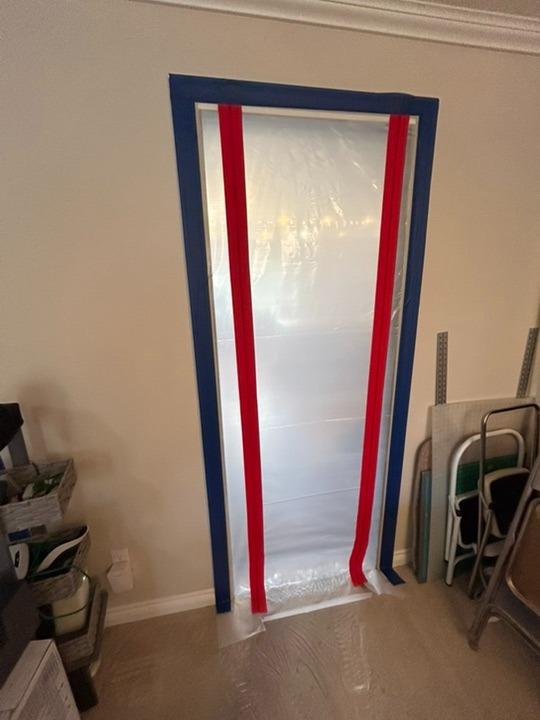
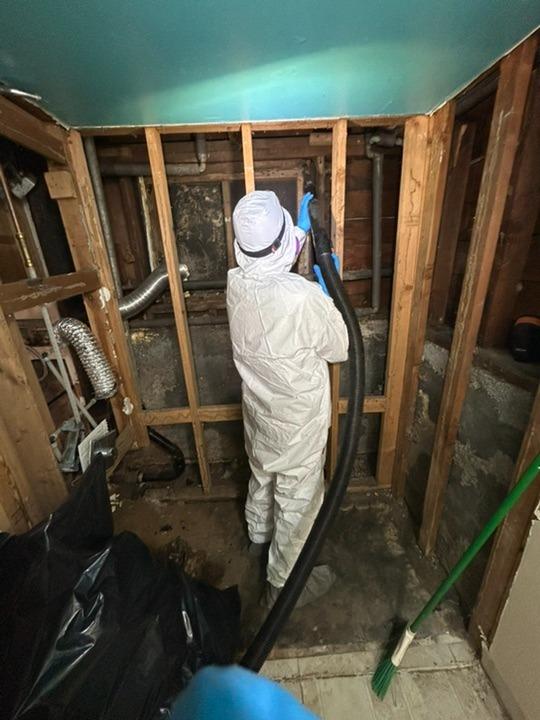
Quick intervention when mold is discovered prevents deeper structural penetration and reduces long-term health exposure for household members. Mold growing behind walls or under flooring requires professional removal techniques that prevent cross-contamination during the remediation process. DIY removal of significant mold growth often spreads spores to previously clean areas, expanding rather than containing the problem.
For professional black mold assessment and remediation in your Denver home, contact NuBilt at (303) 368-4688. Our certified technicians provide thorough inspection, safe removal, and prevention strategies tailored to Denver's unique climate conditions.
Need Professional Help?
Our team is available 24/7 for emergencies. Call now for immediate assistance.
Frequently Asked Questions
The most common causes include persistent moisture from plumbing leaks, basement humidity from groundwater seepage, poor ventilation trapping humid air, and condensation resulting from Denver's dramatic temperature fluctuations.
Yes. Indoor humidity from daily activities, snowmelt saturating foundations, plumbing leaks, and condensation from temperature swings create sufficient moisture for mold growth regardless of how dry outdoor conditions appear.
Mold can begin spreading within 24 to 48 hours when moisture and organic material are present. Once established, mold colonies expand rapidly through direct growth and airborne spore dispersal to new surfaces.
Yes. Black mold exposure can cause respiratory issues, chronic allergies, asthma attacks, headaches, and other symptoms. The severity depends on exposure duration, mold concentration, and individual immune system sensitivity.
Small, surface-level mold on nonporous surfaces may be manageable with proper precautions. However, widespread mold, hidden mold behind walls, or mold covering more than 10 square feet requires professional remediation to ensure safe and complete removal.