Will Insurance Cover Storm Damage Restoration in Denver?
Denver's Denver experiences some of the most severe hail and storm events in North America. Learn how insurance covers storm damage, the claims process, and how to maximize your coverage.
Denver's Storm Damage and Insurance Coverage
Denver's position along the Denver exposes properties to some of North America's most severe weather events. Hailstones ranging from golf ball to baseball size, wind gusts exceeding 80 miles per hour, flash flooding from summer thunderstorms, and ice dams from winter freeze-thaw cycles create recurring threats to homes and businesses throughout the metro area. For property owners facing storm damage, one of the most pressing questions is whether their insurance will cover the cost of restoration.
Understanding Denver's Storm Threats and Their Insurance Implications
Each type of storm damage carries different insurance considerations that Denver property owners should understand before a claim becomes necessary.
Hail Damage
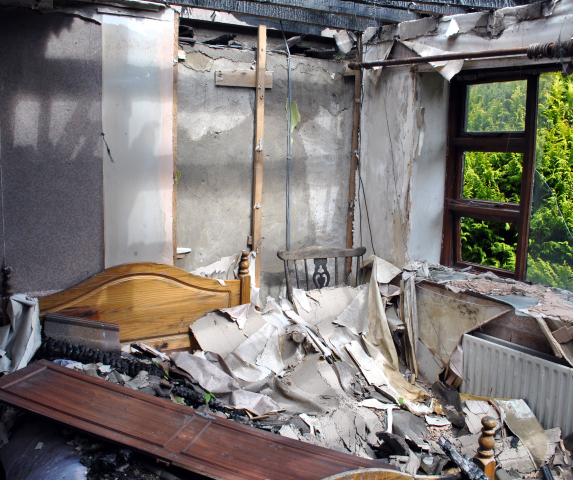
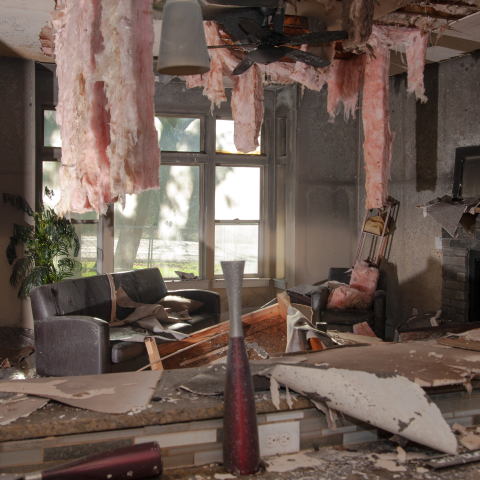
Hailstorms produce the most frequent and expensive insurance claims in the Denver region. Golf ball to baseball-sized hailstones damage roofing materials, siding, windows, and gutters. The cumulative effect of multiple hail events can leave a roof significantly compromised, and insurance coverage depends on the age of the roof, the type of policy, and the specific endorsements in place.
Wind Damage
High-velocity winds accompanying Denver storms create debris impact damage and structural weakness in roofing and siding systems. Wind damage is generally well-covered by standard homeowners insurance policies, though deductible structures may vary.
Water and Flooding
Summer thunderstorms cause flash flooding affecting basements and foundations, while heavy rain exploits vulnerabilities created by hail and wind damage. Standard homeowners insurance typically covers water damage from storm-related roof leaks, but flooding from rising water requires separate flood insurance, often through FEMA's National Flood Insurance Program.
Snow and Ice
Snow squalls and freeze-thaw cycles create ice dams that force meltwater under shingles and into attics and wall cavities. This hidden damage often results in rot and mold that may not be discovered for months. Insurance coverage for ice dam damage depends on the specific cause and the timing of discovery.
Insurance Coverage Basics: ACV vs. RCV
Understanding how your policy values damaged property is essential for managing expectations about claim payouts.
Actual Cash Value (ACV)
Actual Cash Value policies pay based on the current market value of the damaged property, factoring in depreciation. For a 15-year-old roof with a 25-year expected lifespan, an ACV policy would deduct approximately 60 percent of the replacement cost as depreciation. This results in smaller claim amounts, particularly for older properties, and may leave significant out-of-pocket costs for the property owner.
Replacement Cost Value (RCV)
Replacement Cost Value policies cover the full cost to replace damaged property with new materials of similar kind and quality, without deducting for depreciation. RCV policies provide more complete restoration funding, though they typically carry higher premiums. Many RCV policies pay in two stages: an initial payment minus depreciation, followed by a supplemental payment once repairs are completed and documented.
Deductible Considerations
Deductibles function differently under each valuation method. Under ACV, the deductible is applied after depreciation is calculated, further reducing the payout. Under RCV, the deductible is subtracted from the full replacement value. Many Colorado homeowners policies include separate wind and hail deductibles that may be higher than the standard deductible, sometimes calculated as a percentage of the dwelling coverage amount.
The Storm Damage Insurance Claims Process
Understanding the claims process before you need it helps ensure a smoother experience when storm damage occurs.
Step 1: Documentation
Thorough documentation is the foundation of a successful claim. Before repairs begin, photograph and video all visible damage from multiple angles. Document both exterior and interior damage. Record the date, time, and nature of the storm event. Preserve weather reports and any relevant news coverage. Maintain a detailed inventory of damaged personal property with approximate values, model numbers, and purchase dates when available.
Step 2: Prompt Claim Filing
Contact your insurance company as soon as possible after storm damage occurs. Most policies require notification within 30 to 90 days of the loss event, though filing sooner is always advantageous. Early reporting initiates faster processing and demonstrates good faith compliance with policy requirements. Note the claim number and the name of every person you speak with.
Step 3: Insurance Adjuster Assessment
Your insurance company will assign an adjuster to inspect the damage and prepare an estimate. Having your restoration contractor present during the adjuster's visit is valuable because they can point out damage the adjuster might miss and provide context about repair requirements. The adjuster's initial estimate may not capture all damage, and supplemental claims can be filed when additional work is identified during restoration.
Step 4: Estimate Review and Negotiation
Review the adjuster's estimate carefully against the contractor's assessment. If the insurance estimate seems insufficient, you have options. Request a re-inspection with specific items identified for review. Provide additional documentation or expert opinions supporting a higher valuation. Consider engaging a public adjuster who works on behalf of the policyholder to negotiate with the insurance company.
Step 5: Restoration and Final Documentation
Once claim approval is secured, restoration work can proceed. Maintain records of all work performed, including contracts, invoices, change orders, and completion photographs. For RCV policies, this documentation is required to receive the depreciation holdback payment.
Typical Storm Damage Insurance Timeline
Understanding the typical timeline helps property owners plan and maintain appropriate urgency throughout the process.
The initial inspection and documentation phase typically takes one to three days. Claim filing and adjuster coordination generally requires one to four weeks depending on the volume of claims the insurance company is processing, which can be significant after major Denver hail events. Payout approval and funding typically takes one to two weeks after the estimate is agreed upon. Repair and reconstruction generally requires two to eight weeks depending on damage severity. Final inspection and cleanup usually takes about one week.
What Roof Replacement Coverage Typically Includes
When a full roof replacement is approved, insurance coverage typically includes removal of existing damaged materials, underlayment and ice-water barrier installation, wood sheathing and decking repair or replacement, fascia and soffit board repair, new roofing shingles or metal panels, flashing replacement around all roof penetrations, vent and pipe boot replacement, and gutter system repair or replacement.
Detecting Hidden Storm Damage for Complete Claims
Hidden storm damage is common after Denver weather events and can significantly increase claim values when properly documented. Moisture that infiltrates beneath roofing layers often goes undetected during initial inspections. Warning signs that indicate hidden damage include musty odors in the attic or upper rooms, ceiling bulges or discoloration, unexplained increases in energy bills from lost insulation performance, and peeling paint near rooflines or in upper-story rooms.
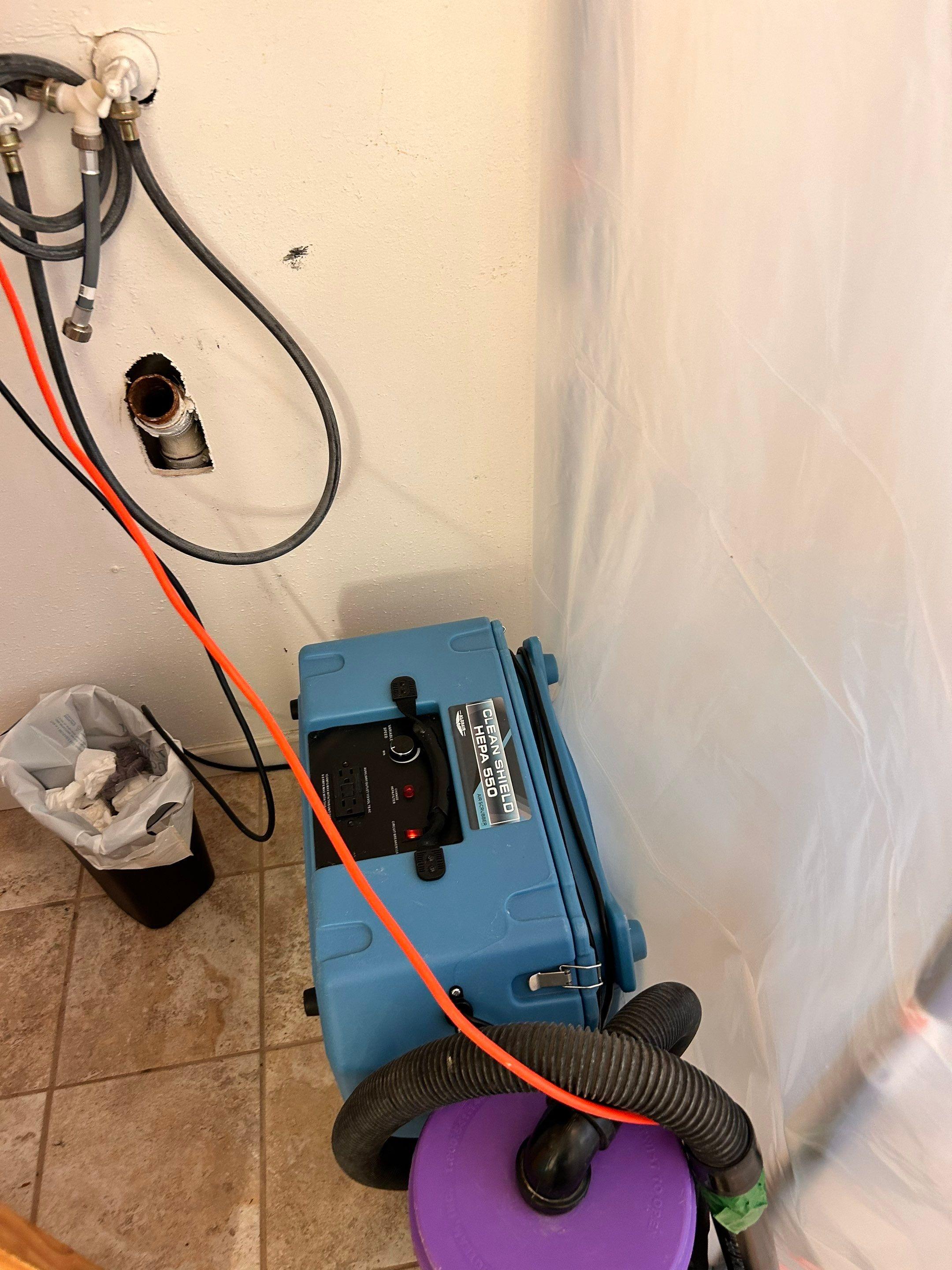
Professional restoration companies use moisture meters and thermal imaging cameras to detect hidden damage that supports comprehensive insurance claims. This technology identifies moisture behind walls, above ceilings, and in other concealed areas that visual inspection cannot reach.
Flood Insurance: A Separate but Critical Coverage
Standard homeowners insurance policies exclude damage from rising water, which includes most basement flooding during heavy rainstorms. Denver property owners in flood-prone areas should strongly consider separate flood insurance through FEMA's National Flood Insurance Program or private flood insurance providers.
Flood insurance covers structural damage from rising water, damage to building foundations and mechanical systems, and personal property damage in some policy configurations. There is typically a 30-day waiting period before new flood policies take effect, so purchasing coverage before storm season is essential.
Enhancing Your Storm Damage Coverage
Denver property owners can strengthen their insurance protection through several specialized endorsements and additional policies.
Sewer and drain backup coverage protects against water damage from backed-up municipal systems during heavy rainfall events. Mold remediation coverage provides specific funding for mold removal that may result from water intrusion. Extended replacement cost coverage provides additional funding above policy limits when rebuilding costs exceed the coverage amount. Alternative living expense coverage pays for temporary housing when storm damage makes your home uninhabitable.
Working with Restoration Professionals During the Claims Process
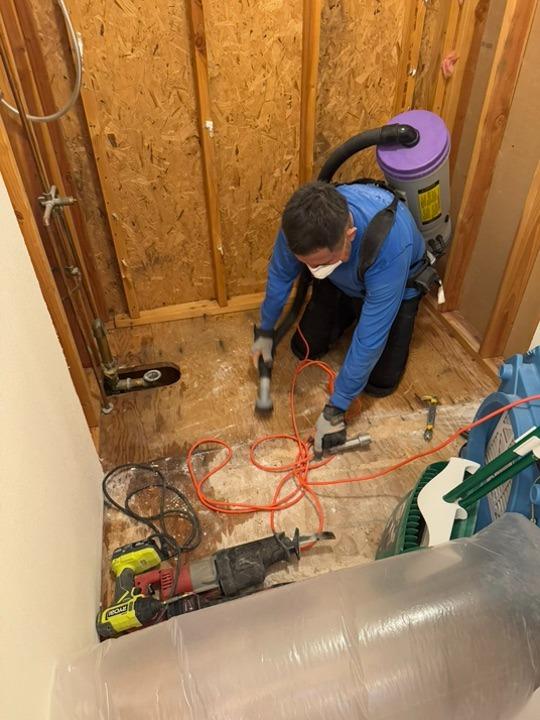
Professional restoration companies that regularly work with insurance claims provide valuable support throughout the process. They understand the documentation requirements that Colorado insurers expect, they can identify damage that adjuster inspections might miss, they communicate directly with adjusters using industry-standard terminology and pricing, and they manage supplemental claims when additional work is discovered during restoration.
This professional advocacy helps ensure that property owners receive appropriate compensation for the full scope of storm damage to their property.
Need Professional Help?
Our team is available 24/7 for emergencies. Call now for immediate assistance.
Frequently Asked Questions
Most standard homeowners insurance policies cover hail, wind, and lightning damage to roofs. Coverage amounts depend on whether you have an Actual Cash Value or Replacement Cost Value policy, your deductible, and any specific endorsements.
Document all damage with photos and videos, obtain detailed contractor estimates, submit your claim to your insurer promptly, coordinate with the assigned adjuster, and review settlement offers carefully against the full scope of damage.
Actual Cash Value policies deduct depreciation from the payout, resulting in smaller claims for older properties. Replacement Cost Value policies cover the full cost to replace damaged materials with new ones of similar quality, without depreciation deductions.
Yes. Standard homeowners insurance excludes flood damage from rising water. Separate flood insurance through FEMA's National Flood Insurance Program or private providers is needed for ground-level water intrusion coverage.
You can add specialized endorsements to your homeowners policy including sewer and drain backup coverage, mold remediation coverage, extended replacement cost coverage, and alternative living expense coverage.