What Should You Do Immediately After a Storm Damages Your Denver Home?
Denver's location in Tornado Alley means storm damage is a matter of when, not if. Learn the essential steps to take immediately after a storm damages your home to protect your safety and your investment.
Denver's Storm Damage Reality
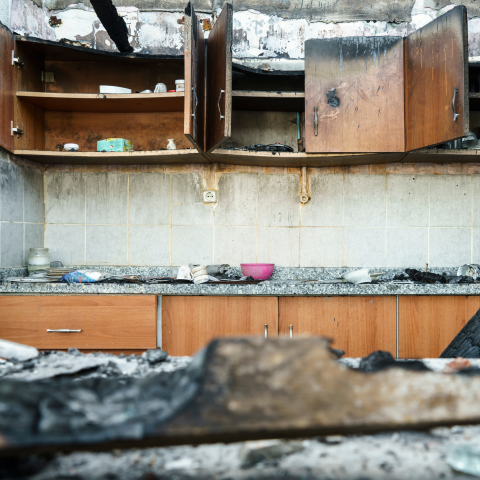
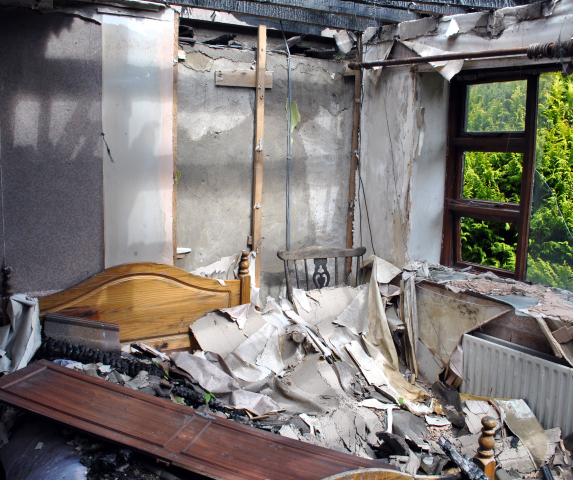
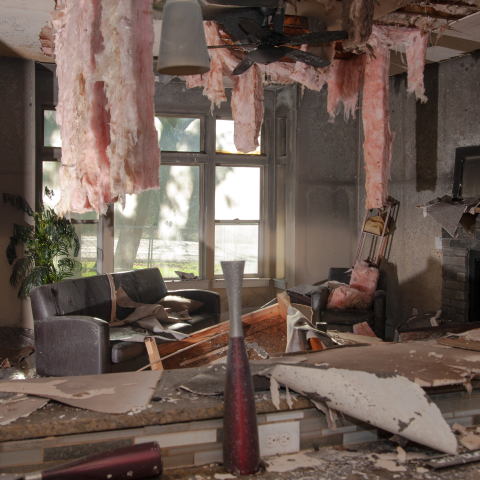
Denver's location along Colorado's Front Range, in an area known for severe weather, creates one of the most active storm environments in the United States. The metro area experiences intense hailstorms, powerful winds, and sudden heavy downpours annually, causing millions of dollars in property damage across the region. For Denver homeowners, storm damage is a matter of when, not if.
The actions you take immediately after a storm damages your home significantly affect the extent of the final damage, the safety of your family, and the success of your insurance claim and restoration process. This guide covers the essential steps every Denver homeowner should follow.
Step 1: Prioritize Safety After the Storm Passes
Personal safety must always come before property concerns. Before inspecting any damage, ensure that all family members are accounted for and safe. If structural damage appears severe, including sagging rooflines, leaning walls, or significant water intrusion, do not enter the building until professionals confirm it is safe.
Identifying Post-Storm Hazards
Several dangerous conditions commonly follow severe storms in Denver. Downed power lines present electrocution risks and should be avoided by at least 10 feet. Report downed lines to the utility company immediately. Standing water near electrical systems creates shock hazards. If basement flooding has occurred near the electrical panel, breaker box, or any outlets, do not enter the area until the electricity has been safely disconnected.
Gas leaks can result from storm damage to gas lines, meters, or appliances. If you smell gas or hear hissing sounds, evacuate immediately and call the gas company from a safe location. Do not use any electrical switches, phones, or anything that could create a spark.
Re-entry into a storm-damaged home should only occur once professionals have determined that the structure is safe. This precaution prevents injuries that would compound an already difficult situation.
Step 2: Document All Damage for Insurance Claims
Thorough documentation immediately after a storm creates the foundation for a successful insurance claim. The evidence you gather in the first hours after damage occurs is often the most valuable.
Photography and Video Evidence
Capture comprehensive visual documentation of all damage, both exterior and interior. Take wide-angle shots that show the overall scope of damage and close-up photographs that reveal specific details. Document damage from multiple angles to provide complete perspective.
Photograph the interior of every affected room, including ceilings, walls, floors, and any damaged personal property. If water is actively entering the building, video documentation is particularly effective at demonstrating the severity and urgency of the situation.
Creating a Damage Inventory
Create a detailed list of all damaged items including their approximate value, age, model numbers, and purchase receipts when available. This inventory supports your personal property claim and helps ensure that nothing is overlooked.
An important rule during this phase is to avoid discarding any damaged items until an insurance adjuster has had the opportunity to inspect them. Premature disposal of damaged materials can result in claim denials for those items.
Step 3: Initiate the Insurance Claim Process
Prompt communication with your insurance company sets the claims process in motion and demonstrates compliance with policy requirements.
Filing Your Claim
Contact your insurance company using their 24/7 claims hotline as soon as possible. Early reporting initiates faster queue processing for adjuster assignment and claim assessment. Have your policy number available and be prepared to describe the nature and extent of the damage.
Understanding Your Coverage
Take time to understand the specifics of your coverage before discussing settlement amounts. Know your coverage limits, deductible amounts, and any specific storm damage provisions in your policy. Some Colorado policies include separate wind and hail deductibles that differ from the standard deductible.
Documentation Practices
Maintain detailed records of all communication with your insurance company. Record the date, time, name of the person you spoke with, and a summary of every conversation. Save all correspondence, emails, and claim-related documents. This paper trail protects your interests throughout the claims process.
Step 4: Implement Temporary Protective Measures
Most insurance policies require policyholders to take reasonable steps to prevent additional damage after a covered loss. Failing to mitigate can result in reduced claim payments for damage that could have been prevented.
Board-Up and Tarping
Cover broken windows with plywood to prevent water intrusion and unauthorized entry. Apply heavy-duty tarps over damaged roof sections, securing them properly to withstand wind. These temporary measures protect the interior of your home while permanent repairs are planned and executed.
Water Management
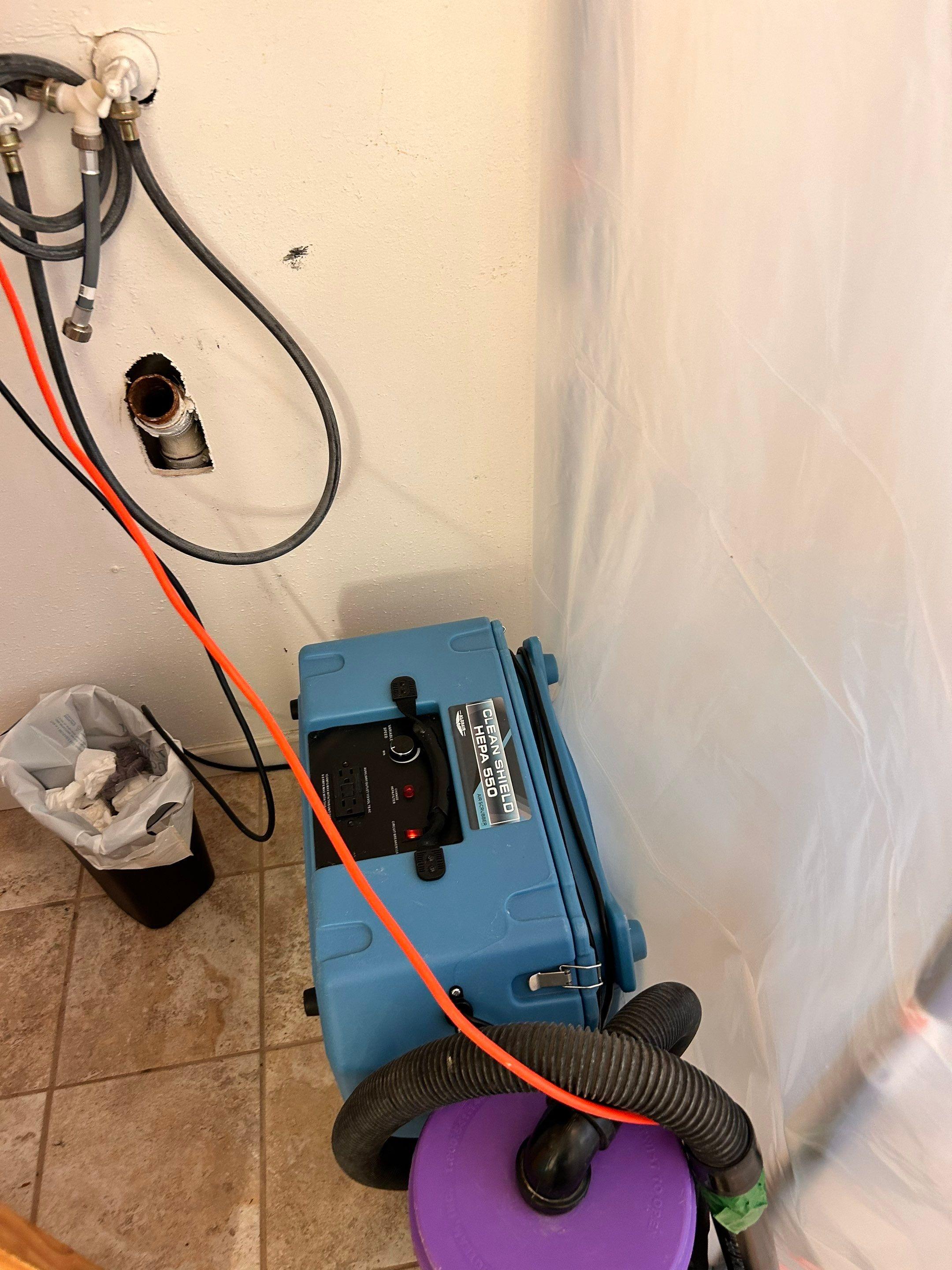
Remove standing water as quickly as possible using pumps, wet-dry vacuums, or buckets. Standing water causes rapid deterioration of flooring, drywall, and structural materials. Deploy fans, dehumidifiers, and open windows when weather permits to promote air circulation and drying.
Mold can begin growing within 24 to 48 hours in damp conditions, so aggressive moisture management in the early hours after storm damage is critical. The faster you can remove water and begin drying, the less likely mold will become an additional problem.
Saving Receipts
Keep all receipts for temporary repair materials, equipment rentals, and any emergency expenses. Insurance companies typically reimburse reasonable mitigation expenses, so these costs may be covered under your policy.
Step 5: Recognizing Common Denver Storm Damage Types
Understanding the specific types of damage that Denver storms cause helps homeowners identify problems that might otherwise be overlooked.
Hail Damage Indicators
Dents and dimples on asphalt shingles and metal roofing components are the most obvious hail damage signs. Check gutters for accumulated granules stripped from shingles by hail impact. Examine shingles for bruising, which appears as soft spots that compress under pressure. Look for dents on siding, deck surfaces, outdoor furniture, and vehicles.
Wind Damage Signs
Missing or loose shingles are the most visible wind damage indicators. Look for lifted or curled shingle edges that indicate compromised seal strips. Horizontal lines across shingles indicate areas where granules were scraped away by wind-lifted materials. Check for impact dents from flying debris on siding, windows, and gutters.
Water and Flood Indicators
Water stains on ceilings and walls indicate active leaks that need immediate attention. Persistent musty smells suggest mold growth from hidden moisture. Damaged flashing around roof penetrations such as chimneys, vents, and skylights is a common source of post-storm water intrusion. Sagging roof decks or wet insulation visible from the attic indicate significant water accumulation.
The Critical Role of Professional Assessment
While homeowner inspections are an important first step, professional assessment identifies damage that untrained eyes consistently miss.
What Professionals Find That Homeowners Miss
Roof substrates that appear intact from the ground may have significant damage visible only during a hands-on inspection. Structural issues in framing, trusses, and load-bearing walls require trained evaluation. Moisture trapped in wall cavities, beneath flooring, and above ceilings requires specialized detection equipment including moisture meters and thermal imaging cameras.
Insurance Documentation Benefits
Professional inspection reports provide the detailed, authoritative documentation that insurance companies require for claim processing. These reports include specific measurements, moisture readings, photographic evidence, material assessments, and professional opinions about the scope of required repairs.
Restoration companies experienced in insurance work understand exactly what documentation adjusters need and how to present damage assessments in a format that facilitates efficient claim processing. This professional advocacy often results in more comprehensive claim approvals compared to homeowner-filed claims without professional support.
Working with Professional Restoration Services
After documenting damage and filing your insurance claim, engaging a professional restoration company is the next essential step. Professional teams bring the equipment, expertise, and processes needed to address storm damage thoroughly and efficiently.
Emergency Stabilization Services
Professional restoration companies provide 24/7 emergency services including roof tarping, board-up, water extraction, and emergency drying. These services prevent additional damage and create stable conditions for the full restoration process.
Complete Restoration
Professional storm damage restoration addresses every aspect of the damage from structural repairs to cosmetic finishes. Experienced teams coordinate with insurance adjusters, manage permits and inspections, and ensure that all work meets current building codes.
Direct Insurance Coordination
Most professional restoration companies work directly with insurance providers, handling documentation, adjuster coordination, and supplemental claim filing. This coordination reduces the burden on homeowners during an already stressful time and helps ensure that claims cover the full scope of necessary repairs.
Planning for Denver's Next Storm
Denver's weather will continue to produce storms that threaten properties throughout the metro area. Proactive planning reduces the impact of future events. Maintain your roof with regular inspections and prompt repair of any damage. Keep trees trimmed away from your home to reduce debris risk during wind events. Ensure your insurance coverage is adequate and current, with appropriate endorsements for your specific risk factors. Identify a trusted restoration company before an emergency forces you to search under pressure.
Need Professional Help?
Our team is available 24/7 for emergencies. Call now for immediate assistance.
Frequently Asked Questions
Contact your insurance company as soon as it is safe to do so, using their 24/7 claims hotline. Early reporting initiates faster claim processing and demonstrates compliance with policy requirements.
Denver properties commonly experience hail damage causing dents and structural compromise, high wind damage including missing shingles and debris impact, and water damage from heavy rainfall causing intrusion and flooding.
Yes. Safe temporary repairs like tarping damaged roofs and boarding broken windows are encouraged and often required by insurance policies. Keep all receipts as these costs may be reimbursable. However, avoid extensive or unsafe repairs that require professional equipment.
Look for granule accumulation in gutters, soft spots on shingles, and interior water stains. Professional inspection with thermal imaging and moisture meters is the most reliable way to detect hidden hail damage.
Hidden damage such as compromised roof underlayment, trapped moisture in wall cavities, and structural stress can escalate minor storm damage into major problems including mold growth and wood rot if not professionally identified and addressed.