How Can Denver Business Owners Minimize Downtime After Fire Damage?
Fire can halt business operations suddenly. Learn how Denver business owners can minimize downtime through rapid response, professional restoration, and structured recovery planning.
Understanding the True Cost of Fire-Related Business Downtime
Fire damage to a commercial property extends far beyond the visible destruction. For Denver business owners, every day of closure translates to lost revenue, ongoing employee wages without corresponding productivity, potential contract penalties, and erosion of customer trust built over years. Understanding the full cost of downtime is the first step toward minimizing it through strategic planning and rapid professional intervention.
Why Fires Disrupt Business Operations So Severely
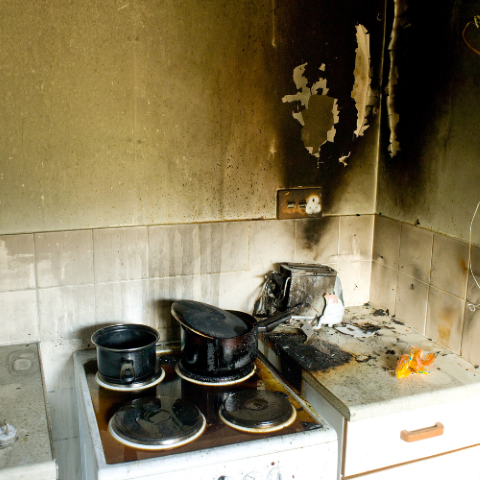
The damage from a commercial fire goes well beyond what flames directly touch. Smoke and soot contaminate surfaces throughout the building, often reaching areas far from the fire's origin through HVAC systems and natural air circulation. Water used during firefighting saturates materials, creating secondary damage that can be as extensive as the fire itself. Electrical systems, plumbing, HVAC units, and structural components all require professional evaluation before the building can safely reopen.
Attempting to resume operations prematurely without proper assessment creates serious liability risks for business owners and puts employees and customers in potential danger.
The Importance of Immediate Action After a Commercial Fire
The first actions taken after a commercial fire significantly influence the total recovery timeline. Securing the property through professional board-up services prevents weather damage and vandalism. Removing standing water quickly limits moisture penetration into structural materials. Addressing smoke residue before it becomes corrosive protects surfaces, equipment, and inventory that might otherwise be salvageable.
Every hour of delay allows secondary damage to compound. Soot left on metal surfaces begins corroding within hours. Water that sits in wall cavities promotes mold growth within 24 to 48 hours. What starts as manageable damage can escalate into a much larger and more expensive restoration project.
How Professional Fire Restoration Supports Business Continuity
Professional restoration teams understand that for commercial clients, speed is directly tied to financial survival. Experienced teams prioritize critical systems including electrical, plumbing, and structural safety to enable partial reopening when feasible. This phased approach reduces total downtime by allowing unaffected portions of the business to resume operations while restoration continues in damaged areas.
Key Steps in Commercial Fire Recovery
Comprehensive Damage Assessment and Planning
A thorough initial assessment establishes the full scope of work and creates a realistic timeline for recovery. This assessment covers structural integrity, smoke and soot penetration, water damage from firefighting, and the condition of building systems. The resulting plan prioritizes work that enables the fastest safe return to operations.
Water Removal and Professional Drying
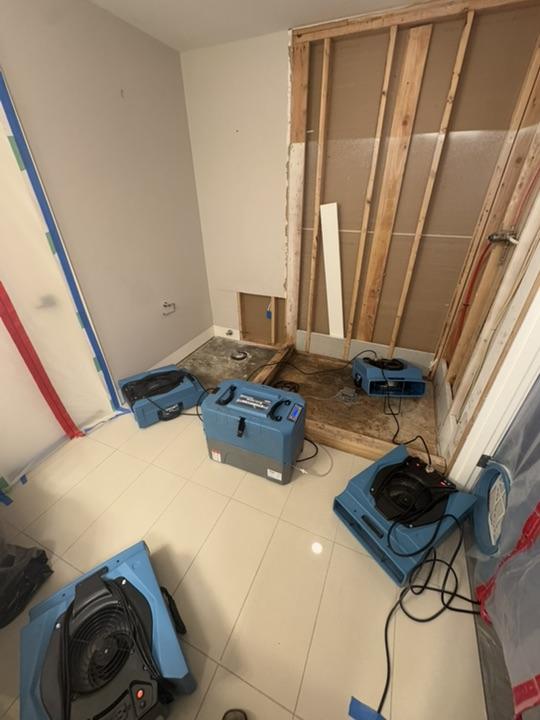
Firefighting water must be extracted and affected areas dried using industrial equipment. Professional-grade air movers, dehumidifiers, and monitoring equipment ensure that moisture levels return to safe thresholds before reconstruction begins. Skipping this step leads to mold problems and material failures down the road.
Smoke and Soot Cleanup
Smoke residue requires specialized cleaning methods that vary based on the type of fire, the materials burned, and the surfaces affected. Professional teams use appropriate cleaning agents, techniques, and equipment to remove contamination without causing additional damage. Advanced deodorization eliminates persistent smoke odors that would otherwise make the space unpleasant for employees and customers.
Repairs and Reconstruction
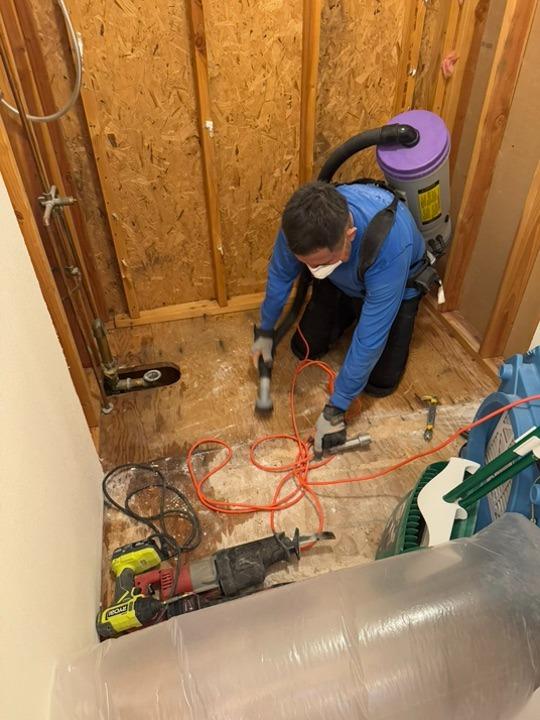
The final phase involves repairing structural damage, replacing unsalvageable materials, and restoring the space to its pre-loss condition. Coordinated scheduling ensures that trades work efficiently without creating bottlenecks that extend the timeline.
Planning Ahead to Reduce Future Downtime
Denver business owners who develop emergency response plans before disaster strikes recover significantly faster than those who do not. Effective plans include evacuation procedures, emergency contact lists for key vendors and restoration providers, procedures for securing the property, and protocols for communicating with employees and customers.
Pre-established relationships with restoration providers enable faster response. When a fire occurs, there is no time wasted searching for a qualified company, negotiating terms, or explaining your business needs. The restoration team already understands your property and can mobilize immediately.
The Role of Insurance in Business Fire Recovery
Understanding your insurance policy before a fire occurs prevents costly surprises during the claims process. Business owners should know their coverage limits, deductible amounts, and whether they carry business interruption insurance that offsets lost income during the closure period.
Restoration professionals frequently assist with insurance documentation, providing detailed damage reports, photographic evidence, and cost estimates that support the claims process. This coordination helps ensure that claims are processed efficiently and that business owners receive appropriate compensation.
Industry-Specific Recovery Considerations
Different types of businesses face unique challenges during fire recovery.
Retail and Hospitality
Customer-facing businesses must restore not just the physical space but also the brand experience. Fast restoration protects customer relationships and prevents competitors from capturing market share during an extended closure.
Industrial and Warehouse Facilities
Equipment cleaning, facility stabilization, and supply chain continuity are primary concerns. Specialized cleaning and calibration services may be needed for manufacturing equipment and inventory.
Offices and Professional Services
Data security, technology infrastructure, and workspace functionality drive priorities. Protecting sensitive documents, restoring IT systems, and creating functional workspaces enable remote work transitions while the primary space is restored.
Denver's Climate and Its Impact on Fire Recovery
Denver's semi-arid climate creates both advantages and challenges for fire restoration. Dry air aids the drying process for water-damaged materials but can allow smoke odors to persist without specialized treatment. Cold winter temperatures may slow certain repair activities or require temporary heating solutions to maintain appropriate conditions for construction materials.
Understanding these local factors helps restoration teams plan more accurately and avoid weather-related delays.
Why Delays Compound Fire Damage
Postponing restoration after a commercial fire is one of the most expensive decisions a business owner can make. Soot residue becomes increasingly difficult and costly to remove as it bonds with surfaces. Moisture from firefighting water spreads further into structural materials. Building components that might have been salvageable with prompt treatment may require full replacement after even a short delay.
What begins as a partial closure can quickly become a complete shutdown when secondary damage reaches areas that were initially unaffected.
Communication as a Recovery Tool
Regular, transparent communication with employees, customers, vendors, and insurance providers helps businesses navigate the recovery period more effectively. Employees who understand the timeline and their role in the recovery process maintain higher morale and are more likely to remain with the company. Customers who receive honest updates about reopening plans maintain their loyalty and patience.
Choosing the Right Commercial Restoration Partner in Denver
The restoration company you select directly impacts how quickly and effectively your business recovers. Key criteria include experience with commercial properties similar to yours, deep knowledge of Denver building codes and local conditions, the ability to scale resources rapidly for large projects, and transparent communication with realistic timelines.
Supporting Employees During the Recovery Process
Employees are a business's most valuable asset, and their needs during a fire recovery deserve careful attention. Clear communication about the situation, expected timeline, and their employment status during the closure period maintains morale and reduces turnover. Involving key staff members in recovery planning helps them feel invested in the outcome and provides valuable operational insights.
Technology and Tools That Speed Commercial Restoration
Modern restoration companies employ advanced technology to accelerate recovery. Moisture meters identify hidden water damage without destructive testing. Air scrubbers improve indoor air quality during cleanup. Thermal imaging cameras reveal temperature differentials that indicate trapped moisture behind walls and above ceilings. These tools improve accuracy, reduce guesswork, and enable faster completion of each restoration phase.
Long-Term Strategies for Fire Resilience
After recovery is complete, Denver business owners should take steps to strengthen their resilience against future incidents. This includes upgrading fire suppression systems, improving building materials and construction methods, revising emergency response plans based on lessons learned, and reviewing insurance coverage to ensure adequate protection.
Need Professional Help?
Our team is available 24/7 for emergencies. Call now for immediate assistance.
Frequently Asked Questions
Restoration should begin as soon as the property is safe to enter. Early action limits secondary damage from smoke residue, water, and weather exposure, reducing both the scope of work and total recovery time.
Partial operations are sometimes possible if unaffected areas of the building can be safely isolated from restoration work zones. A phased approach allows some business functions to resume while restoration continues elsewhere.
Timelines vary significantly based on damage severity, building size, and required repairs. Minor damage may be resolved in a few weeks, while major fires affecting large commercial spaces can take several months.
Yes. Professional fire restoration addresses all fire-related damage including smoke and soot contamination, water damage from firefighting efforts, structural repairs, and odor elimination.
Develop comprehensive emergency response plans, maintain fire suppression systems, establish relationships with restoration providers before an emergency, and ensure insurance coverage is adequate and current.