The Fire Damage Restoration Process: Step-by-Step Guide
Fire damage restoration is a complex, multi-phase process that goes far beyond simply cleaning up debris. This step-by-step guide walks you through every stage from emergency response and assessment through smoke removal, structural repair, content restoration, and complete rebuild.
Understanding the Fire Damage Restoration Process
A house fire is one of the most devastating events a homeowner can experience. Beyond the immediate destruction caused by flames, the secondary damage from smoke, soot, water used in firefighting, and exposure to the elements through compromised roofing and walls can exceed the damage caused by the fire itself. Understanding the fire damage restoration process helps homeowners navigate this overwhelming situation with realistic expectations about timelines, costs, and the work involved in returning a fire-damaged property to its pre-loss condition.
The fire damage restoration process is not a single operation but a carefully sequenced series of phases, each of which must be completed properly before the next can begin. Rushing or skipping steps invariably leads to problems later, from persistent smoke odors that permeate rebuilt areas to hidden structural damage that compromises safety. A professional restoration company manages all of these phases in coordination, serving as the single point of accountability for the entire project.
Phase 1: Emergency Response and Safety Assessment
The restoration process begins the moment the fire department clears the scene and allows access. The first priority is securing the property and assessing whether it is safe to enter.
Initial Safety Evaluation
A qualified restoration contractor conducts an initial walkthrough to identify immediate hazards. These include structural instability from fire-weakened framing, compromised floors or stairways, electrical hazards from damaged wiring, and potential exposure to asbestos or other hazardous materials disturbed by fire damage. In older Denver homes built before 1980, fire damage frequently disturbs asbestos-containing materials in insulation, flooring, and textured ceilings, requiring specialized abatement before general restoration work can proceed.
Utility Assessment
Gas, electrical, and water services must be assessed and either safely restored or disconnected. The fire department typically shuts off utilities at the scene, but a qualified professional must verify that damaged gas lines, electrical circuits, and plumbing are safe before any services are restored. Electrical systems in fire-damaged areas must be evaluated by a licensed electrician before power is reconnected.
Communication with Insurance
Contact your insurance company as soon as possible to report the loss and initiate the claims process. Your insurer will assign an adjuster who will inspect the property and develop a scope of covered repairs. Having your restoration contractor present during the adjuster's inspection ensures that all damage is properly documented, including secondary damage that may not be immediately visible.
Phase 2: Board-Up and Tarping
Securing the property against further damage is a time-critical priority that should happen within hours of the fire being extinguished.
Structural Securing
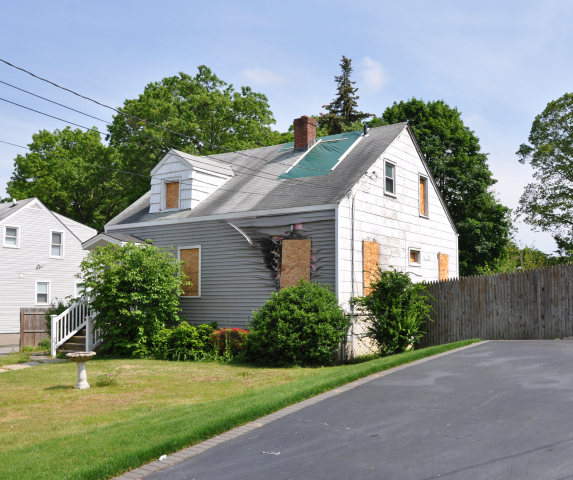
Windows broken by heat or firefighting activities are covered with plywood sheeting. Doors that no longer close or lock are secured or replaced with temporary barriers. Any openings in the building envelope that expose the interior to weather, animals, or unauthorized entry are sealed. This board-up work prevents additional damage from rain, snow, wind, and temperature extremes, and reduces the risk of vandalism or theft from a visibly damaged property.
Roof Tarping
Fire damage to roofing materials, or holes cut by firefighters for ventilation during the fire, must be covered with heavy-duty tarps secured against wind. In Denver, where sudden weather changes can bring heavy rain, hail, or snow at almost any time of year, prompt roof tarping is critical. Water damage from precipitation entering through a compromised roof can double the total restoration cost and dramatically extend the project timeline.
Fencing and Access Control
For severely damaged properties, temporary fencing around the perimeter controls access and establishes a defined work zone. This protects the public from hazards on the property and protects the property from unauthorized entry.
Phase 3: Water Removal and Drying
Virtually every fire-damaged property also has significant water damage from firefighting efforts. The water used to extinguish the fire saturates building materials, furnishings, and personal belongings, and must be removed and dried before restoration can proceed.
Extraction
Standing water is removed using the same extraction equipment used in water damage restoration. Truck-mounted and portable extraction units remove water from flooring, carpets, and other saturated materials. The water from firefighting is typically classified as Category 2 or "gray water" due to contamination from dissolved fire debris, chemicals, and ash.
Structural Drying
Industrial dehumidifiers and air movers are positioned to dry the structure. Moisture meters and thermal imaging cameras guide equipment placement and track drying progress. This phase typically takes 3 to 5 days depending on the volume of water, the materials involved, and the ambient conditions. In Colorado's dry climate, structural drying often proceeds efficiently once water extraction is complete, but enclosed wall cavities and multi-layer floor assemblies still require sustained drying effort.
Phase 4: Smoke and Soot Removal
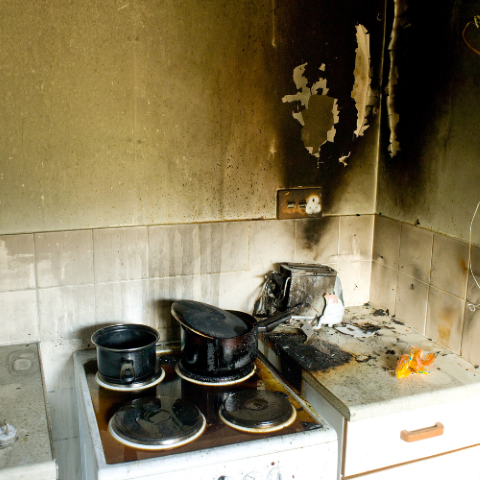
Smoke and soot damage extends far beyond the areas directly affected by flames. Smoke travels through HVAC systems, migrates through wall cavities, and deposits soot on surfaces in every room of the house, including rooms that show no evidence of direct fire exposure. This phase is technically demanding and requires specialized knowledge of different soot types and the cleaning methods each requires.
Types of Soot and Their Challenges
Dry soot results from fast-burning, high-temperature fires fueled by wood and paper. It is powdery and relatively easy to remove with HEPA vacuuming and dry sponge techniques. Wet or oily soot results from slow-burning, low-temperature fires fueled by plastics, rubber, and petroleum-based materials. This type of soot is sticky, smeared, and much more difficult to remove. Protein-based soot from kitchen fires is nearly invisible but produces intense odors that are extremely difficult to eliminate. Each soot type requires specific cleaning approaches, and using the wrong technique, such as wiping dry soot with a wet cloth, can permanently drive contamination deeper into the material.
Surface Cleaning
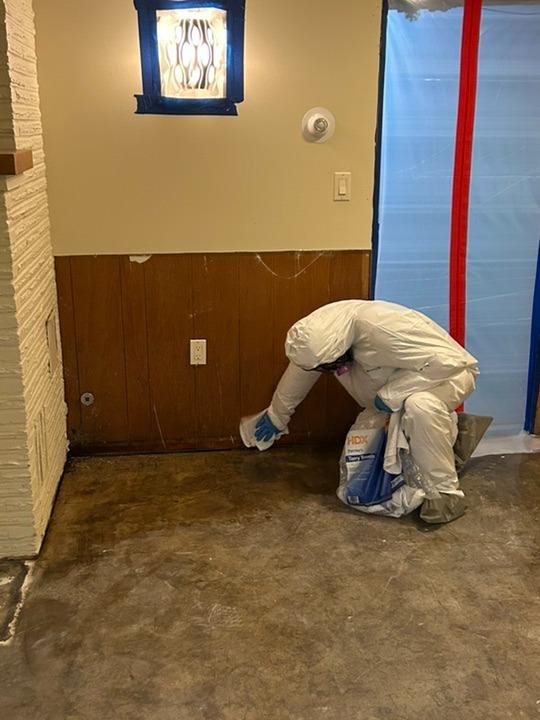
All affected surfaces are cleaned using techniques appropriate to the soot type and the material being cleaned. Hard surfaces are cleaned with specialized soot-removing solutions. Textiles, upholstery, and soft goods may be cleaned on-site or transported to a specialized cleaning facility. Electronics, documents, photographs, and other sensitive items require specialized handling and cleaning protocols.
HVAC System Cleaning
The HVAC system must be thoroughly cleaned and decontaminated before it can be operated. Smoke and soot drawn into the system during the fire deposit contamination throughout the ductwork, on the blower assembly, and on the evaporator coil. Running the system without cleaning it first distributes soot and smoke odor throughout the entire house, contaminating areas that may have been clean.
Odor Elimination
Smoke odor is one of the most persistent and difficult aspects of fire damage restoration. Surface cleaning removes the visible soot, but odor molecules penetrate deeply into porous materials and can persist for months or years without proper treatment.
Professional odor elimination uses multiple technologies. Thermal fogging disperses a deodorizing agent as a heated fog that penetrates the same pathways smoke traveled, neutralizing odor at the molecular level. Hydroxyl generators produce hydroxyl radicals that break down volatile organic compounds responsible for smoke odor. Ozone generators oxidize odor molecules but must be used with caution as ozone is harmful to occupants and must be applied in unoccupied spaces. Often a combination of these technologies is required to achieve complete odor elimination.
Phase 5: Structural Assessment and Repair
Once the property is cleaned, dried, and decontaminated, a thorough structural assessment determines what must be replaced and what can be retained.
Engineering Evaluation
For fires that affected structural components, a licensed structural engineer evaluates the integrity of the framing, load-bearing walls, floor systems, and roof structure. Fire degrades the strength of wood framing and can compromise steel connectors, joist hangers, and fasteners. The engineer's report guides the restoration scope and ensures that the rebuilt structure meets current building code requirements.
Selective Demolition
Materials that are structurally compromised, permanently stained, or too deeply contaminated by smoke to be effectively cleaned are removed. This demolition is selective rather than wholesale, preserving materials that can be safely retained and reducing both cost and waste. Fire-damaged drywall, insulation, flooring, and cabinetry are typically removed, while structural framing that passes engineering evaluation may be cleaned, treated, and retained.
Framing and Structural Repair
Damaged framing members are sistered, reinforced, or replaced according to the engineering specifications. New framing is constructed to meet current building code, which may differ from the original construction standards. This is particularly relevant in older Denver homes where original construction may predate modern seismic, energy, and fire safety requirements.
Phase 6: Content Cleaning and Restoration
Personal belongings, furniture, and household items that survived the fire require professional cleaning and restoration. This work often occurs in parallel with structural restoration.
Pack-Out and Inventory
Restorable contents are carefully inventoried, documented with photographs, and packed for transport to a cleaning and restoration facility. The detailed inventory serves both as a tracking system for the restoration company and as documentation for the insurance claim. Items that are clearly beyond restoration are documented for the insurance claim and disposed of properly.
Specialized Cleaning
Different categories of belongings require different cleaning approaches. Soft goods such as clothing, linens, and draperies are processed through specialized laundering and ozone treatment. Hard goods are cleaned with appropriate solvents and techniques. Electronics are evaluated for damage and either cleaned or declared a loss. Documents, photographs, and artwork receive specialized conservation treatment where restoration is feasible.
Storage
During the restoration period, which can extend for several months in cases of significant fire damage, cleaned contents are stored in climate-controlled facilities. This protects restored items from further damage and keeps them out of the construction zone until the home is ready for move-in.
Phase 7: Reconstruction and Rebuild
The final phase transforms the cleaned, dried, and structurally repaired shell back into a livable home. This phase closely resembles new construction and involves all the standard building trades.
Permits and Code Compliance
Reconstruction typically requires building permits from the local jurisdiction. In Denver and surrounding municipalities, permits trigger code compliance requirements that may necessitate upgrades beyond simply replacing what was there before. Common upgrades include updated electrical panels, GFCI and AFCI protection, improved egress windows, enhanced insulation, and updated plumbing fixtures.
Systems Installation
Electrical, plumbing, and HVAC systems are installed or repaired according to current code requirements. Insulation is installed in wall cavities, floors, and the ceiling or roof assembly. These installations are inspected by the local building department before walls are closed.
Finish Work
Drywall installation, taping, and finishing restore wall and ceiling surfaces. Flooring, cabinetry, countertops, trim, and paint transform the space from a construction zone back into a home. Fixtures, appliances, and hardware are installed. Each finish is selected to match the pre-loss condition or, where the homeowner chooses to upgrade, to meet the new specification.
Final Inspection and Walkthrough
The restoration contractor conducts a detailed walkthrough with the homeowner to verify that all work meets the agreed scope and quality standards. The local building department conducts a final inspection to verify code compliance. Any punch-list items are addressed, cleaned, and the home is prepared for occupancy. In Denver, NuBilt Restoration and Construction manages every phase from emergency response through final walkthrough, providing a single point of contact throughout the entire process.
Timeline Expectations for Fire Damage Restoration
Minor fire damage affecting a single room with limited smoke spread may be restored in 2 to 4 weeks. Moderate damage affecting multiple rooms with significant smoke and water damage typically requires 2 to 4 months. Major structural fires that require substantial demolition and reconstruction can take 6 to 12 months or longer. These timelines include both the remediation and reconstruction phases and assume that insurance approvals, permits, and material availability proceed without unusual delays.
Need Professional Help?
Our team is available 24/7 for emergencies. Call now for immediate assistance.
Frequently Asked Questions
The timeline depends on the severity of the damage. Minor fire damage confined to a single room with limited smoke spread can be restored in 2 to 4 weeks. Moderate damage affecting multiple rooms typically takes 2 to 4 months. Major structural fires requiring substantial rebuilding can take 6 to 12 months or longer. These timelines include remediation, reconstruction, and assume normal processing of insurance approvals and building permits.
Yes, professional smoke odor elimination can completely remove smoke smell using a combination of specialized technologies. Surface cleaning removes visible soot and contamination. Thermal fogging penetrates porous materials to neutralize odor at the molecular level. Hydroxyl generators and ozone treatments break down the volatile organic compounds responsible for lingering smoke odor. The specific approach depends on the soot type, materials affected, and severity of the smoke exposure.
Yes, standard homeowners insurance policies typically cover fire damage restoration including structural repairs, smoke and soot cleanup, water damage from firefighting, content cleaning and replacement, and additional living expenses while your home is being restored. Coverage limits, deductibles, and specific exclusions vary by policy. Contact your insurance agent promptly after a fire and have your restoration contractor present during the adjuster inspection to ensure all damage is properly documented.
No, you should avoid attempting cleanup before professionals assess the property. Incorrect cleaning techniques can permanently set soot stains into materials, spread contamination to unaffected areas, and eliminate the possibility of restoring items that a professional could have saved. Additionally, fire-damaged structures may contain hidden hazards including compromised framing, damaged electrical wiring, and disturbed asbestos-containing materials that require professional evaluation before anyone enters the building.