The Categories and Classes of Water Damage
Water damage is classified by both categories (water cleanliness) and classes (evaporation rate). Understanding these distinctions helps you know when to call a professional and what to expect from restoration.
Understanding Water Damage Classifications
When water damage strikes your Denver home, restoration professionals do not treat every situation the same way. The water damage industry uses two distinct classification systems to assess and plan restoration efforts. Understanding these classifications helps homeowners make informed decisions about their response, communicate effectively with restoration teams and insurance adjusters, and understand why certain situations require professional intervention.
The two systems work together: Classes describe the extent of water damage and the dehumidification requirements needed for restoration, while Categories describe the cleanliness and potential health hazards of the water involved. Together, these classifications determine the equipment needed, the safety protocols required, and the overall scope and cost of the restoration project.
Classes of Water Damage
The class system measures how much water is present, how deeply it has penetrated building materials, and the evaporation rate that restoration equipment must overcome. Higher classes require more powerful equipment, longer drying times, and more specialized techniques.
Class 1: Slow Evaporation Rate
Class 1 represents the least severe water damage scenario. In a Class 1 event, water has affected only a small area of the room, with minimal absorption into building materials. Carpet saturation, if present, is limited to a small section. Walls may show slight moisture along the base, but water has not wicked significantly into drywall or other porous materials.
This is the type of damage that might result from a small appliance leak or a minor supply line drip caught relatively quickly. Class 1 damage typically involves the least amount of restoration equipment and the shortest drying times. In many cases, a single dehumidifier and a few air movers can effectively dry the affected area within a day or two. Denver's naturally low humidity can actually work in your favor with Class 1 damage, helping accelerate the drying process.
Class 2: Fast Evaporation Rate
Class 2 water damage represents a significant step up in severity. In this scenario, water has affected an entire room or large section of a room. Water has wicked up walls to a height of 24 inches or less, and carpet and cushion throughout the affected area are saturated. Structural materials have absorbed a significant amount of moisture.
This level of damage typically results from a larger event like a water heater failure, a burst supply line that ran for an extended period, or significant storm water intrusion. Class 2 damage requires substantially more drying equipment and careful monitoring to ensure complete moisture removal. Multiple commercial dehumidifiers and air movers positioned strategically throughout the space are necessary. Drying typically takes three to five days, and moisture readings must be carefully tracked to prevent mold growth.
Class 3: Fastest Evaporation Rate
Class 3 is among the most challenging water damage scenarios because water has come from overhead sources, saturating ceilings, walls, insulation, carpet, and subfloor materials. This classification combines the widespread floor-level saturation of Class 2 with the added complexity of ceiling and upper wall saturation.
Common causes of Class 3 damage include second-floor plumbing failures that send water cascading down through ceilings, roof damage during severe storms, and fire sprinkler system activation. The overhead water source means that virtually every building material in the affected area—from ceiling drywall and insulation to wall framing and flooring—has been exposed to water. Restoration requires maximum dehumidification capacity with equipment positioned to address moisture at every level of the affected space.
Class 4: Specialty Drying Situations
Class 4 represents unique and extreme situations that require specialized drying equipment and techniques beyond standard restoration methods. This classification applies when water has saturated materials with very low porosity or permeability—materials that absorb water slowly but also release it extremely slowly.
Examples include hardwood flooring that has absorbed deep moisture, plaster walls that have become saturated, concrete floors and walls holding significant water content, stone surfaces and dense structural materials, and subfloor systems with multiple layers. Class 4 situations require specialty drying equipment that can create low-humidity, high-temperature conditions to coax moisture out of these dense materials without causing additional damage. Desiccant dehumidifiers, heat drying systems, and extended monitoring periods are typically necessary. These projects can take significantly longer than other classes and require the most experienced technicians.
Categories of Water Damage
While classes describe the extent of water penetration, categories describe the source and condition of the water itself. This classification is critical because it determines the health risks involved and the safety protocols restoration teams must follow.
Category 1: Clean Water
Category 1 water originates from a sanitary source and poses no substantial health risk if contacted or consumed. Common sources include broken water supply lines, tub or sink overflows with no contaminants, falling rainwater that has not contacted other surfaces, and melting ice or snow entering the structure.
While Category 1 water starts clean, it is important to understand that water can degrade over time. Clean water sitting in contact with building materials for extended periods can pick up contaminants and eventually degrade to Category 2 or even Category 3. This is one reason why swift response to any water damage event is critical, regardless of the water source.
Category 1 damage with a low class rating (Class 1 or 2) represents the scenario most feasible for homeowner-managed drying, though professional equipment and monitoring still produce the best results. In Denver's dry climate, small Category 1 events may dry more readily, but hidden moisture pockets behind walls and under flooring still require professional detection.
Category 2: Grey Water
Category 2 water, commonly called grey water, contains significant levels of contamination that may cause discomfort or illness if contacted or consumed. This water may carry micro-organisms, chemicals, and other forms of contamination that create health risks during restoration.
Common sources of grey water include dishwasher or washing machine discharge, toilet overflow with urine but no feces, sump pump failures, and aquarium or waterbed leaks. Grey water requires more extensive safety precautions during restoration, including personal protective equipment for workers, antimicrobial treatments for affected materials, and in some cases, removal and replacement of porous materials that cannot be adequately sanitized.
Like Category 1, grey water can degrade over time. If Category 2 water is not addressed promptly, bacterial growth and chemical reactions can elevate it to Category 3, significantly increasing health risks and restoration complexity.
Category 3: Black Water
Category 3 water is grossly unsanitary and contains pathogenic agents that create serious health risks. This is the most dangerous water damage classification, and exposure can cause severe illness. Black water sources include sewage backup from sanitary sewer lines, flooding from rivers, streams, or storm water that has contacted ground surfaces, and any water that has been standing long enough to support bacterial growth and pathogen development.
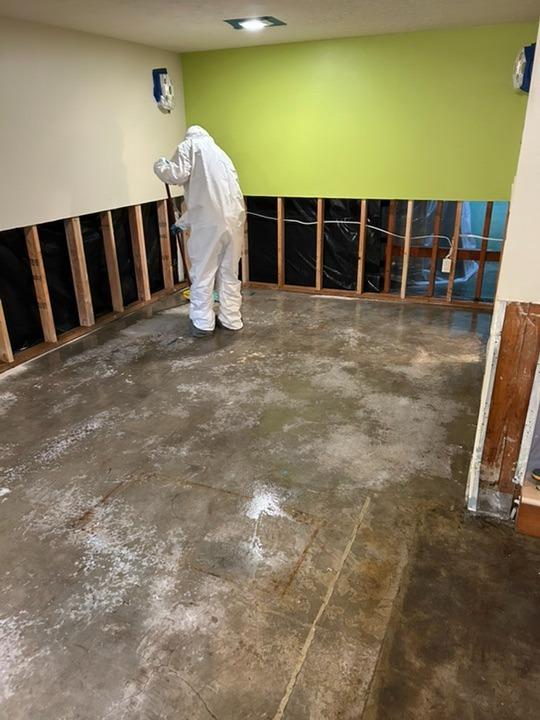
Category 3 water damage requires the most stringent safety protocols and extensive restoration procedures. Porous materials contacted by black water—including drywall, insulation, carpet, carpet padding, and unsealed wood—typically must be removed and replaced rather than restored. Structural materials must undergo thorough disinfection, and air quality testing is often necessary before the space is considered safe for occupancy.
Knowing When to Call Professionals
While minor Class 1, Category 1 events may be manageable for homeowners who act quickly and have appropriate equipment, any situation involving higher classifications should be handled by certified restoration professionals. The risks of inadequate drying, missed moisture pockets, and health hazards from contaminated water make professional restoration a wise investment.
In Denver, NuBilt provides comprehensive water damage restoration for all classes and categories. Our IICRC-certified technicians assess the specific classification of your water damage event and deploy the appropriate equipment and protocols to ensure complete, safe restoration. Understanding these classifications helps you communicate with your restoration team and insurance company, ensuring you receive the appropriate level of service for your specific situation.
Need Professional Help?
Our team is available 24/7 for emergencies. Call now for immediate assistance.