Sump Pump Failure and Basement Flooding: Prevention and Response Guide for Denver Homeowners
A failed sump pump is one of the most common causes of basement flooding in Denver homes. This guide covers why sump pumps fail, how to prevent failures, backup system options, and the immediate steps to take when flooding occurs.
Why Sump Pump Failures Are a Major Concern for Denver Homeowners
Basement flooding from sump pump failure ranks among the most common and most preventable water damage events in Denver residential properties. The Denver metro area sits on clay-heavy soil that expands significantly when saturated, directing groundwater toward home foundations during spring snowmelt and summer thunderstorms. Sump pumps serve as the primary defense against this hydrostatic pressure, continuously removing water that collects in the sump basin before it can rise above the basement floor level.
When a sump pump fails during a heavy water event, the results are often catastrophic. Water can rise several inches per hour in a basement with active groundwater pressure, saturating carpet, drywall, stored belongings, and mechanical systems before the homeowner even realizes there is a problem. The average basement flood from sump pump failure costs between 5,000 and 25,000 dollars to remediate depending on the depth of water, duration of exposure, and materials affected.
Denver's unique climate patterns make sump pump reliability even more critical than in many other markets. Spring snowmelt in March and April generates sustained groundwater pressure that can last for weeks. Summer monsoon storms drop large volumes of rain in short periods, overwhelming drainage systems. And winter freeze-thaw cycles can damage sump pump discharge lines, causing backup flooding when water cannot exit the system even though the pump is running.
Common Causes of Sump Pump Failure
Understanding why sump pumps fail helps homeowners take proactive steps to prevent the most common failure modes.
Power Outages
The most frequent cause of sump pump failure during storms is also the most predictable: power outages. Heavy rain, lightning, and high winds can knock out electrical service precisely when the sump pump is needed most. A standard sump pump with no backup power system is completely useless during an outage, and storms intense enough to cause flooding are also intense enough to disrupt utility service. In Denver, summer thunderstorms frequently produce both heavy rainfall and power interruptions simultaneously.
Mechanical Wear and Motor Burnout
Sump pumps have a finite lifespan. Most residential models last between 7 and 10 years with proper maintenance, though pumps in high-activity basins may wear out sooner. The motor can burn out from continuous operation during extended wet periods, the impeller can wear down reducing pumping capacity, and the float switch mechanism can degrade or become stuck. Homeowners who have not replaced their sump pump within the last decade are operating on borrowed time.
Float Switch Malfunction
The float switch tells the pump when to activate by detecting rising water levels in the basin. These switches can malfunction in several ways. They can become tangled with the pump housing or discharge pipe, preventing them from rising with the water level. Debris in the sump basin can obstruct the switch mechanism. Over time, the switch contacts corrode or the mechanical linkage wears out. A stuck float switch means the pump will not activate regardless of water level.
Frozen or Blocked Discharge Lines
In Denver winters, the discharge pipe that carries water from the pump to the exterior can freeze, creating a complete blockage. The pump runs normally but water has nowhere to go, causing it to recirculate in the basin or back up into the basement. Discharge lines can also become blocked by debris, ice, or animal nests at the exterior outlet. When the pump motor runs but water is not being expelled from the house, the discharge line is the first thing to check.
Overwhelmed Capacity
Even a properly functioning sump pump can fail if the incoming water volume exceeds the pump's capacity. A standard one-third horsepower residential pump handles approximately 2,500 gallons per hour. During extreme weather events, groundwater infiltration can exceed this rate, especially in homes with inadequate exterior drainage or older foundation waterproofing. If your pump runs continuously without cycling off and the water level continues to rise, the pump is overwhelmed.
Improper Installation
Sump pumps that were installed without a check valve on the discharge line lose efficiency with every cycle. When the pump shuts off, water remaining in the vertical discharge pipe flows back into the basin, forcing the pump to re-pump the same water repeatedly. This increases wear on the motor and reduces the effective pumping capacity. Other installation issues include basins that are too small, pumps positioned on basin debris instead of a stable platform, and discharge lines routed with unnecessary bends that restrict flow.
Preventing Sump Pump Failure
The good news is that most sump pump failures are preventable with regular maintenance and appropriate backup systems.
Monthly Testing
Test your sump pump monthly by pouring a five-gallon bucket of water into the basin. The float switch should activate the pump, the water should be evacuated quickly, and the pump should shut off automatically when the water level drops. If the pump does not activate, makes unusual noises, or runs sluggishly, service it before the next storm season.
Annual Professional Inspection
Schedule a professional sump pump inspection annually, ideally in early spring before Denver's snowmelt season begins. A technician will check the motor, impeller, float switch, check valve, discharge line, and electrical connections. They will also inspect the basin for debris and verify that the discharge outlet is clear and properly graded away from the foundation.
Battery Backup Systems
A battery backup sump pump is the single most important upgrade a Denver homeowner can make to their basement flood protection. Battery backup systems feature a secondary pump with a dedicated battery that activates automatically when the primary pump fails or loses power. Modern systems can run for 8 to 24 hours on battery power depending on the cycling frequency, providing protection through most storm-related outages.
Water-Powered Backup Pumps
For homes with municipal water service, water-powered backup pumps use the pressure from your water supply to pump basement water without any electricity. These systems have no battery to maintain and will run as long as the municipal water supply is functional. While they are less efficient than electric pumps and they do increase water usage while running, they provide a backup with effectively unlimited runtime. They are an excellent complement to battery backup systems for maximum protection.
Smart Monitoring Systems
Modern sump pump monitoring systems connect to your home Wi-Fi network and send smartphone alerts when the pump activates, when water reaches a high-water alarm level, when the pump fails to activate, or when the battery backup engages. Some systems also monitor the battery charge level and the pump's power consumption, providing early warning of motor degradation before a complete failure occurs. For Denver homeowners who travel or are frequently away from home, these monitoring systems provide critical peace of mind during storm season.
Exterior Drainage Maintenance
The best sump pump protection is reducing the amount of water that reaches your foundation in the first place. Keep gutters clean and ensure downspouts discharge water at least six feet from the foundation. Grade landscaping to slope away from the house at a minimum of six inches over the first ten feet. Inspect window wells for proper drainage and clear any debris from exterior foundation drains. In Denver's clay soil, even minor grading issues can direct significant water volumes toward the foundation during storm events.
What to Do When Your Sump Pump Fails and Flooding Occurs
Despite the best prevention efforts, sump pump failures do happen. Knowing the correct response when you discover basement flooding can significantly reduce damage and restoration costs.
Ensure Electrical Safety First
Never enter standing water in a basement without first confirming that electrical power to the affected area has been disconnected. Water and electricity create lethal hazards. If the electrical panel is in the flooded area and you cannot safely access it, call your utility company to disconnect power from the exterior before entering.
Stop the Water Source if Possible
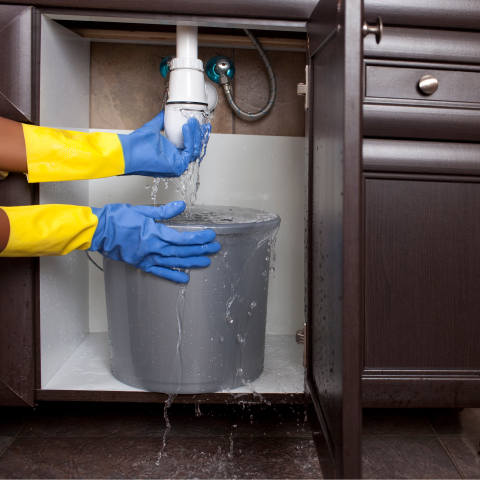
If the flooding is from a plumbing failure rather than groundwater, shut off the main water supply. For groundwater flooding caused by sump pump failure, attempt to identify and correct the pump issue. Sometimes the solution is as simple as un-jamming a stuck float switch or resetting a tripped circuit breaker. If the pump has completely failed, a portable utility pump from a hardware store can provide temporary water removal while you arrange for replacement.
Document the Damage Thoroughly
Before moving any belongings or beginning cleanup, photograph and video record the flooding from multiple angles. Document the water line height on walls, the condition of affected belongings, and any visible damage to structure or systems. This documentation is essential for insurance claims and should include timestamps showing when the damage was discovered and the progression of any cleanup efforts.
Call Professional Restoration Immediately
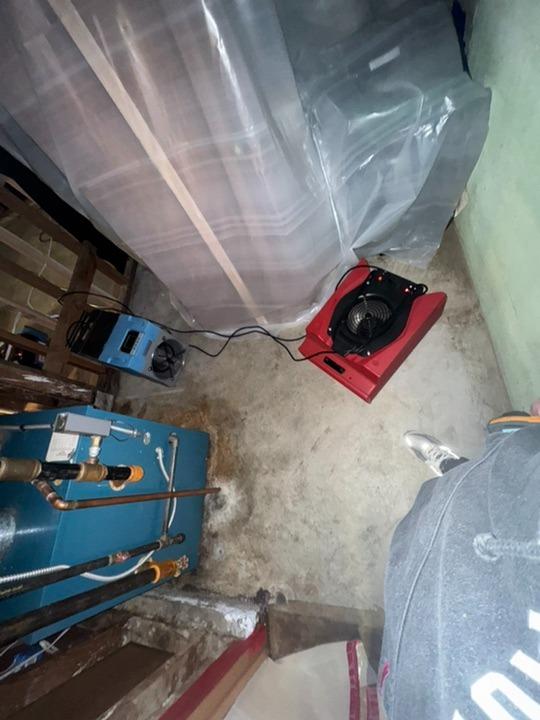
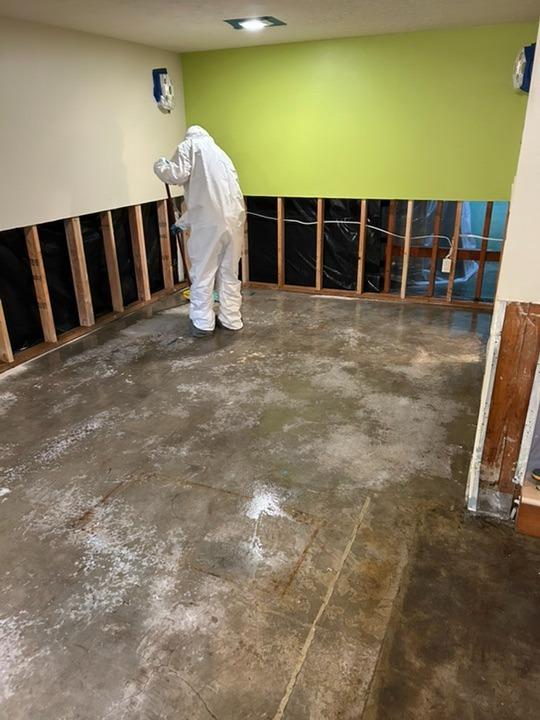
Basement flood damage requires professional restoration even when the water appears clean. Groundwater that enters through the foundation carries soil bacteria, dissolved minerals, and potentially sewage if the municipal system is overloaded. Carpet, carpet padding, drywall below the water line, and any insulation that contacted floodwater typically must be removed. Professional water extraction equipment removes water far more effectively than consumer shop vacuums, and industrial drying equipment prevents the secondary mold growth that begins within 24 to 48 hours of a water event.
File Your Insurance Claim Promptly
Contact your insurance provider as soon as possible after a sump pump failure flood. Standard homeowner policies in Colorado vary in their coverage of sump pump failure and groundwater intrusion. Many policies require a specific sump pump failure endorsement for coverage. Review your policy carefully and be prepared to provide the documentation you collected. NuBilt works directly with insurance adjusters throughout the Denver metro area and can help ensure your claim accurately reflects the full scope of damage.
Long-Term Recovery After Basement Flooding
Professional restoration following a sump pump failure flood involves more than just drying out the basement. The process includes thorough water extraction, demolition of unsalvageable materials, antimicrobial treatment of structural components, industrial drying and dehumidification, and eventual reconstruction of removed materials. The entire process typically takes one to three weeks depending on the extent of flooding and the materials involved.
During the restoration process, address the sump pump system that failed. This is the time to upgrade to a more capable pump, install a battery backup if you did not have one, and correct any installation issues that contributed to the failure. Investing in better basement flood protection while the space is already under construction is far more cost-effective than retrofitting later.
Trust Denver's Restoration Experts
NuBilt Restoration has helped hundreds of Denver homeowners recover from basement flooding caused by sump pump failures. Our IICRC-certified technicians respond 24/7 with professional water extraction equipment, industrial drying systems, and the expertise to restore your basement completely. Call (303) 368-4688 for emergency flood response anywhere in the Denver metro area.
Need Professional Help?
Our team is available 24/7 for emergencies. Call now for immediate assistance.
Frequently Asked Questions
Most residential sump pumps last 7 to 10 years. If your pump is approaching or past this age, proactive replacement is recommended even if it still seems to be working. Pumps in high-activity basins with frequent cycling may need replacement sooner. Annual professional inspections can identify declining performance before a complete failure occurs.
Standard homeowner policies in Colorado often do not cover sump pump failure or groundwater intrusion by default. Many insurers offer a sump pump failure endorsement or rider that adds this coverage for an additional premium. Review your policy carefully and consider adding this endorsement, especially if your home has an active sump pump system.
Modern battery backup sump pump systems typically run 8 to 24 hours during a power outage depending on battery capacity and how frequently the pump cycles. Homes with heavy groundwater pressure will drain the battery faster than homes with intermittent pump cycling. Combination systems with both battery and water-powered backup provide the longest protection.
Ensure electrical safety first. Never enter standing water without confirming power to the affected area is disconnected. Once safe, document the damage with photos and video before touching anything, then call a professional restoration company and your insurance provider. Avoid using household fans alone, as professional equipment is needed for proper water extraction and drying.