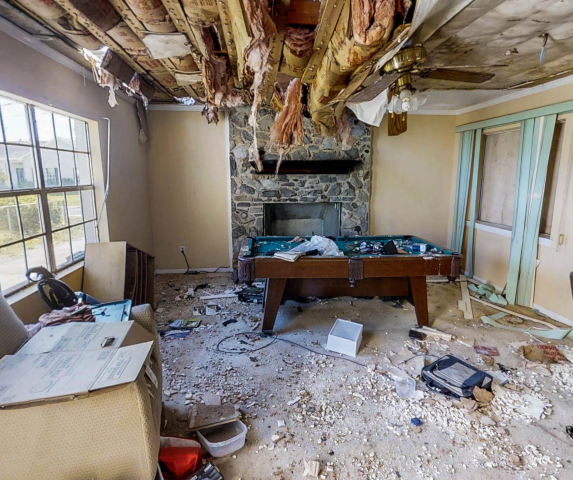
Why Is Fast Storm Damage Restoration Critical in Denver's Climate?
Denver's unpredictable weather makes fast storm damage restoration essential. Learn why the first 24 to 48 hours are critical and how rapid response prevents costly secondary damage.
Why Response Time Matters After Storm Damage in Denver
Denver's unpredictable weather creates urgent risks for property owners. From violent hailstorms and powerful wind events to heavy snow loads and flash flooding, the Denver experiences severe weather that can damage properties quickly and without warning. When storm damage occurs, timing plays a major role in how severe the final outcome becomes. The difference between prompt restoration and delayed action can mean thousands of dollars in additional damage and weeks of extended disruption.
The Critical First 24 to 48 Hours
The window immediately following storm damage is when the greatest opportunity exists to limit secondary damage. Water that enters through a damaged roof or broken window can saturate structural materials within hours. Drywall, insulation, wood framing, and flooring all absorb moisture rapidly, and once saturated, these materials become breeding grounds for mold, which can begin developing within 24 to 48 hours in favorable conditions.
Quick stabilization through emergency roof tarping, window boarding, and water extraction prevents additional moisture intrusion and buys valuable time for the full restoration process. Every hour of delay allows damage to spread deeper into the building envelope, expanding the scope and cost of repairs.
Denver's Unique Climate Challenges
Denver's geographic location and elevation create weather conditions that amplify storm damage risks in ways that many property owners do not fully appreciate.
Hailstorms and Roof Vulnerability
The Denver region sits in what meteorologists call Tornado Alley, experiencing some of the most frequent and severe hailstorms in North America. Hailstones ranging from golf ball to baseball size strike with enough force to fracture asphalt shingles, dent metal roofing, and crack skylights. Even hail that does not create visible holes often damages the protective granule layer on shingles and weakens the underlying material.
This weakened roofing becomes vulnerable to subsequent rain, snow, and wind events. Water infiltration through compromised shingles may not become apparent until significant interior damage has already occurred. Fast professional inspection and repair after hail events prevents this cascading damage pattern.
High Winds and Structural Exposure
Denver regularly experiences wind events with gusts exceeding 50 miles per hour, particularly during spring and fall transitional seasons. These winds lift roofing materials, loosen siding panels, damage gutters, and can drive rain horizontally into gaps that would normally be weather-tight.
Wind damage creates immediate pathways for water intrusion. When siding is loosened or roofing is lifted, the insulation and structural materials behind those protective layers are exposed to moisture and temperature extremes. Without prompt repair, these openings allow ongoing damage that worsens with each subsequent weather event.
Freeze-Thaw Cycles and Expanding Damage
Denver's climate features dramatic temperature swings, often cycling above and below freezing multiple times within a single week during winter and spring months. Water that enters cracks or gaps created by storm damage can freeze and expand, physically enlarging the openings and creating new pathways for moisture intrusion.
This freeze-thaw cycle accelerates the deterioration of already-damaged materials. A small crack in a foundation, a hairline fracture in a shingle, or a loosened piece of flashing becomes progressively worse with each freeze-thaw cycle. Repairing damage before cold weather compounds it is significantly less expensive than addressing the expanded damage later.
How Secondary Damage Develops
Understanding secondary damage helps Denver property owners appreciate why speed matters. Storm damage itself is the primary damage, but the real financial impact often comes from what happens afterward when repairs are delayed.
Hidden Water Damage
Water that enters through storm-damaged roofing or siding does not stay in one place. It follows gravity, wicking along structural members, spreading through insulation, and pooling in unexpected locations. Behind walls, above ceilings, and beneath flooring, moisture accumulates in areas that are invisible without professional detection equipment.
This hidden moisture creates conditions for wood rot, steel corrosion, and adhesive failure in flooring and wall systems. By the time visible signs appear such as water stains, warped flooring, or peeling paint, the underlying damage is already extensive.
Mold Growth in Concealed Spaces
Mold thrives in damp, dark environments with organic food sources, which describes the interior of most wall cavities and attic spaces. When storm damage introduces moisture into these concealed areas, mold colonies can establish themselves within 24 to 48 hours. Once established, mold spreads rapidly and becomes increasingly difficult and expensive to remediate.
Beyond the property damage, mold growth affects indoor air quality and can create health concerns for occupants, particularly those with respiratory conditions or compromised immune systems. Preventing mold through rapid moisture control is far more effective and less costly than remediating an established infestation.
Cost Control Through Speed
Fast storm damage restoration is not just about preventing additional damage. It directly controls costs in several important ways.
Quick response limits the total volume of materials that need replacement. Drywall that is dried within 24 hours may be salvageable, while drywall that remains wet for several days must be replaced entirely. The same principle applies to flooring, insulation, structural wood, and many other building materials.
Faster restoration also means shorter labor timelines. A project that addresses damage before it spreads requires fewer hours of work across every trade involved. Demolition, drying, cleaning, and reconstruction all take less time when the affected area is smaller.
Additionally, properties that are stabilized quickly often require less temporary housing or business interruption time, reducing the indirect costs that accompany storm damage.
The Professional Restoration Process for Storm Damage
Professional storm damage restoration follows a structured process designed to address damage efficiently and prevent secondary issues.
Comprehensive Inspection and Assessment
The first step is a thorough evaluation of all storm damage, including areas that may not be immediately visible. Professional inspectors examine roofing systems, siding, windows, foundations, and interior spaces using visual inspection, moisture meters, and thermal imaging to identify both obvious and hidden damage.
Emergency Mitigation
Immediate protective measures prevent additional damage while the full restoration plan is developed. This includes emergency tarping of damaged roofs, boarding broken windows and doors, extracting standing water, and deploying drying equipment. These measures stabilize the property and create the conditions needed for successful restoration.
Professional Drying and Dehumidification
Industrial-grade drying equipment including air movers, dehumidifiers, and specialized drying systems target moisture in structural materials, wall cavities, and flooring assemblies. Daily monitoring with calibrated moisture meters ensures that drying progresses on schedule and that all materials reach safe moisture levels before reconstruction begins.
Repairs and Reconstruction
Once the property is stabilized and dried, permanent repairs restore the building to its pre-storm condition. This may include roof replacement, siding repair, window installation, drywall replacement, flooring installation, and finish work. All repairs meet current Denver building codes and are designed to withstand future weather events.
Why Local Expertise Matters for Denver Storm Restoration
Storm damage restoration in Denver requires specific knowledge that goes beyond general contracting skills. Local restoration companies understand Denver's building codes and permitting requirements, the construction methods common in different Denver neighborhoods, weather patterns and seasonal timing that affect restoration strategies, and the specific types of storm damage most common in the Denver.
This local expertise translates to more accurate assessments, more effective repair strategies, and faster project completion. It also helps with insurance coordination, as experienced local companies understand what documentation Colorado insurers require and how to present claims effectively.
Need Professional Help?
Our team is available 24/7 for emergencies. Call now for immediate assistance.
Frequently Asked Questions
Restoration should begin as soon as it is safe after the storm. Early action within the first 24 to 48 hours prevents secondary damage including mold growth, wood rot, and expanding water damage.
Denver's combination of severe hailstorms, high winds, dramatic temperature swings, and freeze-thaw cycles accelerates material deterioration and moisture problems, making prompt restoration especially critical.
Yes. Mold can begin growing within 24 to 48 hours if moisture from storm damage is not properly removed. Concealed areas like wall cavities and attic spaces are particularly susceptible.
Yes. Timely restoration with proper documentation supports smoother and more successful insurance claims. Delayed action can lead to claim complications if insurers determine that additional damage resulted from failure to mitigate promptly.