Defensible Space: The 3 Zones That Protect Your Colorado Home from Wildfire
Most homes that burn in a wildfire are ignited by embers, not the flame front. Defensible space is how you stop those embers — and it works in three concentric zones that start at your walls.
What Defensible Space Actually Means
Defensible space is the buffer you create between a building and the grass, shrubs, and trees around it. In Colorado, the State Forest Service defines it as three concentric zones that work outward from the structure. The goal is not to clear-cut your property — it is to interrupt the fuel pathways that let a fire reach the walls and to give firefighters a safe place to work.
Here is the part most people miss: in a wildfire, the majority of homes ignite from wind-blown embers, not from a wall of flame. Embers can travel more than a mile ahead of the fire front, landing in gutters, mulch beds, and under decks hours before the fire itself arrives. Defensible space is built around stopping those ignitions, and it starts in the five feet closest to your home.
Zone 1: The Home Ignition Zone (0–5 Feet)
This is the single most important five feet on your property, and it is the zone homeowners most often overlook. Everything here should be non-combustible.
Replace bark or wood-chip mulch against the foundation with gravel, decomposed granite, or bare soil. Clear dead leaves and pine needles out of gutters, off the roof, and away from the base of the walls. Move firewood, lumber, and propane tanks well away from the structure. Screen every vent — attic, crawl space, and foundation — with 1/16-inch corrosion-resistant metal mesh, because an unscreened vent is a direct pathway for embers into the attic, the most vulnerable part of the house.
If you only have one weekend before fire season, spend it here.
Zone 2: Lean, Clean & Green (5–30 Feet)
The next zone is about breaking up the fuel so fire cannot build momentum as it approaches. Mow grass and weeds to four inches or shorter and keep them that way through the season. Space shrubs so there is at least three feet of horizontal gap between plants, and remove the lower branches of trees six to ten feet off the ground so a ground fire cannot climb into the canopy.
No two tree canopies should be touching in this zone, and none should overhang the roof. Keep plants in this zone well watered — hydrated, living plants resist ignition far better than drought-stressed ones. Ornamental grasses, which are among the most flammable landscape plants available, should be removed entirely from within 30 feet of the home.
Zone 3: Fuel Reduction (30–100 Feet)
The outermost zone is about slowing the fire down and reducing the radiant heat that reaches your home before the fire even arrives. Thin trees so their canopies sit roughly 30 feet apart, and remove all dead, diseased, or beetle-killed timber — standing dead trees burn hot and throw large embers.
Clear ladder fuels, the brush and low limbs that let a ground fire climb into the treetops, and haul off any slash piles, which can smolder for days and re-ignite in a wind event. On slopes, increase the spacing, because fire moves faster and hotter uphill.
A Note on Colorado's Highest-Risk Counties
Boulder, Larimer, Grand, Jefferson, El Paso, and Douglas counties have seen the most destructive fires in recent state history — the Marshall Fire, Cameron Peak, East Troublesome, and Black Forest among them. If your property sits in one of these counties or anywhere in the wildland-urban interface, treat defensible space as an annual maintenance task, not a one-time project.
Turn This Into a Checklist
Reading about defensible space is one thing; walking your property with a checklist is another. NuBilt's free Wildfire Preparedness Kit includes a 65-point home protection audit that takes you zone by zone, with a scorecard to show exactly where you stand and what to tackle next. It is free, requires no email, and is built for print so you can carry it around the yard.
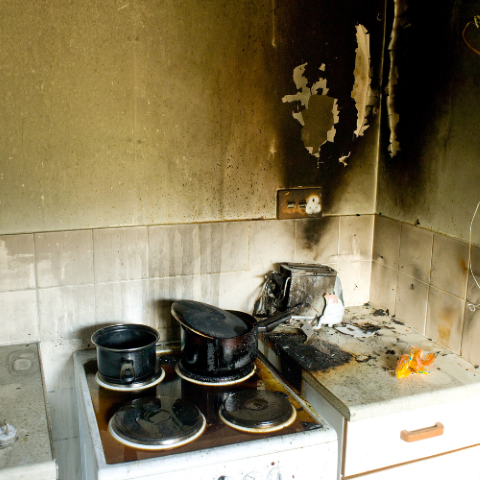
If your home has already been touched by fire or smoke, NuBilt's IICRC-certified crews respond 24/7 across the Denver metro and Front Range, and we work directly with your insurance carrier.
Need Professional Help?
Our team is available 24/7 for emergencies. Call now for immediate assistance.
Frequently Asked Questions
The Colorado State Forest Service recommends defensible space extending at least 100 feet from structures, organized into three zones: 0–5 feet (non-combustible), 5–30 feet (lean, clean, and green), and 30–100 feet (fuel reduction). Some counties and insurers have specific requirements, so check with your local Authority Having Jurisdiction.
The 0–5 foot Home Ignition Zone. Most homes ignite from embers that land close to or on the structure, so keeping the first five feet non-combustible — no bark mulch, clean gutters, screened vents — delivers the highest protection for the lowest cost.
No. Defensible space is about spacing and maintenance, not clear-cutting. The goal is to break up continuous fuel — space canopies, remove dead material and ladder fuels, and keep the immediate zone clear — while keeping healthy, well-spaced, hydrated landscaping.